THE ADVENTURE COLLECTIVE® · Independent discovery and booking for outdoor travel

Wander Tropea’s cliff-top alleys with a local guide and taste iconic Calabrian flavors—sweet red onion, spicy nduja and fresh cheeses—while stopping at historic viewpoints like Santa Maria dell’Isola. This three-hour walking tour combines culinary sampling with cultural context and practical local tips.
Wander Tropea’s cliff-top alleys with a local guide and taste iconic Calabrian flavors—sweet red onion, spicy nduja and fresh cheeses—while stopping at historic viewpoints like Santa Maria dell’Isola. This three-hour walking tour combines culinary sampling with cultural context and practical local tips.
The morning sun slides across the ocher facades of Tropea and the sea answers with a flat, metallic sheen—this is a town that maps its day to light and appetite. You meet at Largo San Michele, where scooter bells punctuate the air and a guide folds a printed list of tastings into a palm. Within minutes you’re moving through alleys that angle toward the cliff, merchants already arranging trays of cheeses, smoked sardines and wedges of the town’s famous red onion.
Verified experiences and guided adventures in the surrounding area.
Operated by CST Tropea · Tropea, Calabria
The morning sun slides across the ocher facades of Tropea and the sea answers with a flat, metallic sheen—this is a town that maps its day to light and appetite. You meet at Largo San Michele, where scooter bells punctuate the air and a guide folds a printed list of tastings into a palm. Within minutes you’re moving through alleys that angle toward the cliff, merchants already arranging trays of cheeses, smoked sardines and wedges of the town’s famous red onion.
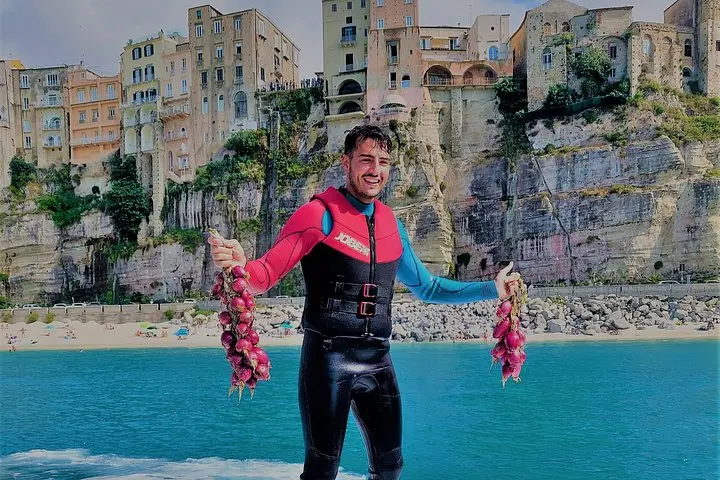
This is more than a tasting; it’s an urban walk that ties food to place. Tropea sits on a limestone bluff above the Tyrrhenian Sea and the geology insists on views: steep drops, strata exposed where winters have cleaved the rock. The local red onion—sweet, papery, and purple—has been farmed on these terraces for generations, its flavor shaped by calcareous soils and maritime breezes. Nduja, the fiery spreadable salami you’ll sample, traces its roots to nearby Spilinga and to a history of preserving pork in a region where winters once demanded hard-readiness.
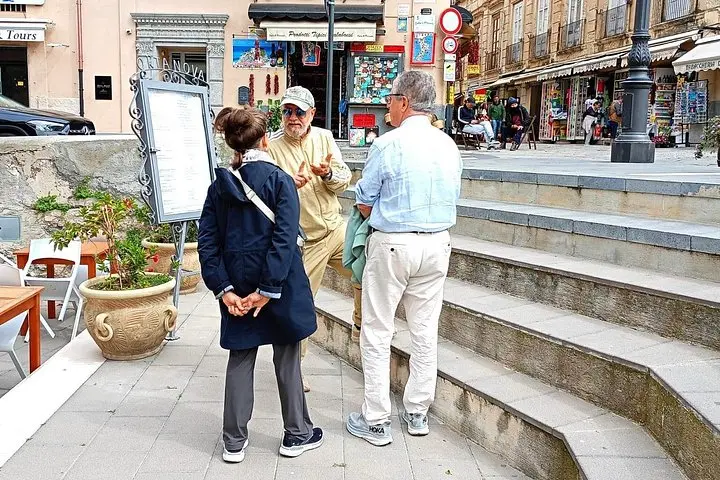
Along the route, your guide layers in history: Norman architecture in the cathedral’s stonework, seafood markets that follow routes older than the modern street grid, and the church of Santa Maria dell’Isola perched on its rocky islet like a watchful guest. Vendors here practice a public craft—handing over samples with a gesture that includes a story about origin, season and often a joke. The walking pace is unhurried; the tour is designed to show Tropea’s key viewpoints and give palate-friendly bites rather than a marathon of calories.
Practicality governs the best experience. The meeting point is Largo San Michele 8; tours run roughly three hours and cover 1–2 kilometers of mainly paved streets and steps. The itinerary includes multiple tasting stops—cheeses, cured meats, onion specialties and a seaside aperitif—and is wheelchair- and stroller-accessible in large parts, though expect uneven stone and short flights of stairs near viewpoints. Bring cash for extra purchases, wear shoes with good treads for short cobbled stretches, and plan this tour for late afternoon if you want the light to push the cliffs golden.
This is a food-and-people experience: flavors dare you to decide what’s local and what’s universal. With a sensible pace, informed stories and a route that stitches past to present, the Tropea street-food tour is a practical way to eat into the character of Calabria.
The tour meets at the operator’s office in Largo San Michele 8, opposite the Parapharmacy "San Michele"—arrive 10 minutes early.
Much of the route is wheelchair and stroller accessible, but some viewpoints include steps; contact the operator to confirm accessibility for specific needs.
Yes—inform the operator when booking so the guide can arrange alternative tastings where possible.
Tours are typically in Italian and English—confirm at booking for other languages or private group options.
Expect multiple small tastings of local cheeses, cured meats (including nduja), red onion specialties and a final aperitif—enough for a light meal.
Tipping isn’t mandatory but a small tip for an attentive guide is appreciated; €5–€10 per person is common.
CST Tropea operates guided outdoor trips and adventures with an emphasis on safety, stewardship, and memorable experiences.
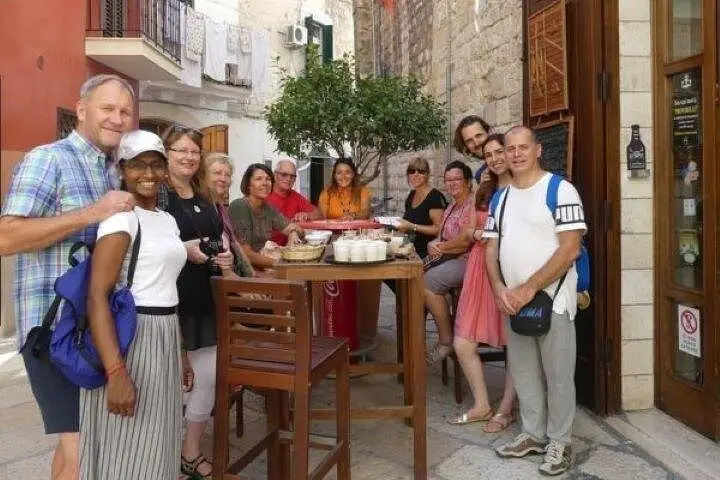
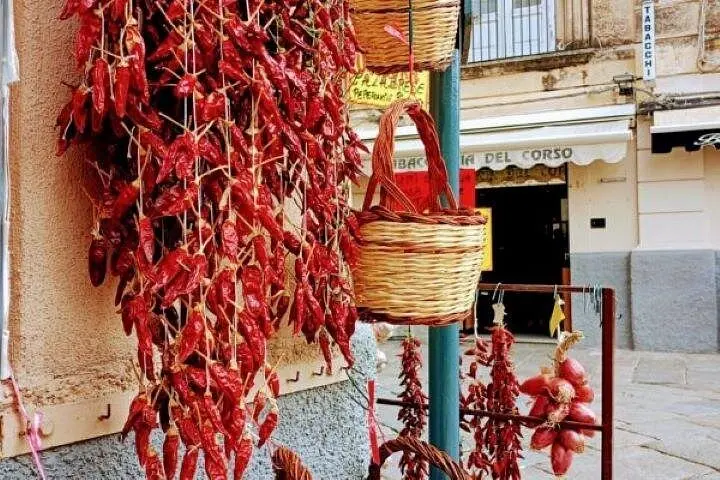
The morning sun slides across the ocher facades of Tropea and the sea answers with a flat, metallic sheen—this is a town that maps its day to light and appetite. You meet at Largo San Michele, where scooter bells punctuate the air and a guide folds a printed list of tastings into a palm. Within minutes you’re moving through alleys that angle toward the cliff, merchants already arranging trays of cheeses, smoked sardines and wedges of the town’s famous red onion.
The morning sun slides across the ocher facades of Tropea and the sea answers with a flat, metallic sheen—this is a town that maps its day to light and appetite. You meet at Largo San Michele, where scooter bells punctuate the air and a guide folds a printed list of tastings into a palm. Within minutes you’re moving through alleys that angle toward the cliff, merchants already arranging trays of cheeses, smoked sardines and wedges of the town’s famous red onion.
This is more than a tasting; it’s an urban walk that ties food to place. Tropea sits on a limestone bluff above the Tyrrhenian Sea and the geology insists on views: steep drops, strata exposed where winters have cleaved the rock. The local red onion—sweet, papery, and purple—has been farmed on these terraces for generations, its flavor shaped by calcareous soils and maritime breezes. Nduja, the fiery spreadable salami you’ll sample, traces its roots to nearby Spilinga and to a history of preserving pork in a region where winters once demanded hard-readiness.
Along the route, your guide layers in history: Norman architecture in the cathedral’s stonework, seafood markets that follow routes older than the modern street grid, and the church of Santa Maria dell’Isola perched on its rocky islet like a watchful guest. Vendors here practice a public craft—handing over samples with a gesture that includes a story about origin, season and often a joke. The walking pace is unhurried; the tour is designed to show Tropea’s key viewpoints and give palate-friendly bites rather than a marathon of calories.
Practicality governs the best experience. The meeting point is Largo San Michele 8; tours run roughly three hours and cover 1–2 kilometers of mainly paved streets and steps. The itinerary includes multiple tasting stops—cheeses, cured meats, onion specialties and a seaside aperitif—and is wheelchair- and stroller-accessible in large parts, though expect uneven stone and short flights of stairs near viewpoints. Bring cash for extra purchases, wear shoes with good treads for short cobbled stretches, and plan this tour for late afternoon if you want the light to push the cliffs golden.
This is a food-and-people experience: flavors dare you to decide what’s local and what’s universal. With a sensible pace, informed stories and a route that stitches past to present, the Tropea street-food tour is a practical way to eat into the character of Calabria.