THE ADVENTURE COLLECTIVE® · Independent discovery and booking for outdoor travel

Spend a private day chasing wild yamame and iwana in the remote Nishimera mountains outside Miyazaki City. Small groups, local guides, and hidden streams give anglers the best chance for clean water, quiet fishing, and a true taste of rural Japan.
Spend a private day chasing wild yamame and iwana in the remote Nishimera mountains outside Miyazaki City. Small groups, local guides, and hidden streams give anglers the best chance for clean water, quiet fishing, and a true taste of rural Japan.
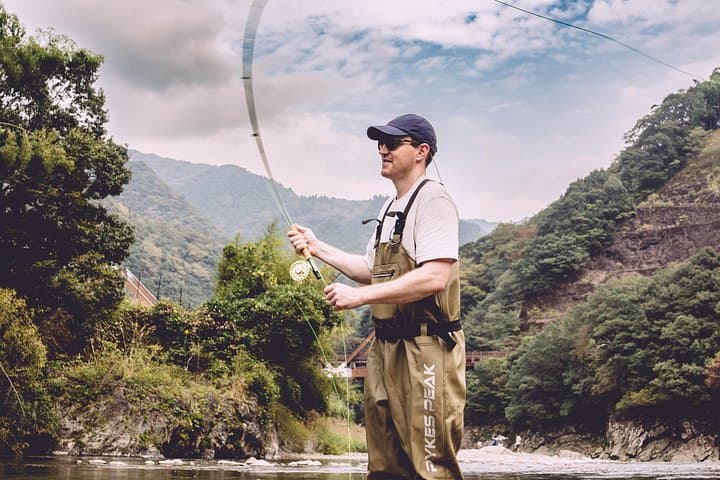
A gravel road peels away from the coastal highway and climbs into green hills that feel older than maps. By the time you leave the last village, the air has thinned and the road narrows to a single lane. Rivers appear as bright veins in the valley, daring you to follow them upstream. On a private day trip from Miyazaki City, three guests and a local guide slip into these streams in search of yamame, amago, iwana and the occasional rainbow trout — fish that read the water like a second language.
Verified experiences and guided adventures in the surrounding area.
Operated by Miyazaki Tours · Nishimera, Miyazaki Prefecture
A gravel road peels away from the coastal highway and climbs into green hills that feel older than maps. By the time you leave the last village, the air has thinned and the road narrows to a single lane. Rivers appear as bright veins in the valley, daring you to follow them upstream. On a private day trip from Miyazaki City, three guests and a local guide slip into these streams in search of yamame, amago, iwana and the occasional rainbow trout — fish that read the water like a second language.
This corner of Kyushu is shaped by tectonics and time: folded volcanic ridges give way to steep ravines, granite beds polished smooth by winters of melt and spring storms. The fishing grounds carve through terraced rice fields and cedar plantations, where villagers have depended on mountain streams for generations. At midday you’ll stop at a family-run restaurant down a narrow lane for a simple bowl of ramen — a reminder that the human rhythms here are anchored in the same landscape you’re casting into.
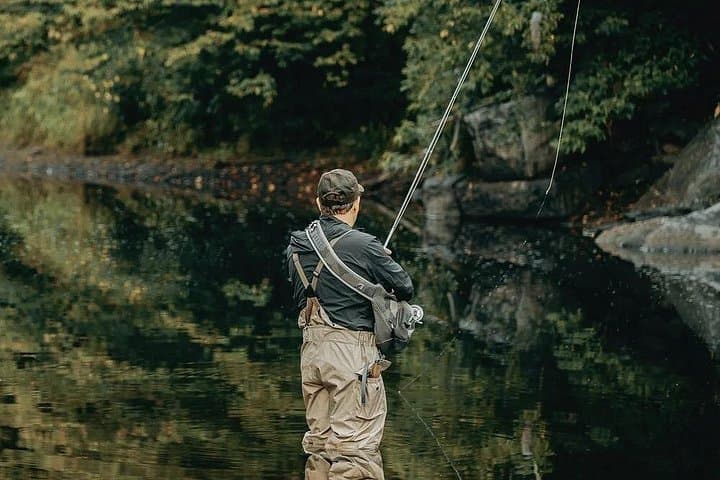
Fishing is practical art here. Guides read seams, coax trout with the right fly or spinner, and teach beginners how to match current and drift. The trip is deliberately small — one to three guests — to reduce pressure on fish and preserve the quiet flow of these streams. A day license is included, and guides emphasize local rules and catch etiquette: keep it light, make selective takes, and consider catch-and-release to keep populations healthy.
For planning: expect an eight-hour day with roughly two hours’ driving each way from Miyazaki City. Waders are available from the operator; in summer many anglers stay onshore or use lightweight waders. Wear grippy footwear and layers — mountain weather shifts fast. Bring insect repellent, a brimmed hat, polarized sunglasses for spotting fish, and snacks with electrolytes. Hydration is critical; the mountains will not announce their effort, they simply push you upriver.
This trip is ideal for anglers who want focused instruction without the crowds: fly-fishermen honing upstream mends, spinners chasing bright strikes, or newcomers learning the basics. The rewards are practical and immediate — a perfect drift, a flash of silver beneath riffles, a quiet lunch in a village that remembers how to welcome strangers.
If you go: respect village customs, pack out everything you bring in, and listen to your guide — they know which pools to leave alone. In return, the rivers offer a day of thoughtful pursuit, scenic drives, and a taste of rural Japan few visitors see.
No — the operator provides fly and spinning tackle, though experienced anglers are welcome to bring personal rods and preferred flies or lures.
No — guides teach basics for beginners, but experienced anglers will appreciate access to secluded pools and tactical coaching.
Expect about two hours each way depending on weather and exact meeting point; the route is scenic but winding.
Waders are available and shoe size is requested; they’re optional in summer when many fish from banks or shallow runs.
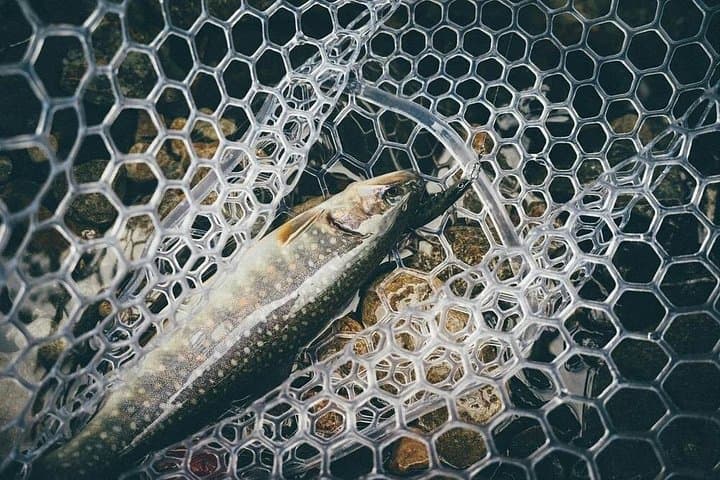
Common targets are yamame (Cherry trout), amago, iwana (char), and occasional rainbow trout in crystal-clear streams.
No — lunch is not included but your guide will usually stop at a family-run restaurant where you can enjoy local ramen.
Miyazaki Tours operates guided outdoor trips and adventures with an emphasis on safety, stewardship, and memorable experiences.

A gravel road peels away from the coastal highway and climbs into green hills that feel older than maps. By the time you leave the last village, the air has thinned and the road narrows to a single lane. Rivers appear as bright veins in the valley, daring you to follow them upstream. On a private day trip from Miyazaki City, three guests and a local guide slip into these streams in search of yamame, amago, iwana and the occasional rainbow trout — fish that read the water like a second language.
A gravel road peels away from the coastal highway and climbs into green hills that feel older than maps. By the time you leave the last village, the air has thinned and the road narrows to a single lane. Rivers appear as bright veins in the valley, daring you to follow them upstream. On a private day trip from Miyazaki City, three guests and a local guide slip into these streams in search of yamame, amago, iwana and the occasional rainbow trout — fish that read the water like a second language.
This corner of Kyushu is shaped by tectonics and time: folded volcanic ridges give way to steep ravines, granite beds polished smooth by winters of melt and spring storms. The fishing grounds carve through terraced rice fields and cedar plantations, where villagers have depended on mountain streams for generations. At midday you’ll stop at a family-run restaurant down a narrow lane for a simple bowl of ramen — a reminder that the human rhythms here are anchored in the same landscape you’re casting into.
Fishing is practical art here. Guides read seams, coax trout with the right fly or spinner, and teach beginners how to match current and drift. The trip is deliberately small — one to three guests — to reduce pressure on fish and preserve the quiet flow of these streams. A day license is included, and guides emphasize local rules and catch etiquette: keep it light, make selective takes, and consider catch-and-release to keep populations healthy.
For planning: expect an eight-hour day with roughly two hours’ driving each way from Miyazaki City. Waders are available from the operator; in summer many anglers stay onshore or use lightweight waders. Wear grippy footwear and layers — mountain weather shifts fast. Bring insect repellent, a brimmed hat, polarized sunglasses for spotting fish, and snacks with electrolytes. Hydration is critical; the mountains will not announce their effort, they simply push you upriver.
This trip is ideal for anglers who want focused instruction without the crowds: fly-fishermen honing upstream mends, spinners chasing bright strikes, or newcomers learning the basics. The rewards are practical and immediate — a perfect drift, a flash of silver beneath riffles, a quiet lunch in a village that remembers how to welcome strangers.
If you go: respect village customs, pack out everything you bring in, and listen to your guide — they know which pools to leave alone. In return, the rivers offer a day of thoughtful pursuit, scenic drives, and a taste of rural Japan few visitors see.