THE ADVENTURE COLLECTIVE® · Independent discovery and booking for outdoor travel

Walk Alfama, Mouraria and Chiado with a guide who links tiles, tinned fish shops and the Independence Palace to Portugal’s cultural roots. Expect hills, narrow lanes, custard tarts and local stories across a focused three-hour route.
Walk Alfama, Mouraria and Chiado with a guide who links tiles, tinned fish shops and the Independence Palace to Portugal’s cultural roots. Expect hills, narrow lanes, custard tarts and local stories across a focused three-hour route.
You step off the tram into a squeeze of sun and shadow: a narrow street in Alfama where laundry arcs like pennants and the stone underfoot has been smoothed by centuries of feet.
Verified experiences and guided adventures in the surrounding area.
Operated by Street Buddha · Lisbon, Lisboa
You step off the tram into a squeeze of sun and shadow: a narrow street in Alfama where laundry arcs like pennants and the stone underfoot has been smoothed by centuries of feet.
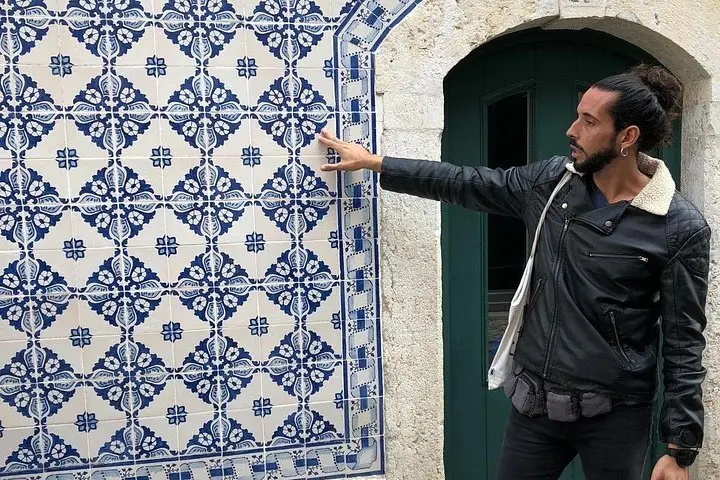
This three-hour walking tour threads Alfama, Mouraria and the flat arteries of Baixa–Chiado, putting Portugal’s layered identity on full display. Alfama’s street plan still follows its Moorish maze; house façades wear azulejo tiles that record tastes and trade. Mouraria carries the imprint of medieval migrants and fado’s rough edges, while Baixa and Chiado show Lisbon’s 18th-century Pombaline grid and a later café culture.
You’ll pass the Alentejo House, a compact cultural embassy for the southern plains—food, textiles and folk customs condensed into one courtyard—and a National conservas (tinned fish) shop where century-old brands line the shelves. The Independence Palace (Palácio da Independência) anchors a chapter of 17th-century politics: the 1640 conspiracy that reasserted Portugal’s sovereignty. Along the way expect small rituals—custard tarts still warm, a shot of ginjinha for courage—and guides who read architecture as a series of human stories.
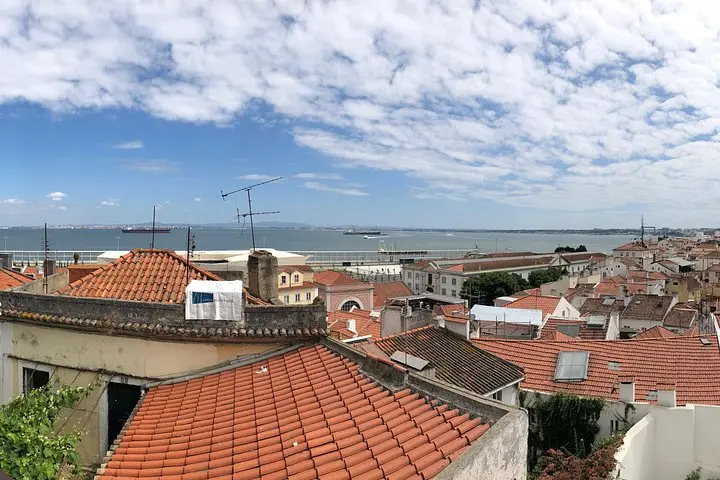
Practical edge: Lisbon is compact but steep. Expect cobbles, stairs and uneven pavement; good footwear and a light jacket handle sudden coastal winds. Hydrate, carry small change for cafés and tram rides, and time the walk for morning or late afternoon light to avoid the hottest hours. With modest fitness and curiosity, this route turns ruins and storefronts into an intimate primer on Portuguese life.
Meeting points are typically in central Baixa or Chiado; check your booking confirmation for the exact address and nearby public transport stops.
The tour is family-friendly but involves stairs and uneven surfaces; consider mobility limitations before booking and notify the operator of any concerns.
The itinerary typically includes a custard tart and a shot of ginjinha; other purchases at shops and cafés are pay-as-you-go.
Guides commonly offer tours in English and Portuguese; check the tour listing for other language options or private arrangements.
Street Buddha operates guided outdoor trips and adventures with an emphasis on safety, stewardship, and memorable experiences.
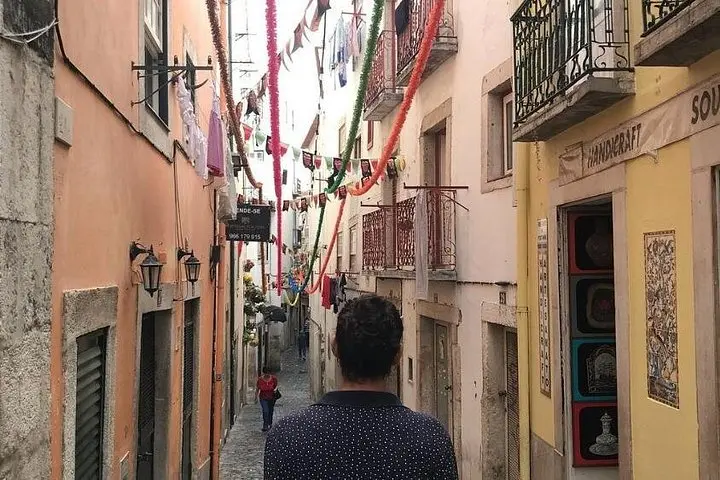
You step off the tram into a squeeze of sun and shadow: a narrow street in Alfama where laundry arcs like pennants and the stone underfoot has been smoothed by centuries of feet.
You step off the tram into a squeeze of sun and shadow: a narrow street in Alfama where laundry arcs like pennants and the stone underfoot has been smoothed by centuries of feet.
This three-hour walking tour threads Alfama, Mouraria and the flat arteries of Baixa–Chiado, putting Portugal’s layered identity on full display. Alfama’s street plan still follows its Moorish maze; house façades wear azulejo tiles that record tastes and trade. Mouraria carries the imprint of medieval migrants and fado’s rough edges, while Baixa and Chiado show Lisbon’s 18th-century Pombaline grid and a later café culture.
You’ll pass the Alentejo House, a compact cultural embassy for the southern plains—food, textiles and folk customs condensed into one courtyard—and a National conservas (tinned fish) shop where century-old brands line the shelves. The Independence Palace (Palácio da Independência) anchors a chapter of 17th-century politics: the 1640 conspiracy that reasserted Portugal’s sovereignty. Along the way expect small rituals—custard tarts still warm, a shot of ginjinha for courage—and guides who read architecture as a series of human stories.
Practical edge: Lisbon is compact but steep. Expect cobbles, stairs and uneven pavement; good footwear and a light jacket handle sudden coastal winds. Hydrate, carry small change for cafés and tram rides, and time the walk for morning or late afternoon light to avoid the hottest hours. With modest fitness and curiosity, this route turns ruins and storefronts into an intimate primer on Portuguese life.