THE ADVENTURE COLLECTIVE® · Independent discovery and booking for outdoor travel

Walk a 90–120 minute self-guided audio route from Great St Mary’s through Cambridge’s colleges and riverbanks, hearing the overlooked stories of women who reshaped science, education, and culture at the university.
Walk a 90–120 minute self-guided audio route from Great St Mary’s through Cambridge’s colleges and riverbanks, hearing the overlooked stories of women who reshaped science, education, and culture at the university.
Morning light slides across leaded windows as you stand outside Great St Mary’s, the medieval church that marks the university’s original footprint. The city hums with bicycles and bell-ringing; the River Cam moves with a deliberate current that has watched centuries of students come and go. This self-guided audio walk threads through college courts, laboratory doors, and riverbank lawns, tracing the women who pushed the precincts of Cambridge to change.
Verified experiences and guided adventures in the surrounding area.
Operated by VoiceMap Audio Tours · Cambridge, Cambridgeshire
Morning light slides across leaded windows as you stand outside Great St Mary’s, the medieval church that marks the university’s original footprint. The city hums with bicycles and bell-ringing; the River Cam moves with a deliberate current that has watched centuries of students come and go. This self-guided audio walk threads through college courts, laboratory doors, and riverbank lawns, tracing the women who pushed the precincts of Cambridge to change.
The route follows places of scientific breakthrough and political struggle: the Old Cavendish Laboratory where Dorothy Hodgkin practiced X-ray crystallography, a riverside tavern tied to the DNA story, and colleges that resisted admitting women until the late 20th century. Geology plays a quiet role—squared stone and Tudor brick speak to building phases from medieval to Victorian expansions—while the town’s intellectual culture is visible in plaques, college crests, and reading rooms.
Local insights arrive in voice and place: hear about hidden societies that met off-campus, the mathematical prodigies who tested gendered assumptions, and the campus votes that changed degree rights. The app’s GPS guides you between stops but leaves time to linger on a bridge or watch punters on the Cam.
Practical guidance: plan 90–120 minutes, wear comfortable shoes for cobbles and lawns, and carry a charged phone for the offline audio. Visit early to avoid tour groups and bring a rain layer—Cambridge weather shifts fast. Respect college opening hours and private courtyards; approach this walk as both history lesson and measured city ramble.
No—this is a self-guided mobile tour; you receive lifetime access via the app and can start when you reach the listed starting point.
Yes—paths are generally stroller-accessible, though some cobbled sections may be bumpy; infants and small children can use prams.
The audio directs you past key façades and courtyards but does not guarantee entry to colleges; check individual college opening times if you want to go inside.
Yes—the app provides offline audio and geodata so you can pause, explore at your pace, and resume where you left off.
VoiceMap Audio Tours operates guided outdoor trips and adventures with an emphasis on safety, stewardship, and memorable experiences.
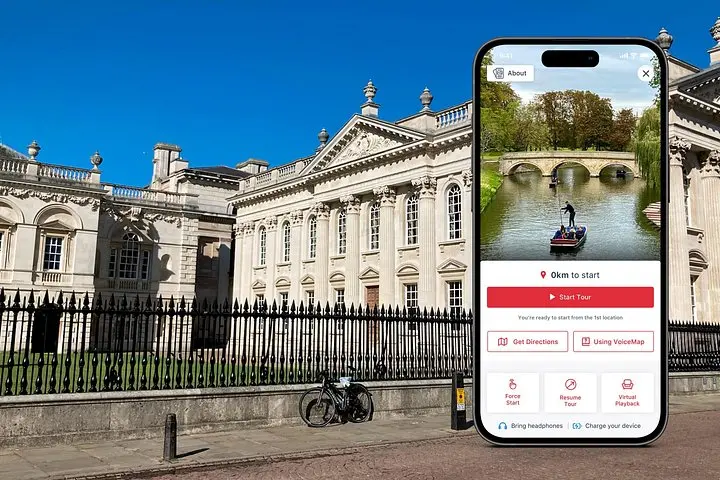
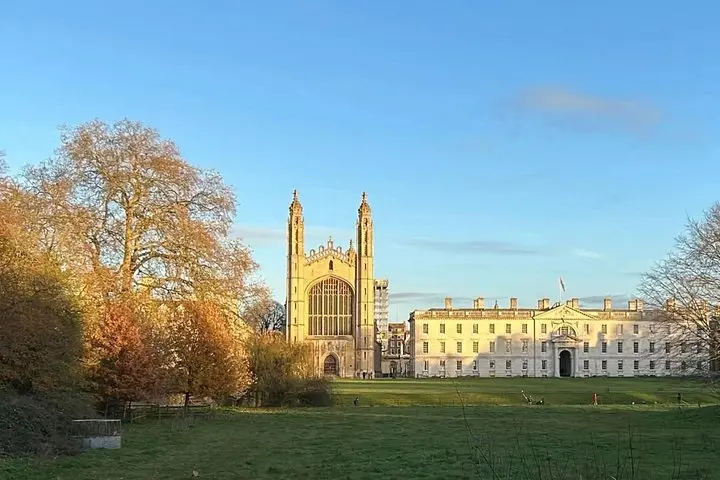
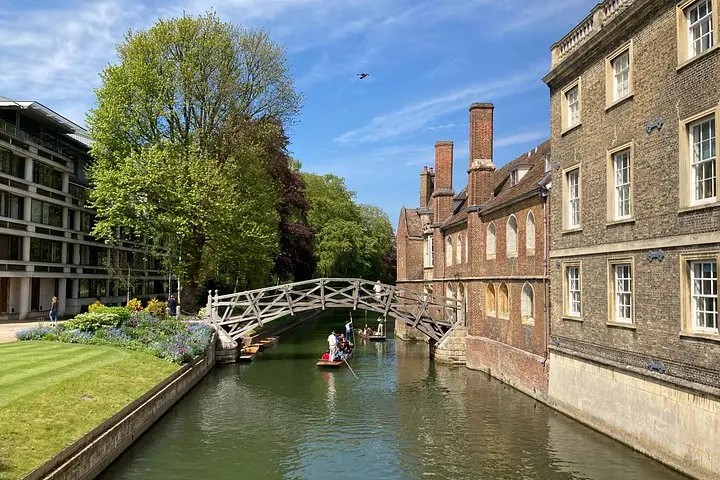
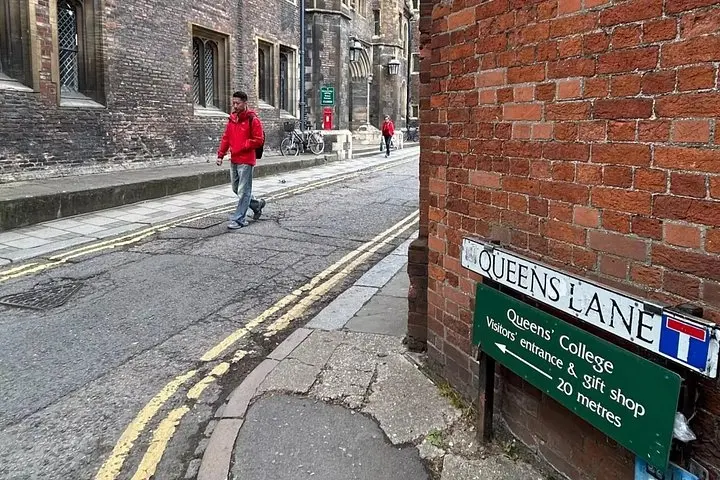
Morning light slides across leaded windows as you stand outside Great St Mary’s, the medieval church that marks the university’s original footprint. The city hums with bicycles and bell-ringing; the River Cam moves with a deliberate current that has watched centuries of students come and go. This self-guided audio walk threads through college courts, laboratory doors, and riverbank lawns, tracing the women who pushed the precincts of Cambridge to change.
Morning light slides across leaded windows as you stand outside Great St Mary’s, the medieval church that marks the university’s original footprint. The city hums with bicycles and bell-ringing; the River Cam moves with a deliberate current that has watched centuries of students come and go. This self-guided audio walk threads through college courts, laboratory doors, and riverbank lawns, tracing the women who pushed the precincts of Cambridge to change.
The route follows places of scientific breakthrough and political struggle: the Old Cavendish Laboratory where Dorothy Hodgkin practiced X-ray crystallography, a riverside tavern tied to the DNA story, and colleges that resisted admitting women until the late 20th century. Geology plays a quiet role—squared stone and Tudor brick speak to building phases from medieval to Victorian expansions—while the town’s intellectual culture is visible in plaques, college crests, and reading rooms.
Local insights arrive in voice and place: hear about hidden societies that met off-campus, the mathematical prodigies who tested gendered assumptions, and the campus votes that changed degree rights. The app’s GPS guides you between stops but leaves time to linger on a bridge or watch punters on the Cam.
Practical guidance: plan 90–120 minutes, wear comfortable shoes for cobbles and lawns, and carry a charged phone for the offline audio. Visit early to avoid tour groups and bring a rain layer—Cambridge weather shifts fast. Respect college opening hours and private courtyards; approach this walk as both history lesson and measured city ramble.