THE ADVENTURE COLLECTIVE® · Independent discovery and booking for outdoor travel

Walk Congo Square with a local guide to learn how African spiritual practice, music, and the life of Marie Laveau shaped New Orleans’ Voodoo traditions. This 90-minute tour mixes history, artifact explanation, and a visit to a living cultural center.
Walk Congo Square with a local guide to learn how African spiritual practice, music, and the life of Marie Laveau shaped New Orleans’ Voodoo traditions. This 90-minute tour mixes history, artifact explanation, and a visit to a living cultural center.
On a humid Tremé afternoon, the Archway to Armstrong Park frames the first steps of the tour — live oaks shade a square where drums once called people together and the Mississippi’s breath pushes warm air through the alleys.
Verified experiences and guided adventures in the surrounding area.
Operated by Tours by Foot New Orleans · New Orleans, Louisiana
On a humid Tremé afternoon, the Archway to Armstrong Park frames the first steps of the tour — live oaks shade a square where drums once called people together and the Mississippi’s breath pushes warm air through the alleys.
Congo Square is not a novelty; it is a lived place. Through the 18th and 19th centuries, enslaved West Africans gathered here on Sundays to play music, dance, and preserve spiritual practices that later threaded into New Orleans’ Voodoo traditions. Marie Laveau’s name surfaces early in the conversation — her life and legend shaped how local ritual and public memory intertwined.
The city’s geology matters: built on low-lying delta soils near the river, this landscape shaped settlement patterns, creole culture, and the way spiritual life adapted to floods and commerce. That practical backdrop explains why public squares, cemeteries, and riverfronts became centers of ritual and community.
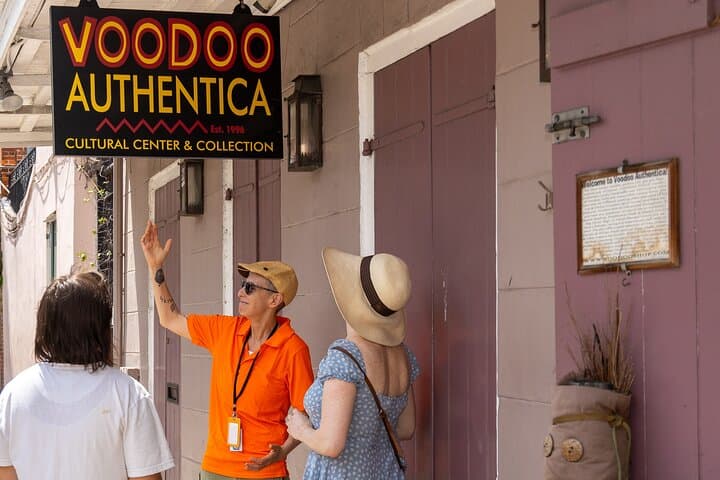
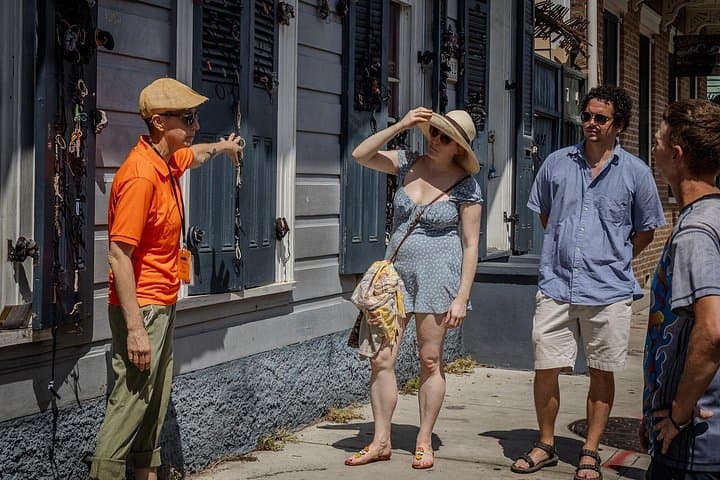
Your guide demonstrates artifacts — dolls, vevers, gris-gris — and explains uses and meanings without sensationalizing. The tour ends outside Voodoo Authentica, a working cultural center where practitioners sell locally made items and offer deeper context.
Plan for heat and humidity; the walk is short but paced with stops. Be respectful at sites tied to living religion: ask before photographing, don’t handle offerings, and follow the guide’s lead on ritual spaces. Public transit and parking are nearby, and the route is wheelchair accessible. Whether you come for history, music, or to learn about a continuing faith, the tour delivers context, practical guidance, and encounters with the city’s persistent cultural heart.
The guided walk runs about 90 minutes and includes stops at Congo Square and the Voodoo Authentica cultural center.
Yes — the route and meeting area at Armstrong Park are wheelchair accessible; contact the operator for specific accommodations.
No — due to local regulations and cemetery restrictions, this tour discusses Marie Laveau and cemetery history but does not enter St. Louis No. 1.
Yes — the tour ends outside Voodoo Authentica where locally made items and educational materials are available for purchase.
Tours by Foot New Orleans operates guided outdoor trips and adventures with an emphasis on safety, stewardship, and memorable experiences.


On a humid Tremé afternoon, the Archway to Armstrong Park frames the first steps of the tour — live oaks shade a square where drums once called people together and the Mississippi’s breath pushes warm air through the alleys.
On a humid Tremé afternoon, the Archway to Armstrong Park frames the first steps of the tour — live oaks shade a square where drums once called people together and the Mississippi’s breath pushes warm air through the alleys.
Congo Square is not a novelty; it is a lived place. Through the 18th and 19th centuries, enslaved West Africans gathered here on Sundays to play music, dance, and preserve spiritual practices that later threaded into New Orleans’ Voodoo traditions. Marie Laveau’s name surfaces early in the conversation — her life and legend shaped how local ritual and public memory intertwined.
The city’s geology matters: built on low-lying delta soils near the river, this landscape shaped settlement patterns, creole culture, and the way spiritual life adapted to floods and commerce. That practical backdrop explains why public squares, cemeteries, and riverfronts became centers of ritual and community.
Your guide demonstrates artifacts — dolls, vevers, gris-gris — and explains uses and meanings without sensationalizing. The tour ends outside Voodoo Authentica, a working cultural center where practitioners sell locally made items and offer deeper context.
Plan for heat and humidity; the walk is short but paced with stops. Be respectful at sites tied to living religion: ask before photographing, don’t handle offerings, and follow the guide’s lead on ritual spaces. Public transit and parking are nearby, and the route is wheelchair accessible. Whether you come for history, music, or to learn about a continuing faith, the tour delivers context, practical guidance, and encounters with the city’s persistent cultural heart.