THE ADVENTURE COLLECTIVE® · Independent discovery and booking for outdoor travel

Follow a professional trifolao and his dog into oak and hazel woods to seek Alba white and Langhe black truffles, then taste them in a focused private meal. This 90‑minute experience pairs hands‑on learning with regional gastronomy.
Follow a professional trifolao and his dog into oak and hazel woods to seek Alba white and Langhe black truffles, then taste them in a focused private meal. This 90‑minute experience pairs hands‑on learning with regional gastronomy.
You step off a narrow country lane into a stand of oak and hazel; the damp loam gives underfoot and the dog pulls quietly on its lead, nose to the leaf litter. The hunter—trifolao—moves with practiced patience, reading roots and scent the way a map-reader scans contours. For 90 minutes you follow their rhythm, learning how the Tuber magnatum pico (Alba white) and the darker Langhe tuber announce themselves to a trained animal.
Verified experiences and guided adventures in the surrounding area.
Operated by SipLanghe · Alba, Piedmont
You step off a narrow country lane into a stand of oak and hazel; the damp loam gives underfoot and the dog pulls quietly on its lead, nose to the leaf litter. The hunter—trifolao—moves with practiced patience, reading roots and scent the way a map-reader scans contours. For 90 minutes you follow their rhythm, learning how the Tuber magnatum pico (Alba white) and the darker Langhe tuber announce themselves to a trained animal.
This region of Piedmont has a farming history shaped by rolling vineyards and coppiced woods; truffle hunting sits at the intersection of agrarian practice and local gastronomy. Geologically, the calcareous-clay soils of the Langhe create the mineral backdrop truffles favor, while centuries of shepherding and chestnut coppicing helped maintain the mixed-canopy habitat that supports them.
Culturally, truffle hunts are a working tradition—dogs, land rights, and seasonal markets are part of rural life. Expect a practical introduction: how dogs signal finds, how truffles are unearthed gently, and why timing matters.
Practical guidance: wear waterproof shoes and long trousers for underbrush and wet soil; bring a light jacket—hills can be cool even in autumn. The private experience includes a tasting menu (starter, main, dessert) showcasing truffle on dishes like fried egg and tajarin; bottled water and coffee are provided. Note this activity is low-impact physically but requires respectful behavior around the dog and private land. If you have allergies or mobility concerns, disclose them when booking. Morning or late-afternoon hunts yield stronger scent activity; book well in advance during peak season (autumn and early winter) when Alba truffle activity is at its height.
The overall private activity lasts about 90 minutes—the walk with the trifolao followed by a tasting meal featuring truffle‑accented dishes.
Finds depend on season, soil conditions, and animal behavior; the experience focuses on education and tasting, with better odds during peak autumn and early winter.
The walk is short and low‑intensity, but terrain can be uneven; notify the operator about young children or mobility needs so they can advise or adapt the tour.
Hosts typically search for Alba white truffle (Tuber magnatum pico) and local black truffles of the Langhe, depending on season and site.
SipLanghe operates guided outdoor trips and adventures with an emphasis on safety, stewardship, and memorable experiences.
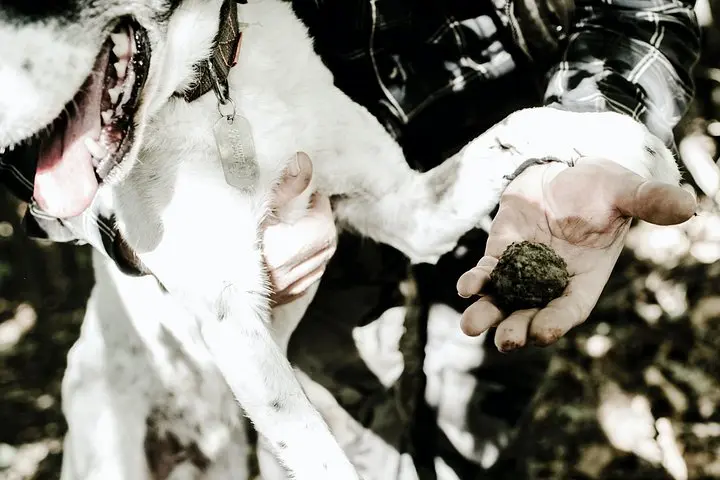
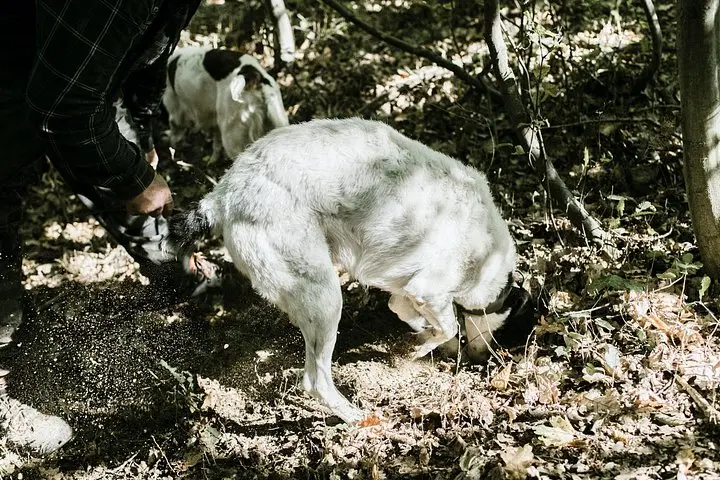
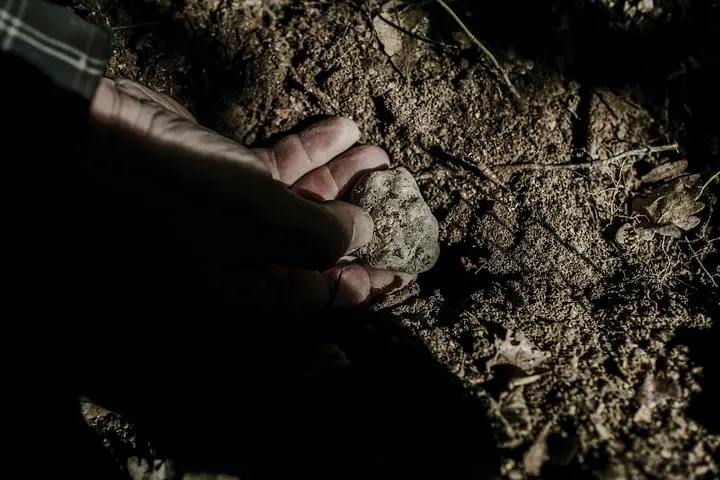
You step off a narrow country lane into a stand of oak and hazel; the damp loam gives underfoot and the dog pulls quietly on its lead, nose to the leaf litter. The hunter—trifolao—moves with practiced patience, reading roots and scent the way a map-reader scans contours. For 90 minutes you follow their rhythm, learning how the Tuber magnatum pico (Alba white) and the darker Langhe tuber announce themselves to a trained animal.
You step off a narrow country lane into a stand of oak and hazel; the damp loam gives underfoot and the dog pulls quietly on its lead, nose to the leaf litter. The hunter—trifolao—moves with practiced patience, reading roots and scent the way a map-reader scans contours. For 90 minutes you follow their rhythm, learning how the Tuber magnatum pico (Alba white) and the darker Langhe tuber announce themselves to a trained animal.
This region of Piedmont has a farming history shaped by rolling vineyards and coppiced woods; truffle hunting sits at the intersection of agrarian practice and local gastronomy. Geologically, the calcareous-clay soils of the Langhe create the mineral backdrop truffles favor, while centuries of shepherding and chestnut coppicing helped maintain the mixed-canopy habitat that supports them.
Culturally, truffle hunts are a working tradition—dogs, land rights, and seasonal markets are part of rural life. Expect a practical introduction: how dogs signal finds, how truffles are unearthed gently, and why timing matters.
Practical guidance: wear waterproof shoes and long trousers for underbrush and wet soil; bring a light jacket—hills can be cool even in autumn. The private experience includes a tasting menu (starter, main, dessert) showcasing truffle on dishes like fried egg and tajarin; bottled water and coffee are provided. Note this activity is low-impact physically but requires respectful behavior around the dog and private land. If you have allergies or mobility concerns, disclose them when booking. Morning or late-afternoon hunts yield stronger scent activity; book well in advance during peak season (autumn and early winter) when Alba truffle activity is at its height.