THE ADVENTURE COLLECTIVE® · Independent discovery and booking for outdoor travel

Join an expert hunter and trained dog to search for summer black truffles (Scorzone) on the sun-exposed hills near Montalcino. The outing finishes with a simple truffle-focused dinner—expect 5–6 hours of walking, local stories, and hands-on foraging technique.
Join an expert hunter and trained dog to search for summer black truffles (Scorzone) on the sun-exposed hills near Montalcino. The outing finishes with a simple truffle-focused dinner—expect 5–6 hours of walking, local stories, and hands-on foraging technique.
Late afternoon light slides across the rolling hills outside Montalcino as a truffle dog tugs on its leash, nose low and intent. You step off a shaded track into scrubby oak and hazelnut trees, the earth cool and faintly sweet beneath your boots—this is the moment a finder becomes a forager.
Verified experiences and guided adventures in the surrounding area.
Operated by ARTEMISIA VIAGGI SRL · Montalcino, Tuscany
Late afternoon light slides across the rolling hills outside Montalcino as a truffle dog tugs on its leash, nose low and intent. You step off a shaded track into scrubby oak and hazelnut trees, the earth cool and faintly sweet beneath your boots—this is the moment a finder becomes a forager.
Truffle hunting in Tuscany draws on a rural tradition that ties food to place: the Scorzone, or summer black truffle, thrives in calcareous soils and warm, sun-exposed slopes. For centuries local hunters and their dogs have read the land’s subtle clues—soil texture, tree species, and humus layers—to locate pockets of subterranean fungus prized by chefs.
Culturally the excursion links fieldwork to table: the outing usually ends with a simple dinner highlighting truffle shavings over pasta or eggs, paired with local Brunello or a rosé from nearby vineyards. Geologically, the area’s limestone-rich soils and intermittent drainage create the microhabitats truffles favor.
Practically, expect 5–6 hours including transport from Montalcino, walking on steep, uneven woodland trails, and close interaction with the hunter and dog. Found truffles are not included in the tour price; the operator offers tasting but not guaranteed finds. Comfortable trekking shoes, layered clothing for late-evening temperatures, and a small daypack are essential. Note the tour runs seasonally and requires a minimum of two participants; children under 18 must be with a parent. Move deliberately, follow the handler’s instructions around the dog, and bring a camera—the terrain tests your footing but rewards patience with sensory, culinary, and cultural insight into Tuscany’s underground riches.
No—any truffles found belong to the hunter; participants can usually purchase specimens directly from the hunter after the search.
The tour typically includes private transport from Montalcino; confirm pickup location and times when booking.
No—outside dogs are prohibited to avoid distracting the trained search dog and to protect local wildlife.
Minimum age is 8 and children under 18 must be accompanied; the walk is not recommended for those with significant mobility limitations due to steep and uneven terrain.
ARTEMISIA VIAGGI SRL operates guided outdoor trips and adventures with an emphasis on safety, stewardship, and memorable experiences.
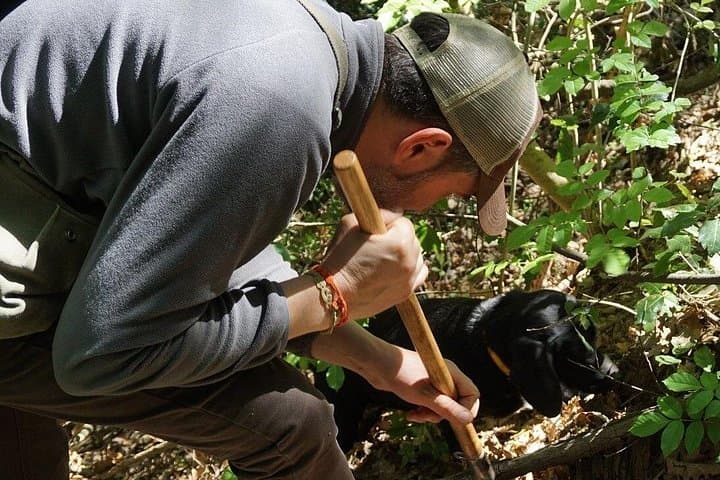

Late afternoon light slides across the rolling hills outside Montalcino as a truffle dog tugs on its leash, nose low and intent. You step off a shaded track into scrubby oak and hazelnut trees, the earth cool and faintly sweet beneath your boots—this is the moment a finder becomes a forager.
Late afternoon light slides across the rolling hills outside Montalcino as a truffle dog tugs on its leash, nose low and intent. You step off a shaded track into scrubby oak and hazelnut trees, the earth cool and faintly sweet beneath your boots—this is the moment a finder becomes a forager.
Truffle hunting in Tuscany draws on a rural tradition that ties food to place: the Scorzone, or summer black truffle, thrives in calcareous soils and warm, sun-exposed slopes. For centuries local hunters and their dogs have read the land’s subtle clues—soil texture, tree species, and humus layers—to locate pockets of subterranean fungus prized by chefs.
Culturally the excursion links fieldwork to table: the outing usually ends with a simple dinner highlighting truffle shavings over pasta or eggs, paired with local Brunello or a rosé from nearby vineyards. Geologically, the area’s limestone-rich soils and intermittent drainage create the microhabitats truffles favor.
Practically, expect 5–6 hours including transport from Montalcino, walking on steep, uneven woodland trails, and close interaction with the hunter and dog. Found truffles are not included in the tour price; the operator offers tasting but not guaranteed finds. Comfortable trekking shoes, layered clothing for late-evening temperatures, and a small daypack are essential. Note the tour runs seasonally and requires a minimum of two participants; children under 18 must be with a parent. Move deliberately, follow the handler’s instructions around the dog, and bring a camera—the terrain tests your footing but rewards patience with sensory, culinary, and cultural insight into Tuscany’s underground riches.