THE ADVENTURE COLLECTIVE® · Independent discovery and booking for outdoor travel

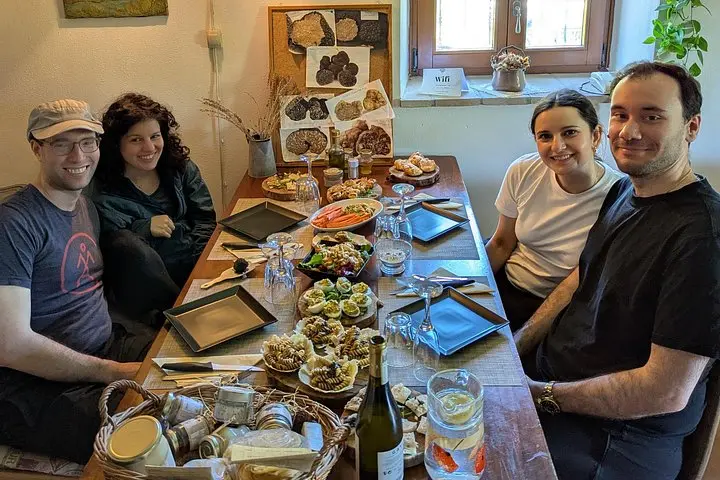
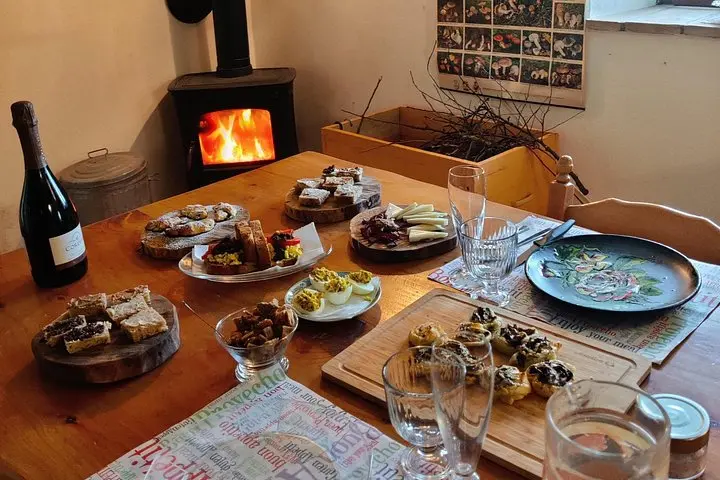
Join trained truffle dogs and local guides for a 1–1.5 hour hunt in the Parma hills, then sit down to a truffle-focused lunch by Mamma Laura. This hands-on half-day blends short woodland hiking, local food culture, and authentic farm hospitality.
Join trained truffle dogs and local guides for a 1–1.5 hour hunt in the Parma hills, then sit down to a truffle-focused lunch by Mamma Laura. This hands-on half-day blends short woodland hiking, local food culture, and authentic farm hospitality.
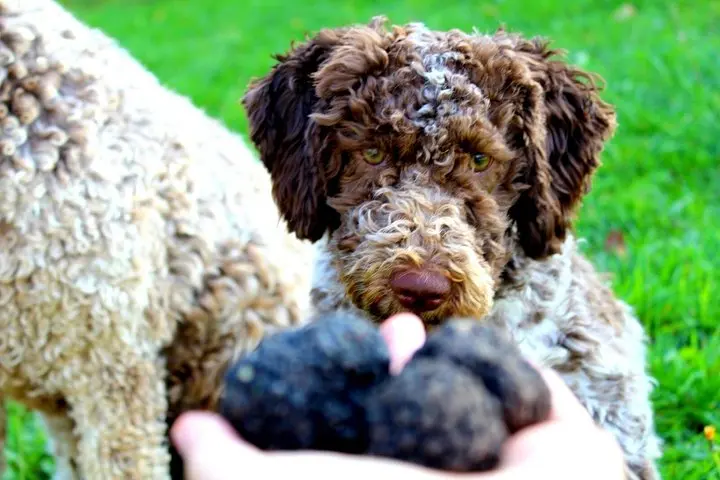
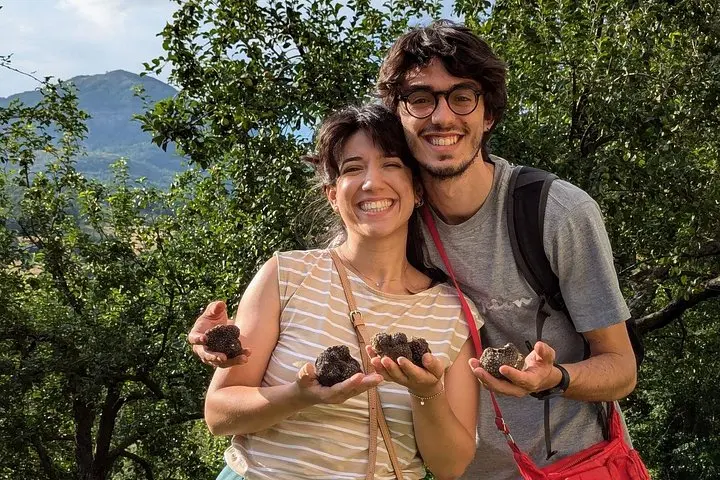
A short gravel lane winds up from the farmstead and the first thing you notice is the dogs—keen noses, wagging, already at work. The air in the Tuscan-Emilian Apennines tastes of damp leaf litter and crushed herbs; oak and chestnut roots crisscross the slope and small bursts of sunlight pick out mushrooms and moss. You follow Flavia and her trained dogs into mixed woods, trowel in hand, ready to unearth whatever the ground decides to give up.
Verified experiences and guided adventures in the surrounding area.
Operated by il Borgo del Tartufo · Valmozzola, Parma
A short gravel lane winds up from the farmstead and the first thing you notice is the dogs—keen noses, wagging, already at work. The air in the Tuscan-Emilian Apennines tastes of damp leaf litter and crushed herbs; oak and chestnut roots crisscross the slope and small bursts of sunlight pick out mushrooms and moss. You follow Flavia and her trained dogs into mixed woods, trowel in hand, ready to unearth whatever the ground decides to give up.
This part of Parma has long combined subsistence foraging with refined kitchens: truffles have been sought here for generations, pushed up by the calcareous, well-drained soils of these foothills. Geologically the Apennines are young enough to create varied microhabitats—rocky ridges, richer valley floors—so truffle species change with elevation and season. Culturally this is a hands-on food tradition; families still cook what they find and celebrate it at communal tables.
Practically, expect a 1–1.5 hour hunt followed by a truffle-focused lunch or dinner at the farm. Terrain is short, uneven forest tracks with light elevation change—suitable for most fitness levels but bring sturdy shoes and a jacket for the mountain microclimate. Dogs lead; you dig carefully where directed to protect mycorrhizae. Transport options include private pickup from Solignano or Berceto stations for an extra fee; Parma is the nearest city for lodging. Timing matters: morning hunts are cooler and often more productive in summer, while fall yields larger black truffles. Leave space in your bag for fresh truffles and preserve etiquette—ask before handling or removing anything. The experience is equal parts fieldwork and table-side tasting: expect honest labor rewarded with immediate, fragrant food.
The hunt typically lasts 1 to 1.5 hours within the overall 3-hour experience, depending on finds and group pace.
Personal dogs are generally discouraged to avoid distracting the trained truffle dogs; service animals are allowed—confirm beforehand.
Yes—vegetarian and vegan options are available but notify the host when booking so the kitchen can prepare accordingly.
You can take regional trains to Solignano or Berceto and arrange the farm's paid pickup (€40 roundtrip for up to 4 people); Parma pickups are available at extra cost.
il Borgo del Tartufo operates guided outdoor trips and adventures with an emphasis on safety, stewardship, and memorable experiences.
A short gravel lane winds up from the farmstead and the first thing you notice is the dogs—keen noses, wagging, already at work. The air in the Tuscan-Emilian Apennines tastes of damp leaf litter and crushed herbs; oak and chestnut roots crisscross the slope and small bursts of sunlight pick out mushrooms and moss. You follow Flavia and her trained dogs into mixed woods, trowel in hand, ready to unearth whatever the ground decides to give up.
A short gravel lane winds up from the farmstead and the first thing you notice is the dogs—keen noses, wagging, already at work. The air in the Tuscan-Emilian Apennines tastes of damp leaf litter and crushed herbs; oak and chestnut roots crisscross the slope and small bursts of sunlight pick out mushrooms and moss. You follow Flavia and her trained dogs into mixed woods, trowel in hand, ready to unearth whatever the ground decides to give up.
This part of Parma has long combined subsistence foraging with refined kitchens: truffles have been sought here for generations, pushed up by the calcareous, well-drained soils of these foothills. Geologically the Apennines are young enough to create varied microhabitats—rocky ridges, richer valley floors—so truffle species change with elevation and season. Culturally this is a hands-on food tradition; families still cook what they find and celebrate it at communal tables.
Practically, expect a 1–1.5 hour hunt followed by a truffle-focused lunch or dinner at the farm. Terrain is short, uneven forest tracks with light elevation change—suitable for most fitness levels but bring sturdy shoes and a jacket for the mountain microclimate. Dogs lead; you dig carefully where directed to protect mycorrhizae. Transport options include private pickup from Solignano or Berceto stations for an extra fee; Parma is the nearest city for lodging. Timing matters: morning hunts are cooler and often more productive in summer, while fall yields larger black truffles. Leave space in your bag for fresh truffles and preserve etiquette—ask before handling or removing anything. The experience is equal parts fieldwork and table-side tasting: expect honest labor rewarded with immediate, fragrant food.