THE ADVENTURE COLLECTIVE® · Independent discovery and booking for outdoor travel

Spend a half day outside Florence tracking truffle dogs through oak and chestnut woods, then savor a four-course Tuscan lunch paired with local wines and the day’s harvest. Learn how soil, season and canine skill come together to reveal these prized fungi.
Spend a half day outside Florence tracking truffle dogs through oak and chestnut woods, then savor a four-course Tuscan lunch paired with local wines and the day’s harvest. Learn how soil, season and canine skill come together to reveal these prized fungi.
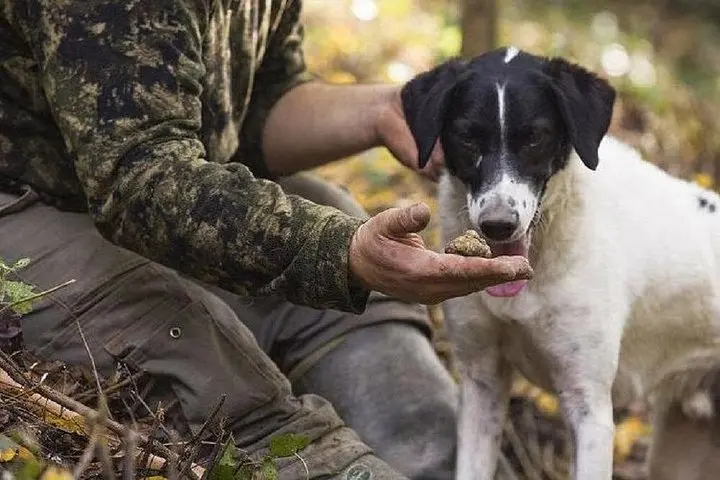
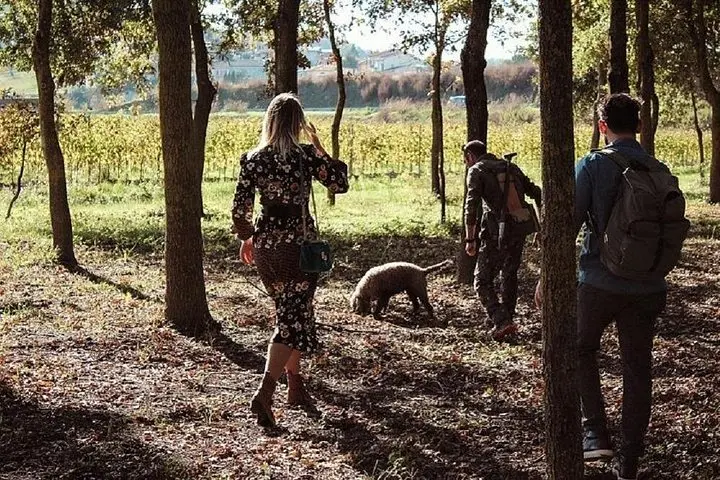
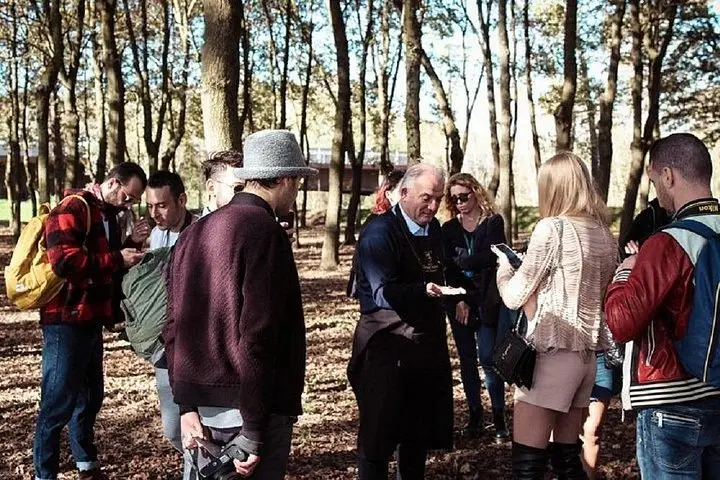
Morning light slices across rolling Chianti hills as a minivan peels away from Florence and the estate’s cypress-lined drive appears on the horizon. Guests step down onto damp leaf litter; the air smells of wet earth and mushrooms. A handler and a pair of truffle dogs set the tempo—noses to the ground, tails flicking—while the guide explains the subtle art of reading scent, soil, and root structure.
Verified experiences and guided adventures in the surrounding area.
Operated by Star Europe Tours · Greve in Chianti, Tuscany
Morning light slices across rolling Chianti hills as a minivan peels away from Florence and the estate’s cypress-lined drive appears on the horizon. Guests step down onto damp leaf litter; the air smells of wet earth and mushrooms. A handler and a pair of truffle dogs set the tempo—noses to the ground, tails flicking—while the guide explains the subtle art of reading scent, soil, and root structure.
Tuscany’s truffle story is both agricultural and cultural: centuries-old olive groves and oak woods form the ecological cradle where tubers grow in symbiosis with tree roots. The geology—well-drained calcareous soils and microclimates shaped by nearby hills—creates pockets where truffles thrive. Locally, truffle hunting is tied to seasonal festivals and family-run estates that have passed techniques across generations.
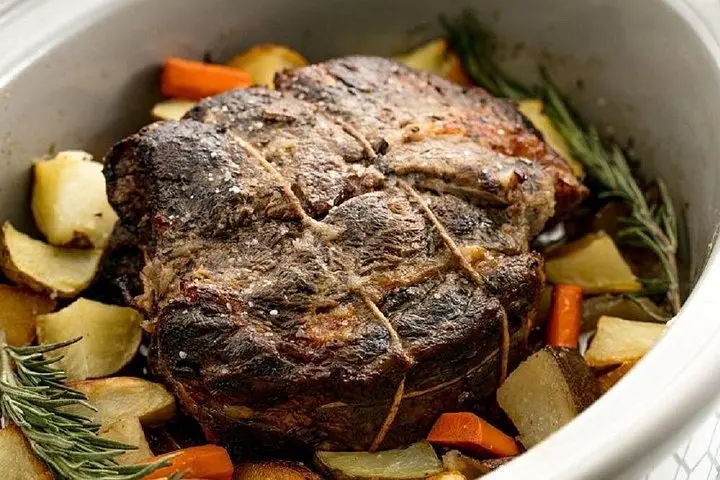
Expect a roughly one-hour guided hunt through mixed woodland and pasture, followed by a sit-down four-course Tuscan lunch with wine pairings that showcase the day’s finds. The dogs do the heavy lifting; visitors learn how truffle hunters minimize disturbance to the soil and why estate owners retain rights to the harvest.
Practical guidance: wear sturdy, closed-toe shoes and long trousers; trails are uneven and can be muddy. Bring water, sun protection, and a light layer—Tuscany’s weather can flip in a day. Tours typically last about five hours including transportation from Florence; arrive on time and alert hosts to allergies. If you plan to buy truffles, ask about weight, grade, and storage—fresh truffles keep their aroma only for days. This is a sensory, hands-on half-day that mixes fieldwork with regional gastronomy—ideal for food-minded travelers who want a tangible connection to Tuscany’s landscape.
No—hunts are guided and suitable for beginners; handlers and dogs lead the search while guides explain techniques.
Truffles found during the hunt are the property of the estate but are usually available for purchase at a set price on the day.
Most tours include round-trip transportation from a central Florence pickup point; confirm meeting times and locations when you book.
Children are welcome though the terrain can be rough; only service animals are allowed—private pets are usually not permitted.
Star Europe Tours operates guided outdoor trips and adventures with an emphasis on safety, stewardship, and memorable experiences.
Morning light slices across rolling Chianti hills as a minivan peels away from Florence and the estate’s cypress-lined drive appears on the horizon. Guests step down onto damp leaf litter; the air smells of wet earth and mushrooms. A handler and a pair of truffle dogs set the tempo—noses to the ground, tails flicking—while the guide explains the subtle art of reading scent, soil, and root structure.
Morning light slices across rolling Chianti hills as a minivan peels away from Florence and the estate’s cypress-lined drive appears on the horizon. Guests step down onto damp leaf litter; the air smells of wet earth and mushrooms. A handler and a pair of truffle dogs set the tempo—noses to the ground, tails flicking—while the guide explains the subtle art of reading scent, soil, and root structure.
Tuscany’s truffle story is both agricultural and cultural: centuries-old olive groves and oak woods form the ecological cradle where tubers grow in symbiosis with tree roots. The geology—well-drained calcareous soils and microclimates shaped by nearby hills—creates pockets where truffles thrive. Locally, truffle hunting is tied to seasonal festivals and family-run estates that have passed techniques across generations.
Expect a roughly one-hour guided hunt through mixed woodland and pasture, followed by a sit-down four-course Tuscan lunch with wine pairings that showcase the day’s finds. The dogs do the heavy lifting; visitors learn how truffle hunters minimize disturbance to the soil and why estate owners retain rights to the harvest.
Practical guidance: wear sturdy, closed-toe shoes and long trousers; trails are uneven and can be muddy. Bring water, sun protection, and a light layer—Tuscany’s weather can flip in a day. Tours typically last about five hours including transportation from Florence; arrive on time and alert hosts to allergies. If you plan to buy truffles, ask about weight, grade, and storage—fresh truffles keep their aroma only for days. This is a sensory, hands-on half-day that mixes fieldwork with regional gastronomy—ideal for food-minded travelers who want a tangible connection to Tuscany’s landscape.