THE ADVENTURE COLLECTIVE® · Independent discovery and booking for outdoor travel

Join a local truffle hunter and his trained dogs for a hands-on foraging walk around Siena, followed by a tasting of fresh and preserved truffle products. Expect 1–2 hours of active walking on uneven, sometimes muddy terrain and an insider’s look at Tuscan truffle culture.
Join a local truffle hunter and his trained dogs for a hands-on foraging walk around Siena, followed by a tasting of fresh and preserved truffle products. Expect 1–2 hours of active walking on uneven, sometimes muddy terrain and an insider’s look at Tuscan truffle culture.
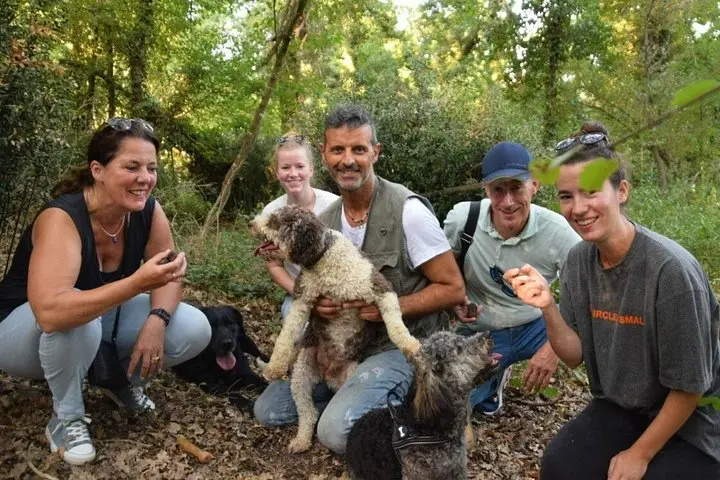
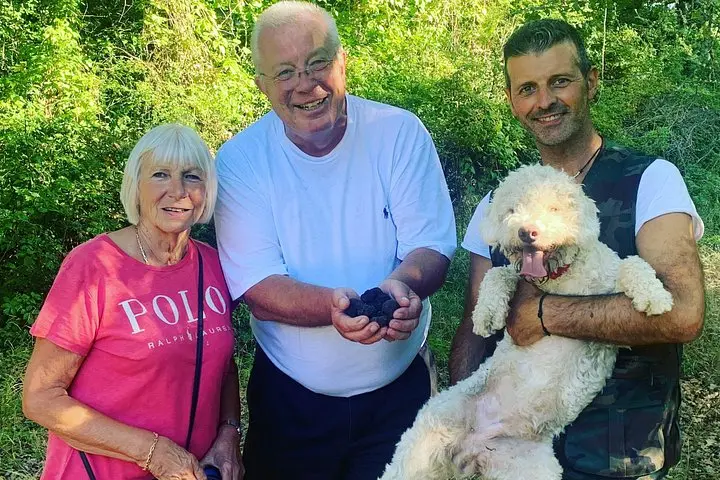
Morning light thins through umbrella pines as you step off a narrow farm track and into the damp, scent-rich soil of Tuscany. Alessandro’s Lagotto Romagnolo and Labrador lead confidently, noses combing the ground; you follow the dogs’ insistence and learn to read the earth’s small signals — the slightly raised duff, the concentric teeth marks that mean something valuable is beneath.
Verified experiences and guided adventures in the surrounding area.
Operated by Siena Tartufi · Siena, Tuscany
Morning light thins through umbrella pines as you step off a narrow farm track and into the damp, scent-rich soil of Tuscany. Alessandro’s Lagotto Romagnolo and Labrador lead confidently, noses combing the ground; you follow the dogs’ insistence and learn to read the earth’s small signals — the slightly raised duff, the concentric teeth marks that mean something valuable is beneath.
Truffle hunting here is part skill, part local culture. For centuries Tuscan families have hunted truffles on communal and private lands; the Lagotto Romagnolo is a regional breed refined specifically to find tubers. Geologically the area’s clay-silty soils and calcareous subsoils create the fungal relationships that allow truffles to thrive, especially around oak, hazel, and hornbeam roots.
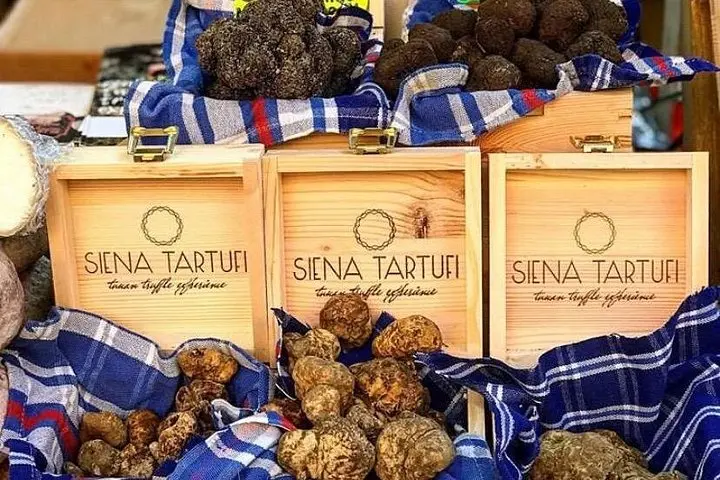
Expect an active, hands-on outing: a roughly 1–2 hour walk across uneven country while the dogs work. Alessandro demonstrates extraction techniques and explains truffle types by season, then returns to his shop for a focused tasting: shaved truffle with Parmigiano, preserved products, and small plates highlighting their aroma. The tasting connects the foraging moment to local food traditions — how truffles shaped market towns and kitchens across Tuscany.
Practical notes: wear sturdy, closed-toe footwear and dress for mud; bring a small daypack with water. The tour is best booked mid-morning when soil aromas are lively and the dogs are fresh. Respect the dogs’ space and the guide’s instructions when a dig begins; conservation-minded foraging keeps this craft viable. Whether you come for the food or the fieldwork, the experience mixes rural rhythm, canine intuition, and the quiet satisfaction of unearthing something rare.
Yes — the guide’s trained Lagotto Romagnolo and Labrador lead searches; guests observe and assist under guidance.
Children can join if they are comfortable walking on uneven ground and following safety instructions; check the operator’s age policies when booking.
Finds depend on season, location, and soil conditions; the experience focuses on learning the craft and tasting truffle products even if finds vary.
The meeting location is near Siena with public transport options nearby; the operator provides specific directions on booking confirmation.
Siena Tartufi operates guided outdoor trips and adventures with an emphasis on safety, stewardship, and memorable experiences.
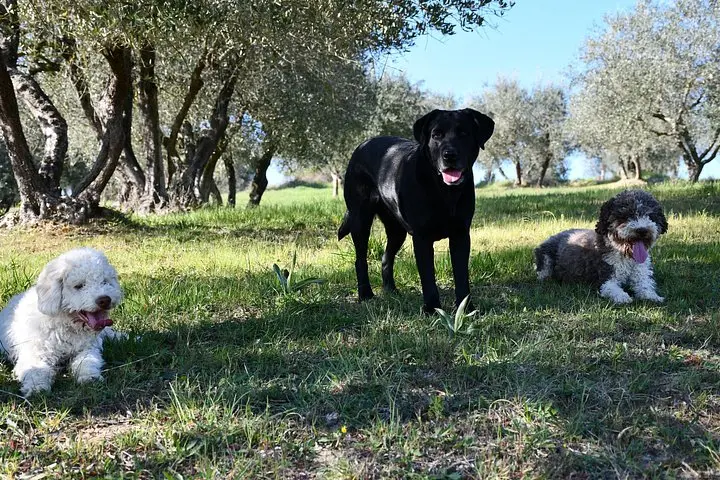
Morning light thins through umbrella pines as you step off a narrow farm track and into the damp, scent-rich soil of Tuscany. Alessandro’s Lagotto Romagnolo and Labrador lead confidently, noses combing the ground; you follow the dogs’ insistence and learn to read the earth’s small signals — the slightly raised duff, the concentric teeth marks that mean something valuable is beneath.
Morning light thins through umbrella pines as you step off a narrow farm track and into the damp, scent-rich soil of Tuscany. Alessandro’s Lagotto Romagnolo and Labrador lead confidently, noses combing the ground; you follow the dogs’ insistence and learn to read the earth’s small signals — the slightly raised duff, the concentric teeth marks that mean something valuable is beneath.
Truffle hunting here is part skill, part local culture. For centuries Tuscan families have hunted truffles on communal and private lands; the Lagotto Romagnolo is a regional breed refined specifically to find tubers. Geologically the area’s clay-silty soils and calcareous subsoils create the fungal relationships that allow truffles to thrive, especially around oak, hazel, and hornbeam roots.
Expect an active, hands-on outing: a roughly 1–2 hour walk across uneven country while the dogs work. Alessandro demonstrates extraction techniques and explains truffle types by season, then returns to his shop for a focused tasting: shaved truffle with Parmigiano, preserved products, and small plates highlighting their aroma. The tasting connects the foraging moment to local food traditions — how truffles shaped market towns and kitchens across Tuscany.
Practical notes: wear sturdy, closed-toe footwear and dress for mud; bring a small daypack with water. The tour is best booked mid-morning when soil aromas are lively and the dogs are fresh. Respect the dogs’ space and the guide’s instructions when a dig begins; conservation-minded foraging keeps this craft viable. Whether you come for the food or the fieldwork, the experience mixes rural rhythm, canine intuition, and the quiet satisfaction of unearthing something rare.