THE ADVENTURE COLLECTIVE® · Independent discovery and booking for outdoor travel

Take a half-day SSI Try SCUBA session in the Hauraki Gulf north of Auckland. Learn basic skills, earn an SSI recognition card, and explore kelp-lined reefs under instructor supervision.
Take a half-day SSI Try SCUBA session in the Hauraki Gulf north of Auckland. Learn basic skills, earn an SSI recognition card, and explore kelp-lined reefs under instructor supervision.
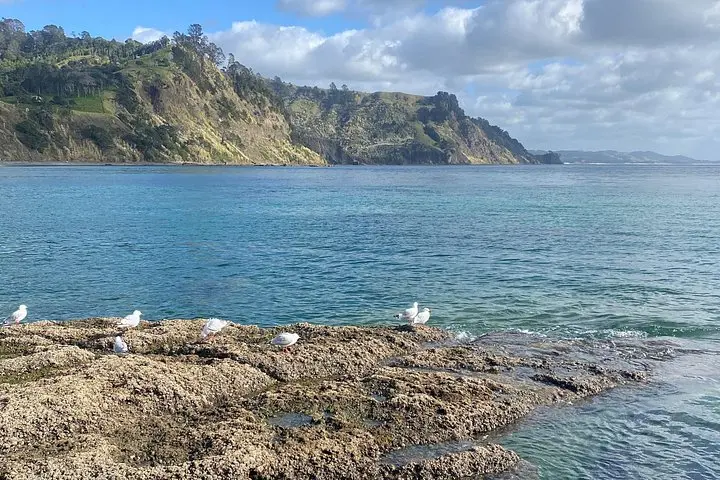
You step aboard a low-profile dive charter at first light, the Hauraki Gulf breathing salt and wind around the hull. The boat idles away from a north-Auckland wharf, and within an hour the water opens — kelp beds sway like hands and the surface glints, daring you to look below.
Verified experiences and guided adventures in the surrounding area.
Operated by New Zealand Diving Ltd · Auckland, Auckland
You step aboard a low-profile dive charter at first light, the Hauraki Gulf breathing salt and wind around the hull. The boat idles away from a north-Auckland wharf, and within an hour the water opens — kelp beds sway like hands and the surface glints, daring you to look below.
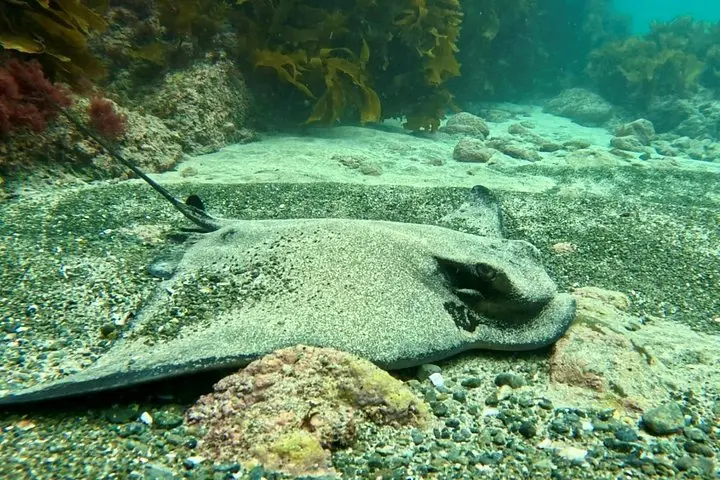
This Try SCUBA experience is an SSI entry-level dive: a short classroom and surface skills session followed by guided in-water time with an SSI dive pro. The gulf’s volcanic geology—basalt reefs and sculpted lava flows—creates pockets of kelp and reef where crayfish and scallops hide, and Maori and European maritime history threads through these shores in navigation routes and coastal settlements.
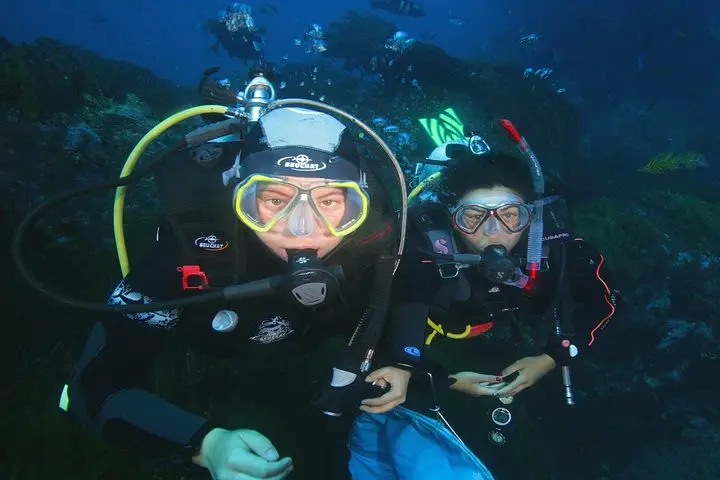
Expect low-profile boats, calm sheltered sites on fair days, and an emphasis on basic buoyancy, regulator use, and buddy protocols. The instructor issues tanks, weights and standard scuba gear and will sign you off for recognition that can count toward an Open Water certification if you continue training.
Practical guidance: arrive hydrated, bring completed health declaration and ID, and plan no flying for 48 hours after diving. Water temperature varies—thermals or wetsuits are common—and visibility can change with currents; instructors pick sites to match conditions and the group’s confidence.
For first-timers this is both an accessible introduction and a measured step into underwater navigation. The sea is curious; it pushes currents and shapes your attention. Follow the guide, watch your depth, and let the gulf’s life reveal itself one breath at a time.
No — Try SCUBA is an introductory experience taught by an SSI professional and does not require prior certification.
Water temperatures in the Hauraki Gulf vary by season; wetsuits or shorties are commonly used and operators will advise based on conditions.
You must complete an SSI dive medical declaration; certain medical conditions may require doctor sign-off and diving within 48 hours of flying is discouraged.
Yes — an SSI Try SCUBA dive may be recognized as one of the required dives if you enroll in Open Water training within the provider’s timeframe.
New Zealand Diving Ltd operates guided outdoor trips and adventures with an emphasis on safety, stewardship, and memorable experiences.
You step aboard a low-profile dive charter at first light, the Hauraki Gulf breathing salt and wind around the hull. The boat idles away from a north-Auckland wharf, and within an hour the water opens — kelp beds sway like hands and the surface glints, daring you to look below.
You step aboard a low-profile dive charter at first light, the Hauraki Gulf breathing salt and wind around the hull. The boat idles away from a north-Auckland wharf, and within an hour the water opens — kelp beds sway like hands and the surface glints, daring you to look below.
This Try SCUBA experience is an SSI entry-level dive: a short classroom and surface skills session followed by guided in-water time with an SSI dive pro. The gulf’s volcanic geology—basalt reefs and sculpted lava flows—creates pockets of kelp and reef where crayfish and scallops hide, and Maori and European maritime history threads through these shores in navigation routes and coastal settlements.
Expect low-profile boats, calm sheltered sites on fair days, and an emphasis on basic buoyancy, regulator use, and buddy protocols. The instructor issues tanks, weights and standard scuba gear and will sign you off for recognition that can count toward an Open Water certification if you continue training.
Practical guidance: arrive hydrated, bring completed health declaration and ID, and plan no flying for 48 hours after diving. Water temperature varies—thermals or wetsuits are common—and visibility can change with currents; instructors pick sites to match conditions and the group’s confidence.
For first-timers this is both an accessible introduction and a measured step into underwater navigation. The sea is curious; it pushes currents and shapes your attention. Follow the guide, watch your depth, and let the gulf’s life reveal itself one breath at a time.