THE ADVENTURE COLLECTIVE® · Independent discovery and booking for outdoor travel

Suit up on a warm Aruba afternoon: a short classroom briefing, hands-on gear practice in the shallows, then a guided shore dive amid seagrass and coral. Perfect for non-certified divers looking for a safe, intimate introduction to Caribbean reefs.
Suit up on a warm Aruba afternoon: a short classroom briefing, hands-on gear practice in the shallows, then a guided shore dive amid seagrass and coral. Perfect for non-certified divers looking for a safe, intimate introduction to Caribbean reefs.
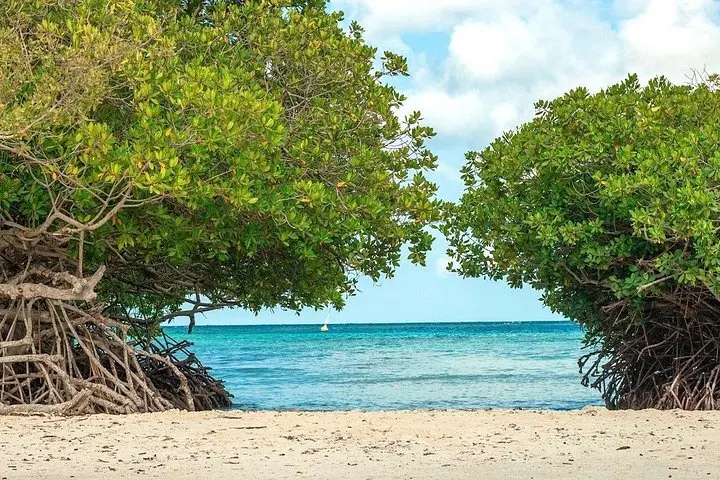
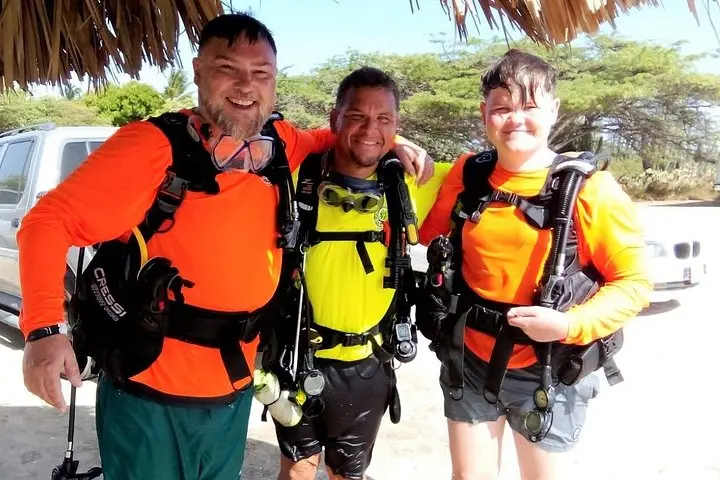
The sea breaks with a soft insistence against a shallow reef; salt and sun carve a bright outline across the water as participants assemble on the sand. In an open-group discovery dive off Aruba’s calmer shores, instructors guide nervous first-timers through the small rituals of equipment checks, regulator breaths and slow, steady descents until the reef accepts them.
Verified experiences and guided adventures in the surrounding area.
Operated by Pure Diving Aruba · Oranjestad, Aruba
The sea breaks with a soft insistence against a shallow reef; salt and sun carve a bright outline across the water as participants assemble on the sand. In an open-group discovery dive off Aruba’s calmer shores, instructors guide nervous first-timers through the small rituals of equipment checks, regulator breaths and slow, steady descents until the reef accepts them.
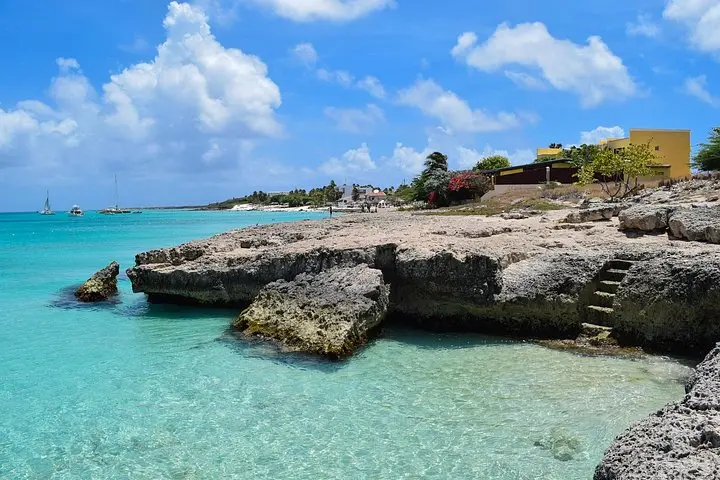
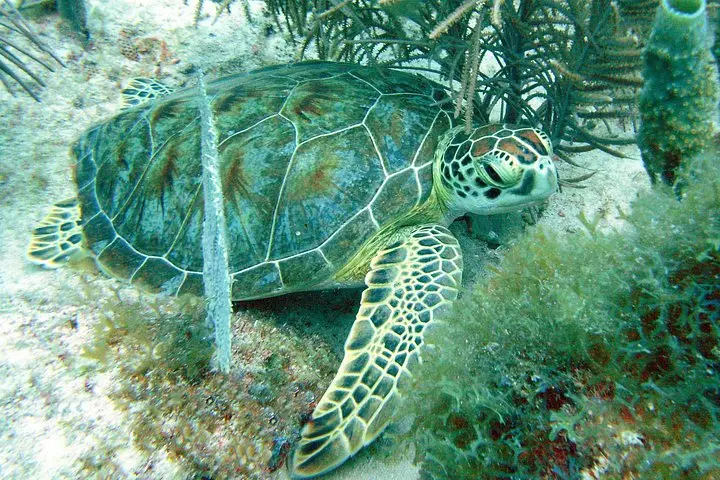
Aruba’s coastline is limestone bedrock cut by ancient coral growth and modern reef flats. Sites like Mangel Halto and Tres Trapi sit where fringing reef gives way to seagrass plains, creating easy entry points and clear visibility that historically supported local fishing communities and now host a steady parade of parrotfish, angelfish and hawksbill turtles.
Culturally, diving here blends Caribbean leisure with Dutch island logistics — briefings are efficient, equipment is international-standard, and small-group ratios prioritize safety. Geology shows fossilized coral terraces and sand channels that channel currents; the islands’ trade winds sculpt surface conditions but often leave these shallow sites placid in the afternoon.
Practical guidance: plan for a 30-minute classroom and skills session before a short in-water practice in waist-deep water, then a guided 30–40 minute shallow dive. Bring a mask you trust, be honest on the medical questionnaire, and allow 18+ hours before flying. Expect instruction from PADI/SDI professionals at roughly 1 instructor per 2 students, shore pickup options, and a total experience of about two hours. Hydrate, protect your skin with reef-safe sunscreen, and pace your breathing — the reef will reveal itself if you move slowly and observe.
No — this is a discovery dive designed for non-certified participants with on-site briefings and in-water skills training under direct supervision.
Minimum age is 10 years; minors typically require parental consent and must meet the same medical screening.
After a 30-minute briefing and skills practice, expect a guided shallow dive of about 30–40 minutes depending on conditions and air consumption.
Yes — participants are welcome to use their personal mask and fins; other gear (BCD, regulator, tank) is provided.
Pure Diving Aruba operates guided outdoor trips and adventures with an emphasis on safety, stewardship, and memorable experiences.
The sea breaks with a soft insistence against a shallow reef; salt and sun carve a bright outline across the water as participants assemble on the sand. In an open-group discovery dive off Aruba’s calmer shores, instructors guide nervous first-timers through the small rituals of equipment checks, regulator breaths and slow, steady descents until the reef accepts them.
The sea breaks with a soft insistence against a shallow reef; salt and sun carve a bright outline across the water as participants assemble on the sand. In an open-group discovery dive off Aruba’s calmer shores, instructors guide nervous first-timers through the small rituals of equipment checks, regulator breaths and slow, steady descents until the reef accepts them.
Aruba’s coastline is limestone bedrock cut by ancient coral growth and modern reef flats. Sites like Mangel Halto and Tres Trapi sit where fringing reef gives way to seagrass plains, creating easy entry points and clear visibility that historically supported local fishing communities and now host a steady parade of parrotfish, angelfish and hawksbill turtles.
Culturally, diving here blends Caribbean leisure with Dutch island logistics — briefings are efficient, equipment is international-standard, and small-group ratios prioritize safety. Geology shows fossilized coral terraces and sand channels that channel currents; the islands’ trade winds sculpt surface conditions but often leave these shallow sites placid in the afternoon.
Practical guidance: plan for a 30-minute classroom and skills session before a short in-water practice in waist-deep water, then a guided 30–40 minute shallow dive. Bring a mask you trust, be honest on the medical questionnaire, and allow 18+ hours before flying. Expect instruction from PADI/SDI professionals at roughly 1 instructor per 2 students, shore pickup options, and a total experience of about two hours. Hydrate, protect your skin with reef-safe sunscreen, and pace your breathing — the reef will reveal itself if you move slowly and observe.