THE ADVENTURE COLLECTIVE® · Independent discovery and booking for outdoor travel

Covering the highlights of Tsavo East in a single long day, this safari from Mombasa or Diani pairs early- and late-day game drives with lodge dining and expert guiding. Perfect for travelers short on time who want big-game viewing without an overnight.
Covering the highlights of Tsavo East in a single long day, this safari from Mombasa or Diani pairs early- and late-day game drives with lodge dining and expert guiding. Perfect for travelers short on time who want big-game viewing without an overnight.
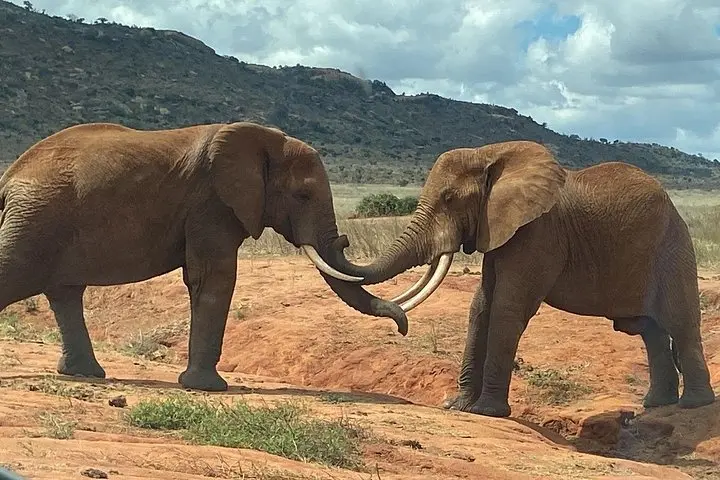
A pre-dawn highway unfurls out of the coast and, two hours later, the scrub opens into the broad, sunbaked plains of Tsavo East—dry riverbeds cutting like veins, acacia silhouettes sharp against an enormous sky. The park greets visitors with the scent of dust and the distant rumble of elephants moving toward water; even from the pop-up roof of a safari vehicle the landscape feels alive, watching back.
Verified experiences and guided adventures in the surrounding area.
Operated by GoPark Safaris · Voi, Taita-Taveta County
A pre-dawn highway unfurls out of the coast and, two hours later, the scrub opens into the broad, sunbaked plains of Tsavo East—dry riverbeds cutting like veins, acacia silhouettes sharp against an enormous sky. The park greets visitors with the scent of dust and the distant rumble of elephants moving toward water; even from the pop-up roof of a safari vehicle the landscape feels alive, watching back.
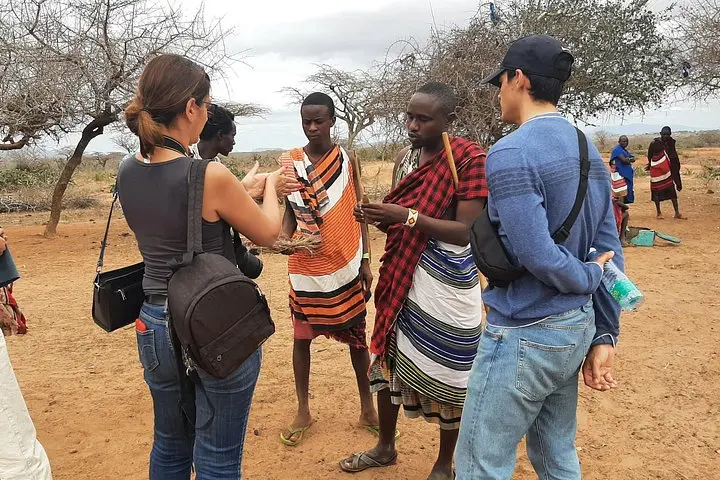
Tsavo East, one of Kenya’s largest and oldest reserves, carries layered histories: the railway legends of the late 19th century, decades of conservation work, and geology marked by volcanic soils and shallow basins that gather life after seasonal rains. Local Kamba and Taita cultures have long read the rhythms of this land; today, guides blend natural history with stories of animal movements and lodge-side hospitality.
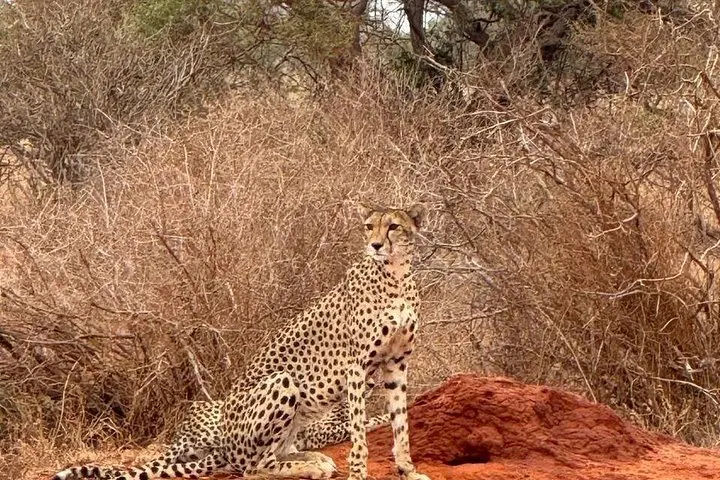
Expect a looped game drive pattern—morning window for predator and elephant activity, a midday pause at a lodge for lunch, and a final sweep toward waterholes like Aruba Dam where wildlife congregates. Terrain is largely flat to gently undulating, sandy tracks and thorn scrub; vehicle-based viewing keeps exertion minimal but photo and observation windows large.
Practical notes: start early to beat heat, bring long lenses and binoculars, and wear neutral-colored layers for changing sun. Hydrate frequently—dry air and dust take their toll—and follow guide instructions around distances to animals. For travelers short on time, this day trip is efficient: immersive wildlife viewing with expert commentary, returned to the coast by evening.
Drive time is about two hours to the park entrance, with a scheduled 30-minute rest stop for breakfast before entry.
Tsavo East commonly hosts large elephants, buffalo, zebra, giraffe and has resident lions; birdlife such as kori bustard and ostrich is also frequent.
Yes—this tour includes park entrance fees, private transport, and lunch at a lodge adjacent to the park.
Yes—tour operators note the trip is suitable for all fitness levels; infants must sit on an adult’s lap and infant seats are available on request.
GoPark Safaris operates guided outdoor trips and adventures with an emphasis on safety, stewardship, and memorable experiences.
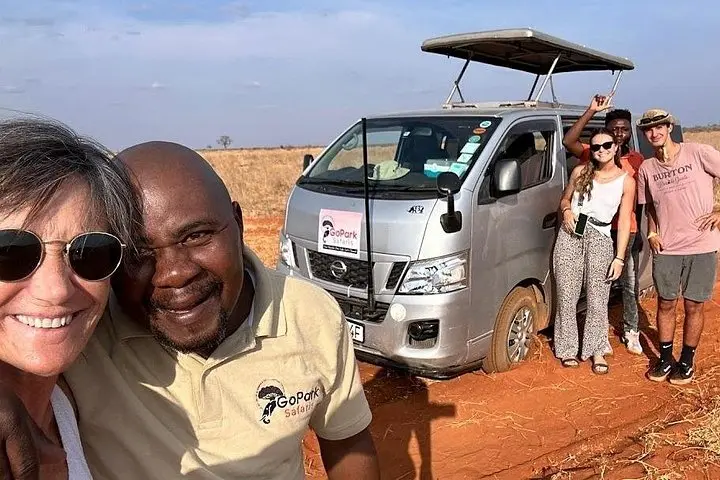
A pre-dawn highway unfurls out of the coast and, two hours later, the scrub opens into the broad, sunbaked plains of Tsavo East—dry riverbeds cutting like veins, acacia silhouettes sharp against an enormous sky. The park greets visitors with the scent of dust and the distant rumble of elephants moving toward water; even from the pop-up roof of a safari vehicle the landscape feels alive, watching back.
A pre-dawn highway unfurls out of the coast and, two hours later, the scrub opens into the broad, sunbaked plains of Tsavo East—dry riverbeds cutting like veins, acacia silhouettes sharp against an enormous sky. The park greets visitors with the scent of dust and the distant rumble of elephants moving toward water; even from the pop-up roof of a safari vehicle the landscape feels alive, watching back.
Tsavo East, one of Kenya’s largest and oldest reserves, carries layered histories: the railway legends of the late 19th century, decades of conservation work, and geology marked by volcanic soils and shallow basins that gather life after seasonal rains. Local Kamba and Taita cultures have long read the rhythms of this land; today, guides blend natural history with stories of animal movements and lodge-side hospitality.
Expect a looped game drive pattern—morning window for predator and elephant activity, a midday pause at a lodge for lunch, and a final sweep toward waterholes like Aruba Dam where wildlife congregates. Terrain is largely flat to gently undulating, sandy tracks and thorn scrub; vehicle-based viewing keeps exertion minimal but photo and observation windows large.
Practical notes: start early to beat heat, bring long lenses and binoculars, and wear neutral-colored layers for changing sun. Hydrate frequently—dry air and dust take their toll—and follow guide instructions around distances to animals. For travelers short on time, this day trip is efficient: immersive wildlife viewing with expert commentary, returned to the coast by evening.