THE ADVENTURE COLLECTIVE® · Independent discovery and booking for outdoor travel

A multi-day route from Morondava to the Tsingy of Bemaraha that mixes baobab-lined roads, river ferries and jagged limestone canyons. Expect long transfers, narrow gorges, guided walks and dramatic light at dusk—best for travelers with steady footing and moderate fitness.
A multi-day route from Morondava to the Tsingy of Bemaraha that mixes baobab-lined roads, river ferries and jagged limestone canyons. Expect long transfers, narrow gorges, guided walks and dramatic light at dusk—best for travelers with steady footing and moderate fitness.
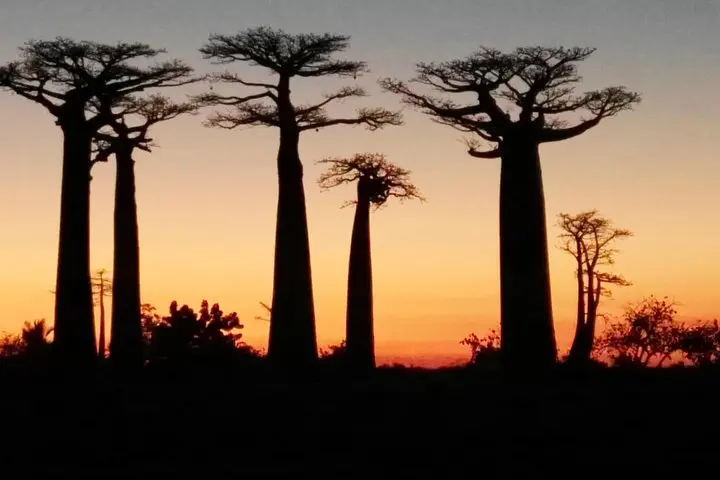
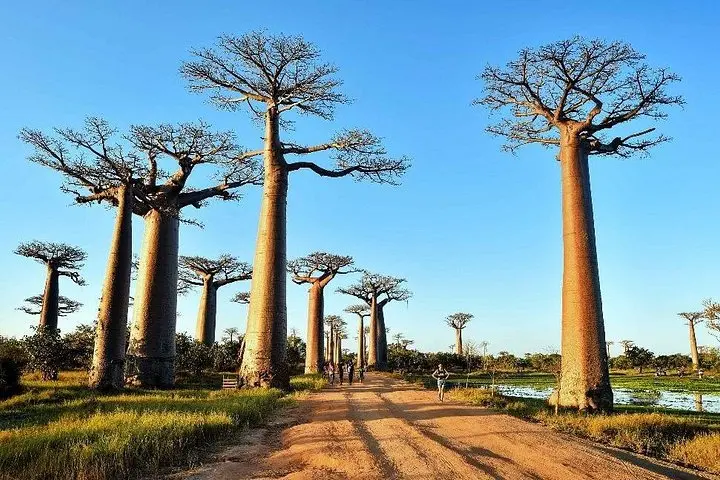
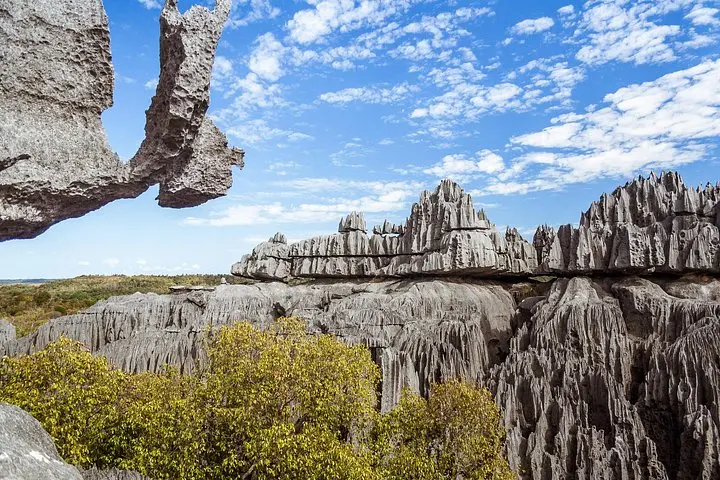
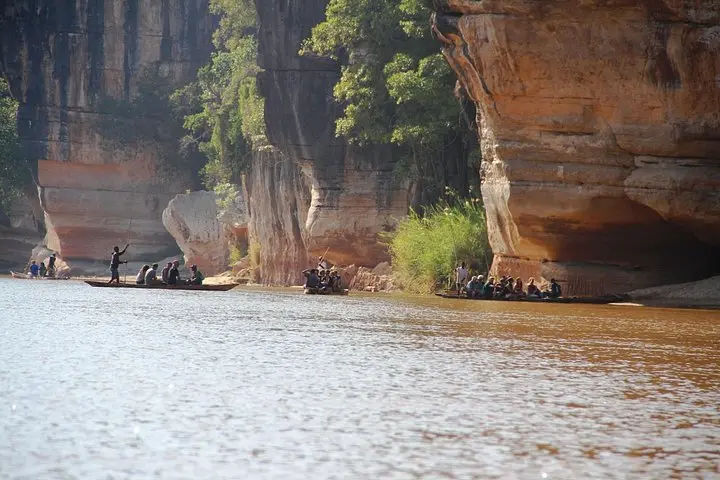
You arrive on a laterite ribbon of road where dust drifts like slow smoke and baobabs punctuate the horizon with blade-like silhouettes. The ferry plunks its ramp down, the Tsiribihina and Manambolo rivers dare you to move forward, and the landscape tightens into the ragged teeth of the Tsingy — a forest of limestone blades that feel less like rock and more like an ancient city carved by rain.
Verified experiences and guided adventures in the surrounding area.
Operated by Zania Tours · Bekopaka, Menabe
You arrive on a laterite ribbon of road where dust drifts like slow smoke and baobabs punctuate the horizon with blade-like silhouettes. The ferry plunks its ramp down, the Tsiribihina and Manambolo rivers dare you to move forward, and the landscape tightens into the ragged teeth of the Tsingy — a forest of limestone blades that feel less like rock and more like an ancient city carved by rain.
This itinerary threads Morondava’s coastal calm with the Jurassic geology of Bemaraha. The Tsingy formed from coral and reef uplifted millions of years ago, then carved by millennia of tropical rain into sharp pinnacles and deep canyons. Local Sakalava culture and fishing villages along the Mozambique Canal still live by the rhythms of river crossings and seasonal tides, and the Alley of Baobabs offers a late-afternoon portrait of Malagasy life and light.
Expect long drives, vehicle ferries, and trails that move from sandy tracks to sticky laterite and technical limestone paths. Days in Bekopaka focus on guided walks through narrow gorges, short exposed scrambles, and viewpoints that require sure footing. Wildlife is a close companion: peering lemurs, tiny chameleons, and the furtive signs of fosa in dry forest.
Practical edge: travel light but robust — sturdy boots, a waterproof layer, and cash for park fees are non-negotiable. Plan for slow transfers and ferry schedules; sunrise and late afternoon deliver the best light and cooler walking. Guide services and park permits are required for Tsingy circuits; book these into your 4–5 day plan, and factor an extra day if roads or ferries run late.
Yes—park rules require certified local guides for the main circuits; guides handle route-finding, safety on exposed sections, and arrange park permits.
The route combines long vehicle transfers and varied walking: expect uneven limestone, narrow passages and short scrambles—moderate to challenging fitness is recommended.
Dry season (May–October) provides more reliable road access and firmer trails; the rainy season can wash out roads and make ferries irregular.
No—lemurs, chameleons and birdlife are common, but sightings depend on season, time of day and quiet movement; guides increase your chances.
Zania Tours operates guided outdoor trips and adventures with an emphasis on safety, stewardship, and memorable experiences.
You arrive on a laterite ribbon of road where dust drifts like slow smoke and baobabs punctuate the horizon with blade-like silhouettes. The ferry plunks its ramp down, the Tsiribihina and Manambolo rivers dare you to move forward, and the landscape tightens into the ragged teeth of the Tsingy — a forest of limestone blades that feel less like rock and more like an ancient city carved by rain.
You arrive on a laterite ribbon of road where dust drifts like slow smoke and baobabs punctuate the horizon with blade-like silhouettes. The ferry plunks its ramp down, the Tsiribihina and Manambolo rivers dare you to move forward, and the landscape tightens into the ragged teeth of the Tsingy — a forest of limestone blades that feel less like rock and more like an ancient city carved by rain.
This itinerary threads Morondava’s coastal calm with the Jurassic geology of Bemaraha. The Tsingy formed from coral and reef uplifted millions of years ago, then carved by millennia of tropical rain into sharp pinnacles and deep canyons. Local Sakalava culture and fishing villages along the Mozambique Canal still live by the rhythms of river crossings and seasonal tides, and the Alley of Baobabs offers a late-afternoon portrait of Malagasy life and light.
Expect long drives, vehicle ferries, and trails that move from sandy tracks to sticky laterite and technical limestone paths. Days in Bekopaka focus on guided walks through narrow gorges, short exposed scrambles, and viewpoints that require sure footing. Wildlife is a close companion: peering lemurs, tiny chameleons, and the furtive signs of fosa in dry forest.
Practical edge: travel light but robust — sturdy boots, a waterproof layer, and cash for park fees are non-negotiable. Plan for slow transfers and ferry schedules; sunrise and late afternoon deliver the best light and cooler walking. Guide services and park permits are required for Tsingy circuits; book these into your 4–5 day plan, and factor an extra day if roads or ferries run late.