THE ADVENTURE COLLECTIVE® · Independent discovery and booking for outdoor travel

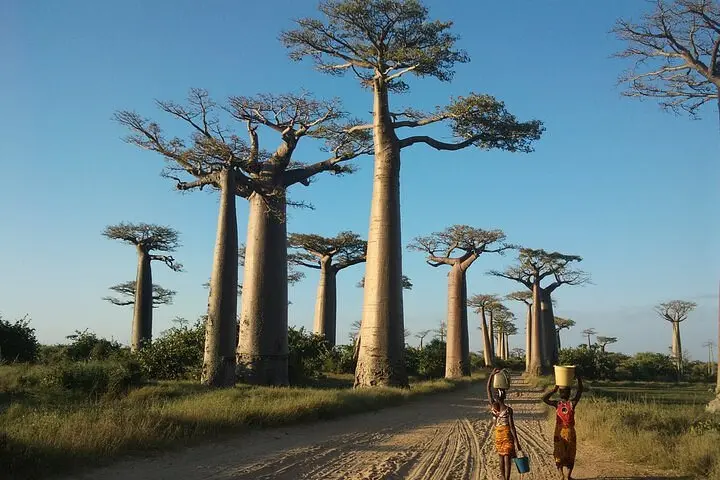
A 9-day expedition that combines a 160 km barge descent of the Tsiribihina River with guided hikes through the UNESCO-listed Tsingy de Bemaraha. Expect river camping, canoe gorges, limestone pinnacles and the iconic Allée des Baobabs at sunset.
A 9-day expedition that combines a 160 km barge descent of the Tsiribihina River with guided hikes through the UNESCO-listed Tsingy de Bemaraha. Expect river camping, canoe gorges, limestone pinnacles and the iconic Allée des Baobabs at sunset.
The barge slips away from Miandrivazo at dawn, riverbanks blurring into cliffs and baobab silhouettes. Heat lifts off the water; kingfishers flit like punctuation along reed-lined channels as the Tsiribihina dares you forward. Night falls on white-sand bivouacs where stars feel close enough to touch.
Verified experiences and guided adventures in the surrounding area.
Operated by Mada Diary Tour · Morondava, Menabe
The barge slips away from Miandrivazo at dawn, riverbanks blurring into cliffs and baobab silhouettes. Heat lifts off the water; kingfishers flit like punctuation along reed-lined channels as the Tsiribihina dares you forward. Night falls on white-sand bivouacs where stars feel close enough to touch.
This itinerary pairs a 160 km descent of the Tsiribihina River with a visit to Tsingy de Bemaraha, a UNESCO-listed karst landscape of razor limestone pinnacles. Geologically, the Tsingy formed from uplifted coral and limestone eroded into vertical needles, caves and narrow canyons. Culturally, the route crosses Sakalava country—villages where zebu and local taboos (fady) shape daily life and hospitality.
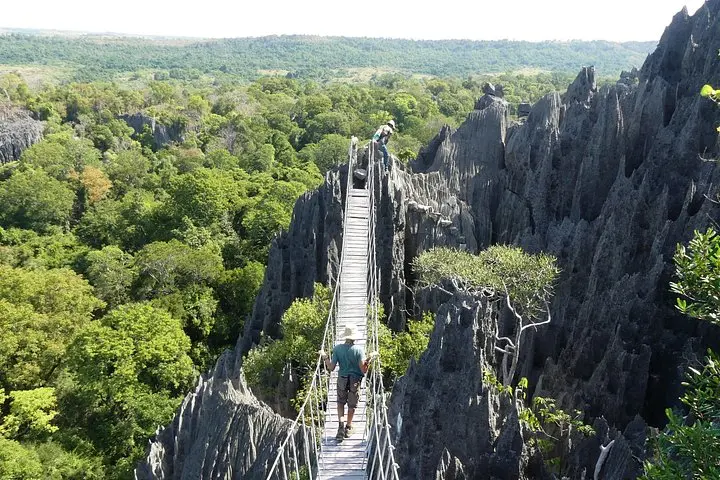
Expect a mix of slow barge travel and short canoe rides, simple nights under canvas on sandbanks, and 4x4 transfers over rough piste to Bekopaka. Trails in the Petit and Grand Tsingy include rope-protected scrambles, a suspension bridge crossing, and short cave passages that hint at prehistoric human use.
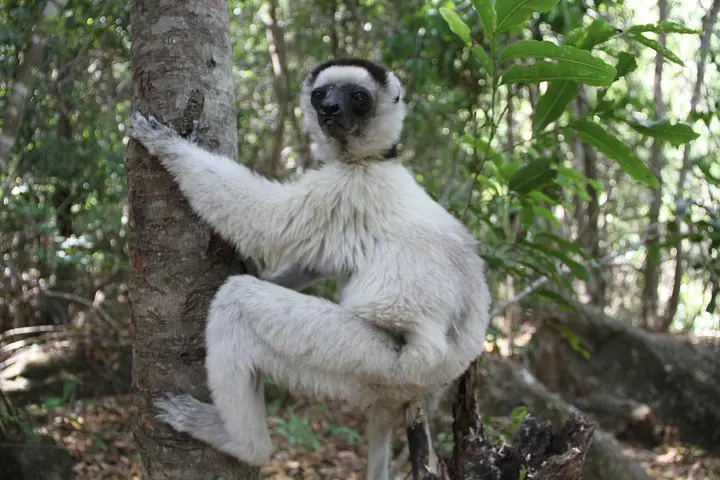
Practical essentials: travel light but bring sturdy hiking shoes for sharp limestone, dry bags for electronics, and plenty of water treatment options—river water should be filtered or boiled. Plan this trip in the dry season to avoid swollen channels and ferry disruptions; be prepared for rustic toilets and basic hotel stays in towns. Guides and local crews handle boats and logistics, but climbers with exposure sensitivity should assess the Tsingy sections beforehand. The reward is straightforward: close wildlife sightings, surreal karst vistas, and the Allée des Baobabs sunset to close the loop.
Expect simple river camping on white-sand banks with tents provided; facilities are basic and generally without running water or electricity.
The Grand Tsingy includes narrow ledges, ladders and a suspension bridge—not ideal for very young children or those with severe fear of heights; the Petit Tsingy has gentler options.
The dry season (April–November) offers the most reliable river levels and road access; the wet season can make tracks impassable and increase mosquito activity.
Yes—local guides, boatmen and 4x4 drivers are included; guides handle navigation, camp setup and coordinate local village visits.
Mada Diary Tour operates guided outdoor trips and adventures with an emphasis on safety, stewardship, and memorable experiences.

The barge slips away from Miandrivazo at dawn, riverbanks blurring into cliffs and baobab silhouettes. Heat lifts off the water; kingfishers flit like punctuation along reed-lined channels as the Tsiribihina dares you forward. Night falls on white-sand bivouacs where stars feel close enough to touch.
The barge slips away from Miandrivazo at dawn, riverbanks blurring into cliffs and baobab silhouettes. Heat lifts off the water; kingfishers flit like punctuation along reed-lined channels as the Tsiribihina dares you forward. Night falls on white-sand bivouacs where stars feel close enough to touch.
This itinerary pairs a 160 km descent of the Tsiribihina River with a visit to Tsingy de Bemaraha, a UNESCO-listed karst landscape of razor limestone pinnacles. Geologically, the Tsingy formed from uplifted coral and limestone eroded into vertical needles, caves and narrow canyons. Culturally, the route crosses Sakalava country—villages where zebu and local taboos (fady) shape daily life and hospitality.
Expect a mix of slow barge travel and short canoe rides, simple nights under canvas on sandbanks, and 4x4 transfers over rough piste to Bekopaka. Trails in the Petit and Grand Tsingy include rope-protected scrambles, a suspension bridge crossing, and short cave passages that hint at prehistoric human use.
Practical essentials: travel light but bring sturdy hiking shoes for sharp limestone, dry bags for electronics, and plenty of water treatment options—river water should be filtered or boiled. Plan this trip in the dry season to avoid swollen channels and ferry disruptions; be prepared for rustic toilets and basic hotel stays in towns. Guides and local crews handle boats and logistics, but climbers with exposure sensitivity should assess the Tsingy sections beforehand. The reward is straightforward: close wildlife sightings, surreal karst vistas, and the Allée des Baobabs sunset to close the loop.