THE ADVENTURE COLLECTIVE® · Independent discovery and booking for outdoor travel

Meet rescued wolves on a guided, educational tour through the Tsitsikamma forest. Learn how this non-breeding, non-touch sanctuary on the Garden Route blends rescue work with community-based conservation.
Meet rescued wolves on a guided, educational tour through the Tsitsikamma forest. Learn how this non-breeding, non-touch sanctuary on the Garden Route blends rescue work with community-based conservation.
You arrive through a corridor of sandstone ridges and ancient forest where wind and surf trade places in the same breath. The sanctuary sits on the inland edge of the Tsitsikamma coastline; trees lean toward the ocean as if listening for the wolves’ calls, and on the guided tour those calls trace the contours of a very different wild.
Verified experiences and guided adventures in the surrounding area.
Operated by Tsitsikamma Wolf Sanctuary · Storms River, Eastern Cape
You arrive through a corridor of sandstone ridges and ancient forest where wind and surf trade places in the same breath. The sanctuary sits on the inland edge of the Tsitsikamma coastline; trees lean toward the ocean as if listening for the wolves’ calls, and on the guided tour those calls trace the contours of a very different wild.
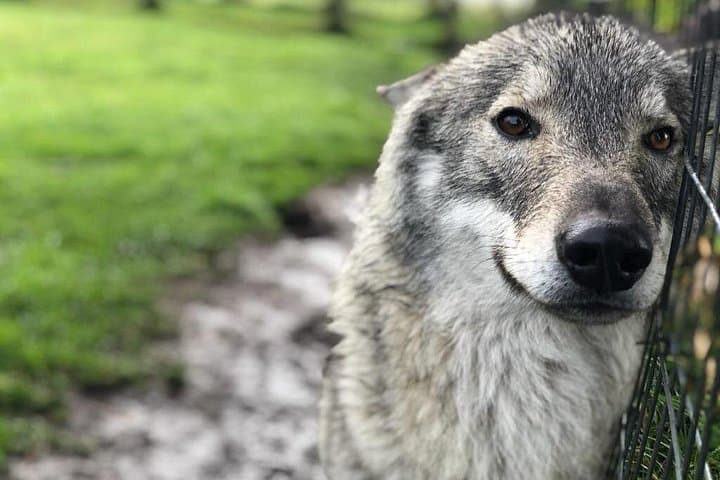
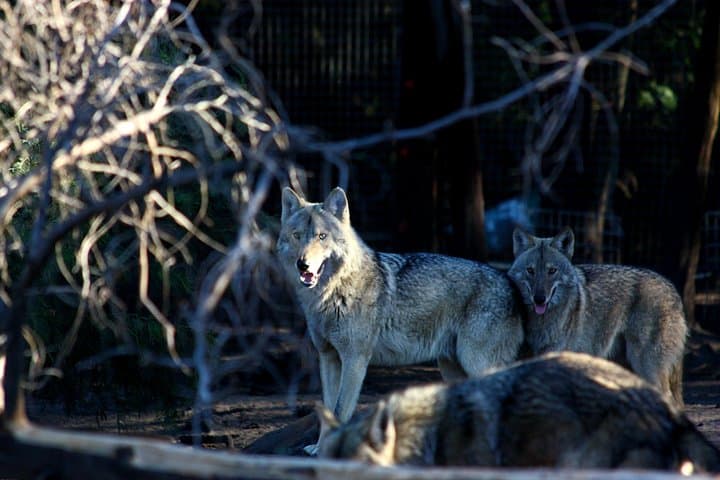
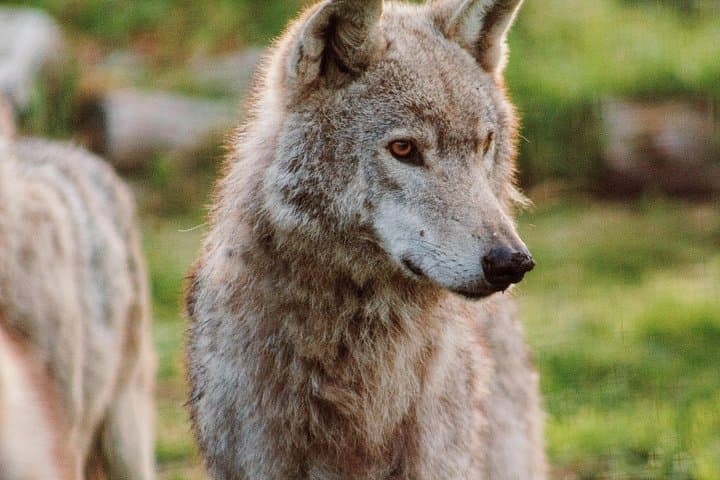
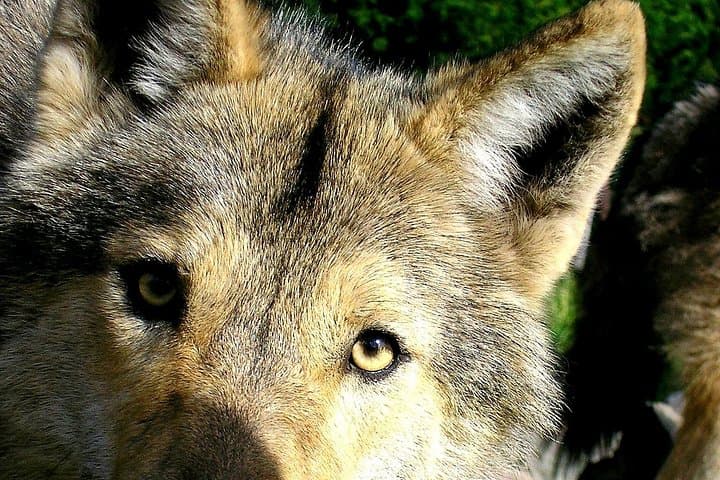
Founded in 2001, the Tsitsikamma Wolf Sanctuary began as a refuge for surrendered Grey Timber wolves and wolf-dog crosses rescued from the exotic pet trade. The site operates as a true sanctuary: non-breeding, non-touch and non-trading. Geologically the area is shaped by Table Mountain sandstone and coastal ravines, which create sheltered enclosures and natural drainage that the sanctuary uses to mimic more natural terrain for the animals.
Culturally this stretch of the Garden Route blends Xhosa coastal communities, small fishing villages and the eco-tourism economy; the sanctuary’s educational programs feed directly into local conservation awareness. Expect a guided, educational walkthrough of enclosures with commentary on wolf behavior, rescue history and ethical care practices.
Practical notes: tours run about 60 minutes and are suitable for all fitness levels — paths are mostly flat but can be muddy after rain. The sanctuary enforces a strict no-contact policy; stay on the route, keep voices low and photography without flash is permitted. Bring sturdy shoes, a waterproof layer and binoculars for observing subtle social behavior from a respectful distance. Arrive early to avoid peak crowds and to catch the animals when they are most active.
No—Tsitsikamma Wolf Sanctuary enforces a strict no-touch policy to prioritize animal welfare and to prevent stress.
The site reports stroller access and mostly flat visitor paths; some routes may be uneven—check ahead for wheelchair assistance.
Tours are approximately 60 minutes and include an educational presentation and guided viewing of the animals.
No—external pets are not allowed to protect resident animals and reduce stress and disease risk.
Tsitsikamma Wolf Sanctuary operates guided outdoor trips and adventures with an emphasis on safety, stewardship, and memorable experiences.
You arrive through a corridor of sandstone ridges and ancient forest where wind and surf trade places in the same breath. The sanctuary sits on the inland edge of the Tsitsikamma coastline; trees lean toward the ocean as if listening for the wolves’ calls, and on the guided tour those calls trace the contours of a very different wild.
You arrive through a corridor of sandstone ridges and ancient forest where wind and surf trade places in the same breath. The sanctuary sits on the inland edge of the Tsitsikamma coastline; trees lean toward the ocean as if listening for the wolves’ calls, and on the guided tour those calls trace the contours of a very different wild.
Founded in 2001, the Tsitsikamma Wolf Sanctuary began as a refuge for surrendered Grey Timber wolves and wolf-dog crosses rescued from the exotic pet trade. The site operates as a true sanctuary: non-breeding, non-touch and non-trading. Geologically the area is shaped by Table Mountain sandstone and coastal ravines, which create sheltered enclosures and natural drainage that the sanctuary uses to mimic more natural terrain for the animals.
Culturally this stretch of the Garden Route blends Xhosa coastal communities, small fishing villages and the eco-tourism economy; the sanctuary’s educational programs feed directly into local conservation awareness. Expect a guided, educational walkthrough of enclosures with commentary on wolf behavior, rescue history and ethical care practices.
Practical notes: tours run about 60 minutes and are suitable for all fitness levels — paths are mostly flat but can be muddy after rain. The sanctuary enforces a strict no-contact policy; stay on the route, keep voices low and photography without flash is permitted. Bring sturdy shoes, a waterproof layer and binoculars for observing subtle social behavior from a respectful distance. Arrive early to avoid peak crowds and to catch the animals when they are most active.