THE ADVENTURE COLLECTIVE® · Independent discovery and booking for outdoor travel

A remote, culturally rich trek through Nepal’s Tsum Valley and Manaslu region. Expect high passes, teahouse nights, Tibetan-influenced villages, and strict permit requirements for this lesser-traveled Himalayan route.
A remote, culturally rich trek through Nepal’s Tsum Valley and Manaslu region. Expect high passes, teahouse nights, Tibetan-influenced villages, and strict permit requirements for this lesser-traveled Himalayan route.
The trail opens with a thin ribbon of dust and prayer flags, the air sharpening as you climb out of the subtropical foothills and into stone-built villages where yaks graze like islands of patience. Peaks push the skyline into hard white; the Tsum Valley tucks behind a shoulder of ridgeline, a quieter pocket where gompas watch over mani walls and the wind seems to speak in Tibetan phrases.
Verified experiences and guided adventures in the surrounding area.
Operated by Pariwar Holidays Pvt Ltd · Arughat, Gandaki Province
The trail opens with a thin ribbon of dust and prayer flags, the air sharpening as you climb out of the subtropical foothills and into stone-built villages where yaks graze like islands of patience. Peaks push the skyline into hard white; the Tsum Valley tucks behind a shoulder of ridgeline, a quieter pocket where gompas watch over mani walls and the wind seems to speak in Tibetan phrases.
Geologically this is young mountain country—the Himalaya still rising—carved by glaciers and the Budhi Gandaki’s sudden gorges. Culturally the valley still bears strong Tibetan influence: chortens, butter lamps and family customs persist from an era when the border was closed to outsiders. The Manaslu side carries a wilder feel, with high passes and broad moraine fields that test both footing and patience.
Practically, this is a guided high‑altitude trek through remote terrain. Expect long days of steady ascent and descent, basic teahouse stays that range from modest to rustic, and necessary permits for the Manaslu restricted zone. Water needs treating; weather shifts quickly—sun can burn during midday and snow can close passes within hours.
Prepare with layered insulation, sturdy boots and a sleeping bag rated for single‑digit freezing. Plan for 2–3 weeks on trail, acclimatize at lower elevations, and travel with a licensed guide. Do this trip for the solitude and the cultural depth: monasteries, mani stones and a valley that still guards some of its old rules.
Yes — the Manaslu Restricted Area Permit and TIMS are required; Tsum Valley falls under special regulations so permits and a licensed guide are mandatory.
The prime windows are pre-monsoon (March–May) and post-monsoon (September–November) for stable weather and clearer views.
Mostly basic teahouses with shared rooms, simple meals, and intermittent hot water; expect more rustic options inside Tsum Valley itself.
There is a real risk—several nights exceed 3,000–4,000 m and there are high passes; proper acclimatization, hydration, and awareness of symptoms are essential.
Pariwar Holidays Pvt Ltd operates guided outdoor trips and adventures with an emphasis on safety, stewardship, and memorable experiences.
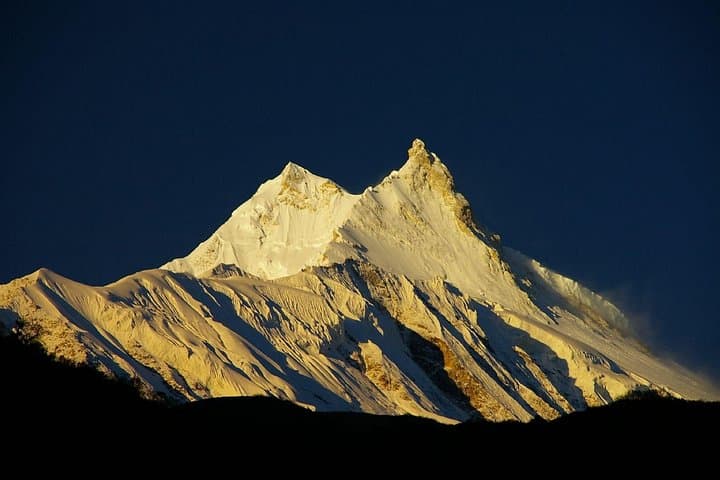


The trail opens with a thin ribbon of dust and prayer flags, the air sharpening as you climb out of the subtropical foothills and into stone-built villages where yaks graze like islands of patience. Peaks push the skyline into hard white; the Tsum Valley tucks behind a shoulder of ridgeline, a quieter pocket where gompas watch over mani walls and the wind seems to speak in Tibetan phrases.
The trail opens with a thin ribbon of dust and prayer flags, the air sharpening as you climb out of the subtropical foothills and into stone-built villages where yaks graze like islands of patience. Peaks push the skyline into hard white; the Tsum Valley tucks behind a shoulder of ridgeline, a quieter pocket where gompas watch over mani walls and the wind seems to speak in Tibetan phrases.
Geologically this is young mountain country—the Himalaya still rising—carved by glaciers and the Budhi Gandaki’s sudden gorges. Culturally the valley still bears strong Tibetan influence: chortens, butter lamps and family customs persist from an era when the border was closed to outsiders. The Manaslu side carries a wilder feel, with high passes and broad moraine fields that test both footing and patience.
Practically, this is a guided high‑altitude trek through remote terrain. Expect long days of steady ascent and descent, basic teahouse stays that range from modest to rustic, and necessary permits for the Manaslu restricted zone. Water needs treating; weather shifts quickly—sun can burn during midday and snow can close passes within hours.
Prepare with layered insulation, sturdy boots and a sleeping bag rated for single‑digit freezing. Plan for 2–3 weeks on trail, acclimatize at lower elevations, and travel with a licensed guide. Do this trip for the solitude and the cultural depth: monasteries, mani stones and a valley that still guards some of its old rules.