THE ADVENTURE COLLECTIVE® · Independent discovery and booking for outdoor travel

A remote loop into Nepal’s Tsum Valley, this 14‑day trek threads Tibetan Buddhist villages, high passes, and panoramic views of Manaslu and Ganesh Himal. Prepare for long days, basic teahouse stays, and high‑altitude walking with rich cultural payoffs.
A remote loop into Nepal’s Tsum Valley, this 14‑day trek threads Tibetan Buddhist villages, high passes, and panoramic views of Manaslu and Ganesh Himal. Prepare for long days, basic teahouse stays, and high‑altitude walking with rich cultural payoffs.
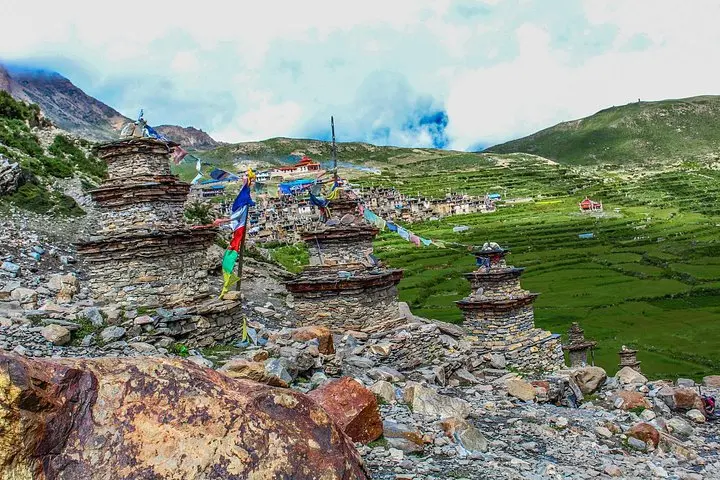
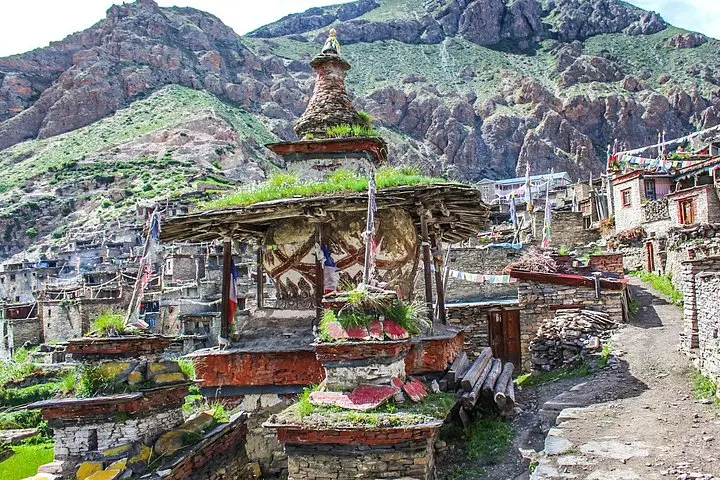
The path narrows and the Budhi Gandaki River rides the valley like a daring current, pushing you farther from roads and radio. On the Tsum Valley Trek the trail slips through chestnut forests, past terraced fields, and into villages whose inhabitants still speak Tibetan dialects and keep prayer flags flapping against a high Himalayan sky.
Verified experiences and guided adventures in the surrounding area.
Operated by Mount Advenutre Holidays · Arughat, Gandaki Province
The path narrows and the Budhi Gandaki River rides the valley like a daring current, pushing you farther from roads and radio. On the Tsum Valley Trek the trail slips through chestnut forests, past terraced fields, and into villages whose inhabitants still speak Tibetan dialects and keep prayer flags flapping against a high Himalayan sky.
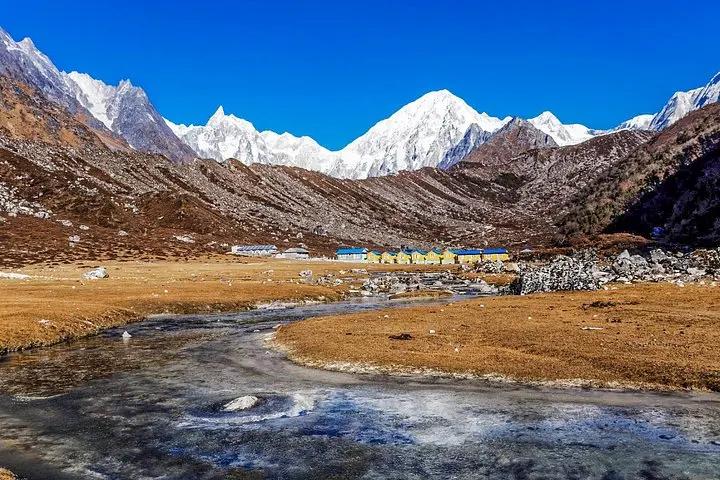
Geologically the valley sits in the rain shadow of the Manaslu massif and Ganesh Himal, carved by glacial melt and uplifted by the collision of the Indian and Eurasian plates; cliffs and moraine shelves frame views of Manaslu (8,163 m) and Ganesh Himal (7,422 m). The region opened to outsiders only in 2008, preserving distinctive Tibetan Buddhist monasteries, mani walls, and villagers of Tibetan origin who practice agriculture and yak herding.
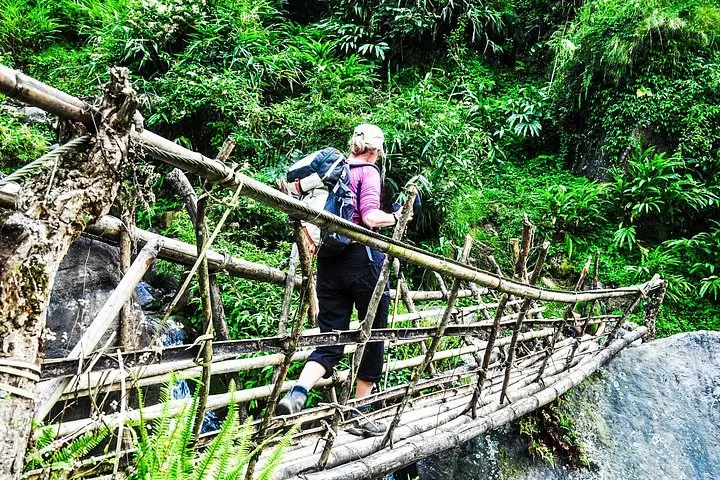
Expect long days on variable terrain — packed earth, stone staircases, and river crossings — and a highest overnight near 3,700 m at Mu Gompa; guesthouses provide basic meals and a warm place to sleep but little in the way of luxury.
Practical guidance: obtain ACAP/Manaslu and Tsum Valley permits ahead of departure, build in acclimatization days, and pack layers for large diurnal swings. Bring cash for teahouses and tips; expect multi-hour treks each day (5–7 hours common) and remote phone coverage. Hydrate, test your footwear before the trail, and respect local customs: remove hats in monasteries and ask before photographing people. The route rewards patience — close cultural encounters, quiet alpine views, and the worn stones of a landscape that asks you to travel slowly.
Yes — you must carry ACAP/MCAP permits plus the Manaslu/Tsum restricted area permit; arrange them ahead of the trek through your operator.
Spring (March–May) and autumn (September–November) offer the most stable weather and clearer mountain views; monsoon can be wet and winter brings heavy cold and snow.
Yes, the itinerary stays in village guesthouses/teahouses with basic meals and shared rooms, though comforts vary between settlements.
The trek reaches roughly 3,700 m at Mu Gompa; altitude sickness is a real risk—pace yourself, hydrate, and include acclimatization days.
Mount Advenutre Holidays operates guided outdoor trips and adventures with an emphasis on safety, stewardship, and memorable experiences.
The path narrows and the Budhi Gandaki River rides the valley like a daring current, pushing you farther from roads and radio. On the Tsum Valley Trek the trail slips through chestnut forests, past terraced fields, and into villages whose inhabitants still speak Tibetan dialects and keep prayer flags flapping against a high Himalayan sky.
The path narrows and the Budhi Gandaki River rides the valley like a daring current, pushing you farther from roads and radio. On the Tsum Valley Trek the trail slips through chestnut forests, past terraced fields, and into villages whose inhabitants still speak Tibetan dialects and keep prayer flags flapping against a high Himalayan sky.
Geologically the valley sits in the rain shadow of the Manaslu massif and Ganesh Himal, carved by glacial melt and uplifted by the collision of the Indian and Eurasian plates; cliffs and moraine shelves frame views of Manaslu (8,163 m) and Ganesh Himal (7,422 m). The region opened to outsiders only in 2008, preserving distinctive Tibetan Buddhist monasteries, mani walls, and villagers of Tibetan origin who practice agriculture and yak herding.
Expect long days on variable terrain — packed earth, stone staircases, and river crossings — and a highest overnight near 3,700 m at Mu Gompa; guesthouses provide basic meals and a warm place to sleep but little in the way of luxury.
Practical guidance: obtain ACAP/Manaslu and Tsum Valley permits ahead of departure, build in acclimatization days, and pack layers for large diurnal swings. Bring cash for teahouses and tips; expect multi-hour treks each day (5–7 hours common) and remote phone coverage. Hydrate, test your footwear before the trail, and respect local customs: remove hats in monasteries and ask before photographing people. The route rewards patience — close cultural encounters, quiet alpine views, and the worn stones of a landscape that asks you to travel slowly.