THE ADVENTURE COLLECTIVE® · Independent discovery and booking for outdoor travel

A 13–15 day trek through a recently opened Himalayan valley, Tsum Valley winds from lowland forests to Mu Gompa (3,700 m), passing Milarepa’s caves and traditional Tibetan-influenced villages. Expect multi‑day teahouse stays, steady altitude gain, and culturally rich mountain scenery.
A 13–15 day trek through a recently opened Himalayan valley, Tsum Valley winds from lowland forests to Mu Gompa (3,700 m), passing Milarepa’s caves and traditional Tibetan-influenced villages. Expect multi‑day teahouse stays, steady altitude gain, and culturally rich mountain scenery.
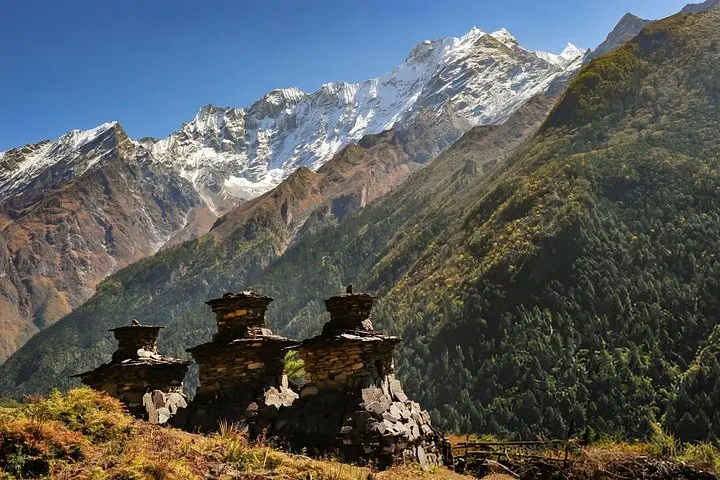
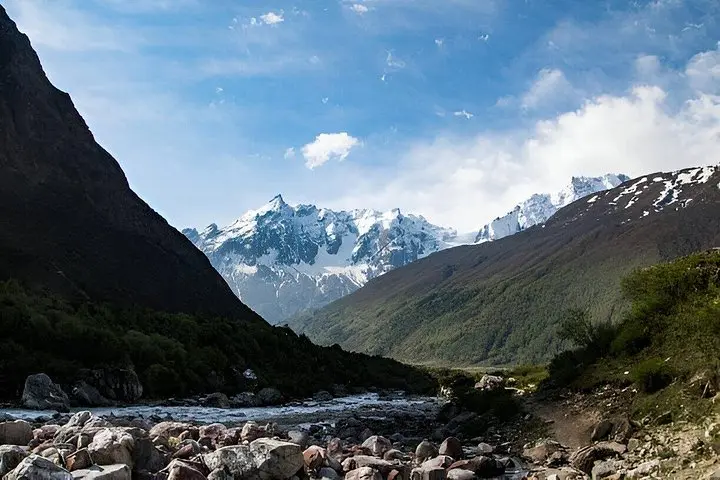
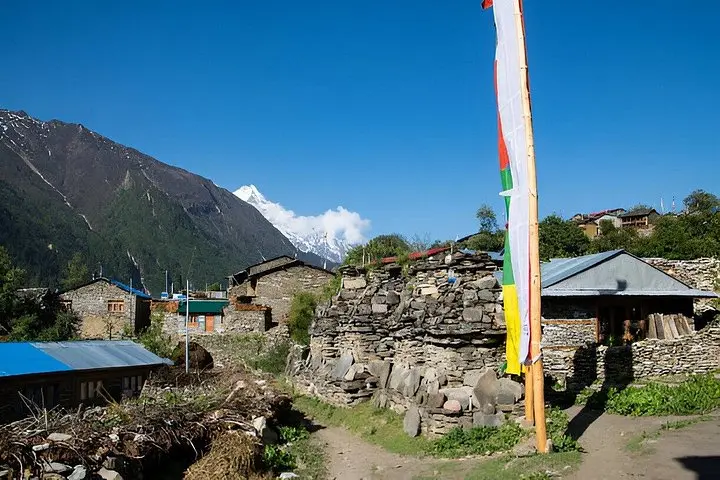
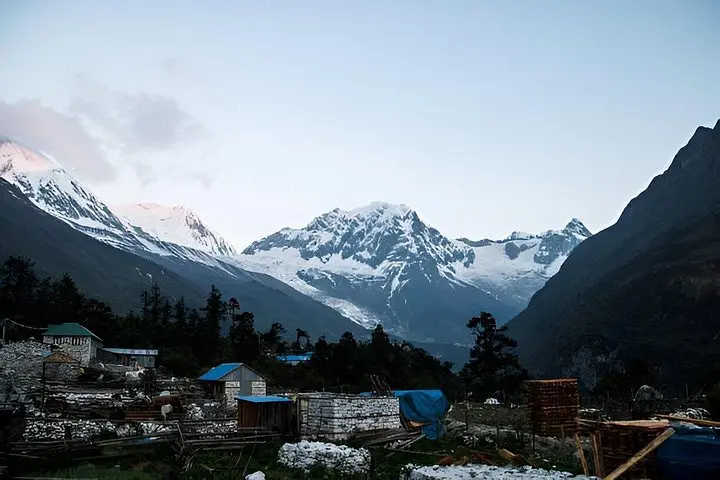
A thin, cold light settles on the Budhi Gandaki as you leave the lowland sal forests and begin to climb through pine and rhododendron. Paths tighten, prayer flags appear, and the air sharpens with altitude as villages with flat-roofed houses and mani walls slide past. The highest point, Mu Gompa, perches near the Tibetan border at about 3,700 m, rewarding steady effort with widening vistas of Ganesh Himal and the serrated ridgelines that guard the valley.
Verified experiences and guided adventures in the surrounding area.
Operated by World Himalaya Treks & Expeditions · Chumling, Gandaki Province
A thin, cold light settles on the Budhi Gandaki as you leave the lowland sal forests and begin to climb through pine and rhododendron. Paths tighten, prayer flags appear, and the air sharpens with altitude as villages with flat-roofed houses and mani walls slide past. The highest point, Mu Gompa, perches near the Tibetan border at about 3,700 m, rewarding steady effort with widening vistas of Ganesh Himal and the serrated ridgelines that guard the valley.
Tsum Valley is a cultural island — opened to outsiders only in 2007 — where Tibetan Buddhism and Gurung traditions intersect. Geologically the route follows the Budhi Gandaki’s carved gorge, moving from subtropical river terraces to alpine pastures and glacial‑fed streams. Along the way you’ll pass centuries‑old gompas, Milarepa’s meditation caves, yak pastures, and villages like Chumling, Chhokangparo, Nile and Lokpa that still spin prayer wheels by hand.
Practically, expect 4–8 hour walking days, steep ascents between villages and sustained altitude gain from ~900 m to 3,700 m over the trek. Accommodation is teahouse‑style; carry layered clothing, a warm sleeping liner, and hard cash for small purchases. Acclimatize deliberately — build rest days, drink often, and watch for headache or breathlessness. Trails can be rocky and muddy; good boots and trekking poles will make long descents kinder on knees. The reward is remoteness: clear mountain nights, monastery chants, and a landscape that still dares you to slow down and look closely.
Yes—Tsum Valley requires a restricted area permit as well as the standard Annapurna Conservation Area or Manaslu region permits depending on route; your operator will help obtain them.
Teahouse accommodation is basic: shared rooms, simple mattresses, and communal dining; higher‑elevation services are limited so bring a warm sleeping liner.
It's best for trekkers with prior multi‑day experience due to long days and altitude; beginners should train and consider shorter treks first.
Autumn (Sept–Nov) and spring (Mar–May) offer the best balance of weather, clear views, and trail conditions.
World Himalaya Treks & Expeditions operates guided outdoor trips and adventures with an emphasis on safety, stewardship, and memorable experiences.
A thin, cold light settles on the Budhi Gandaki as you leave the lowland sal forests and begin to climb through pine and rhododendron. Paths tighten, prayer flags appear, and the air sharpens with altitude as villages with flat-roofed houses and mani walls slide past. The highest point, Mu Gompa, perches near the Tibetan border at about 3,700 m, rewarding steady effort with widening vistas of Ganesh Himal and the serrated ridgelines that guard the valley.
A thin, cold light settles on the Budhi Gandaki as you leave the lowland sal forests and begin to climb through pine and rhododendron. Paths tighten, prayer flags appear, and the air sharpens with altitude as villages with flat-roofed houses and mani walls slide past. The highest point, Mu Gompa, perches near the Tibetan border at about 3,700 m, rewarding steady effort with widening vistas of Ganesh Himal and the serrated ridgelines that guard the valley.
Tsum Valley is a cultural island — opened to outsiders only in 2007 — where Tibetan Buddhism and Gurung traditions intersect. Geologically the route follows the Budhi Gandaki’s carved gorge, moving from subtropical river terraces to alpine pastures and glacial‑fed streams. Along the way you’ll pass centuries‑old gompas, Milarepa’s meditation caves, yak pastures, and villages like Chumling, Chhokangparo, Nile and Lokpa that still spin prayer wheels by hand.
Practically, expect 4–8 hour walking days, steep ascents between villages and sustained altitude gain from ~900 m to 3,700 m over the trek. Accommodation is teahouse‑style; carry layered clothing, a warm sleeping liner, and hard cash for small purchases. Acclimatize deliberately — build rest days, drink often, and watch for headache or breathlessness. Trails can be rocky and muddy; good boots and trekking poles will make long descents kinder on knees. The reward is remoteness: clear mountain nights, monastery chants, and a landscape that still dares you to slow down and look closely.