THE ADVENTURE COLLECTIVE® · Independent discovery and booking for outdoor travel

Tour Anuradhapura by tuk tuk to see monumental stupas, sacred trees and quiet monastic compounds with a local driver-guide. This private, flexible ride moves through centuries of history while keeping stops short and practical for any traveler.
Tour Anuradhapura by tuk tuk to see monumental stupas, sacred trees and quiet monastic compounds with a local driver-guide. This private, flexible ride moves through centuries of history while keeping stops short and practical for any traveler.
You pull up to a low-slung tuk tuk as early light brushes the tops of ancient brick stupas; the driver offers a nod and a cold bottle of water, and the city of stone unfurls around you. Streets give way to wide, grassy courtyards where whitewashed dagobas puncture the skyline and monks move like slow weathered prayers.
Verified experiences and guided adventures in the surrounding area.
Operated by Serandeep Journeys · Anuradhapura, North Central Province
You pull up to a low-slung tuk tuk as early light brushes the tops of ancient brick stupas; the driver offers a nod and a cold bottle of water, and the city of stone unfurls around you. Streets give way to wide, grassy courtyards where whitewashed dagobas puncture the skyline and monks move like slow weathered prayers.
Anuradhapura was Sri Lanka’s first capital from the 4th century BCE and remains a living repository of Buddhist devotion. The site sits on a flat plain of red-brown alluvium; its stupas, reservoirs and monastic complexes reflect centuries of hydraulic engineering and vernacular brickwork that shaped the island’s rural culture.
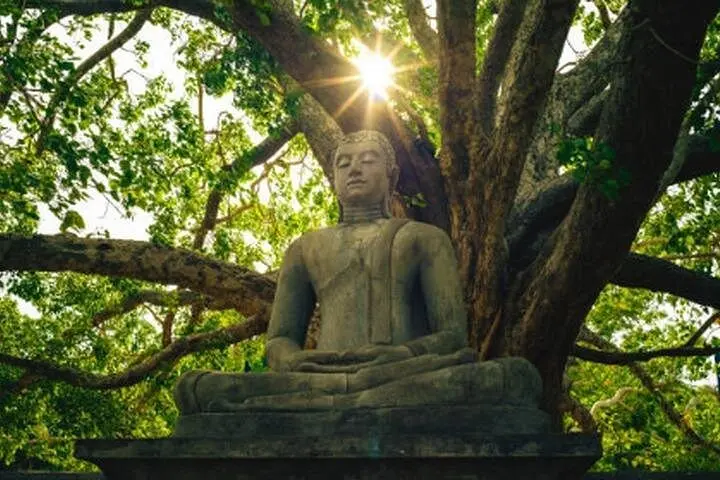
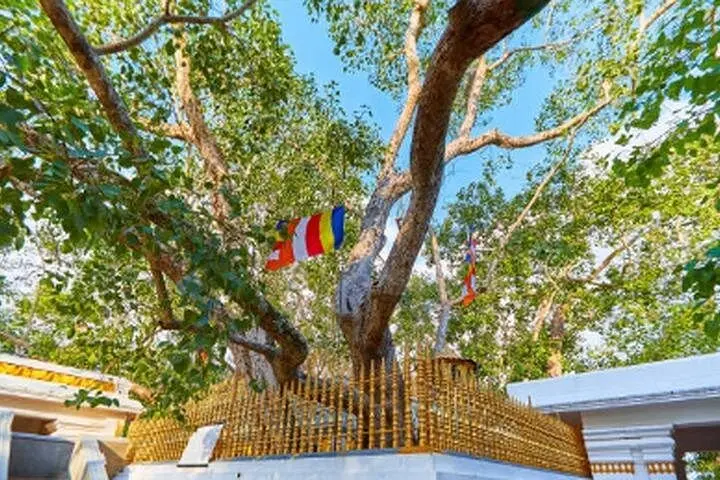
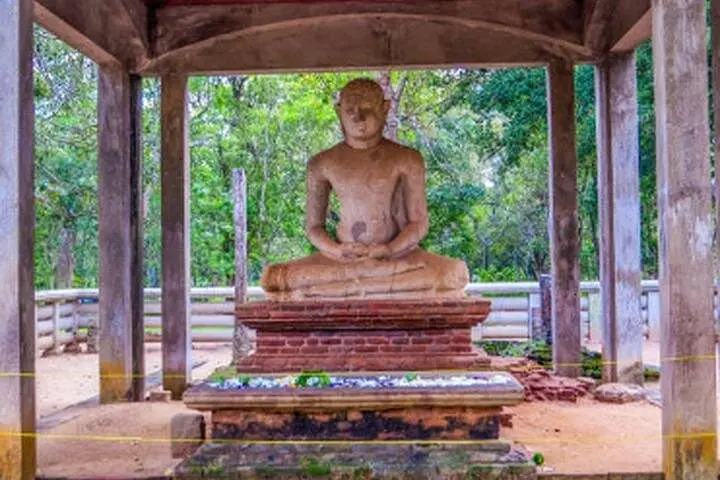
Culturally the walk — or drive — through these ruins is a study in continuity: the Sri Maha Bodhi, a sapling from the Buddha’s fig tree, still draws pilgrims who perform offerings; Jetavanaramaya and Ruwanwelisaya show ancient ambitions in scale. Local guides weave legend with practical context, pointing out moonstones, stone carvings and the faint lines of once-active irrigation channels.
Practical side: a private tuk tuk makes the site accessible and compact — expect 1–6 hours depending on how many stops you choose. Wear breathable shoes for uneven stone and dusty paths, carry sun protection and a refillable bottle; many sacred sites require modest dress (shoulders and knees covered). Plan afternoon visits to include Mihintale for a sunset ascent, or morning light for photography and cooler temperatures. The tour is low-impact physically but rich in sensory detail: the wind on the stupas, the scent of incense, and the small sounds of a place that has been watched for millennia.
Tours are flexible; most range from one hour for a quick loop to a half- or full-day (up to six hours) if you include Mihintale or multiple temple stops.
Most stupas and shrines are free to visit, though some museums or special sites may charge a small admission—confirm with your operator ahead of time.
Yes—tuk tuks reduce walking distance, but note that some stair climbs and uneven ground can be challenging; the tour is rated easy physically.
Yes—private tuk tuk tours are flexible; adding Mihintale for sunset or sunrise is a common upgrade but will extend the tour duration.
Serandeep Journeys operates guided outdoor trips and adventures with an emphasis on safety, stewardship, and memorable experiences.
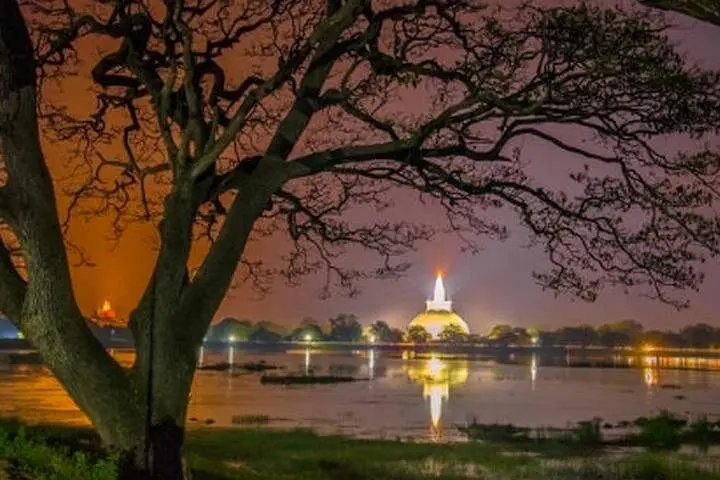
You pull up to a low-slung tuk tuk as early light brushes the tops of ancient brick stupas; the driver offers a nod and a cold bottle of water, and the city of stone unfurls around you. Streets give way to wide, grassy courtyards where whitewashed dagobas puncture the skyline and monks move like slow weathered prayers.
You pull up to a low-slung tuk tuk as early light brushes the tops of ancient brick stupas; the driver offers a nod and a cold bottle of water, and the city of stone unfurls around you. Streets give way to wide, grassy courtyards where whitewashed dagobas puncture the skyline and monks move like slow weathered prayers.
Anuradhapura was Sri Lanka’s first capital from the 4th century BCE and remains a living repository of Buddhist devotion. The site sits on a flat plain of red-brown alluvium; its stupas, reservoirs and monastic complexes reflect centuries of hydraulic engineering and vernacular brickwork that shaped the island’s rural culture.
Culturally the walk — or drive — through these ruins is a study in continuity: the Sri Maha Bodhi, a sapling from the Buddha’s fig tree, still draws pilgrims who perform offerings; Jetavanaramaya and Ruwanwelisaya show ancient ambitions in scale. Local guides weave legend with practical context, pointing out moonstones, stone carvings and the faint lines of once-active irrigation channels.
Practical side: a private tuk tuk makes the site accessible and compact — expect 1–6 hours depending on how many stops you choose. Wear breathable shoes for uneven stone and dusty paths, carry sun protection and a refillable bottle; many sacred sites require modest dress (shoulders and knees covered). Plan afternoon visits to include Mihintale for a sunset ascent, or morning light for photography and cooler temperatures. The tour is low-impact physically but rich in sensory detail: the wind on the stupas, the scent of incense, and the small sounds of a place that has been watched for millennia.