THE ADVENTURE COLLECTIVE® · Independent discovery and booking for outdoor travel

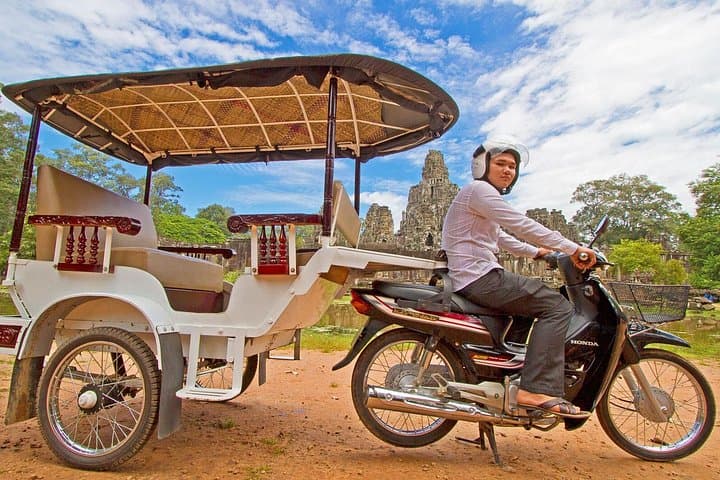
Ride a tuk‑tuk across the flat plains of Angkor, moving from sunrise at Angkor Wat through the stone forests of Ta Prohm and the carved galleries of Bayon. This private full‑day tour pairs mobility with walking at the temples for a concentrated, culturally rich day.
Ride a tuk‑tuk across the flat plains of Angkor, moving from sunrise at Angkor Wat through the stone forests of Ta Prohm and the carved galleries of Bayon. This private full‑day tour pairs mobility with walking at the temples for a concentrated, culturally rich day.
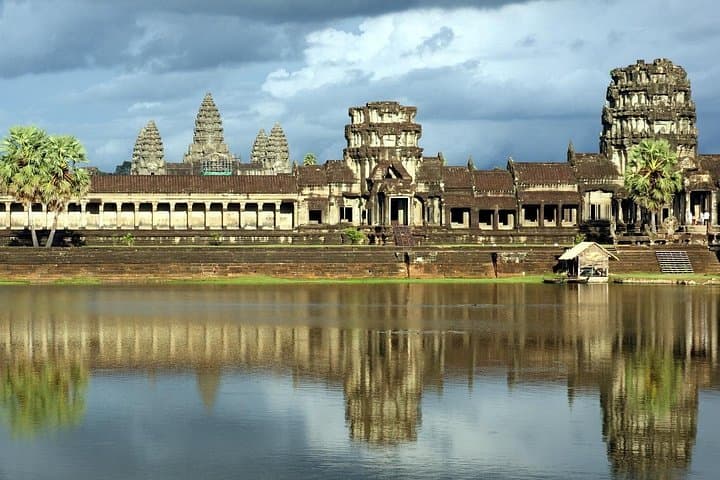
Dawn arrives like a slow exhale over the reflecting moat of Angkor Wat; your tuk‑tuk rumbles to life and the driver steers you through a lane where humidity makes stone steam. You move between tree roots that have audaciously reclaimed walls at Ta Prohm, past the calm faces of Bayon watching over the old royal city, and onto terraces carved with elephants and kings — every turn feels like stepping into a ruined chronicle.
Verified experiences and guided adventures in the surrounding area.
Operated by Green Era Travel · Siem Reap, Siem Reap Province
Dawn arrives like a slow exhale over the reflecting moat of Angkor Wat; your tuk‑tuk rumbles to life and the driver steers you through a lane where humidity makes stone steam. You move between tree roots that have audaciously reclaimed walls at Ta Prohm, past the calm faces of Bayon watching over the old royal city, and onto terraces carved with elephants and kings — every turn feels like stepping into a ruined chronicle.
Angkor Wat was raised in the early 12th century by King Suryavarman II and later neighbored by Jayavarman VII’s fortified Angkor Thom. The complex sits on flat alluvial plains once fed by an elaborate Khmer water management system; many temples align with celestial and hydraulic logic rather than random placement. Local culture remains steeped in Buddhist practice, with monks and markets still part of daily life around Siem Reap.
Practically, the tour covers multiple sites across a 6–7 hour day by tuk‑tuk — Angkor Wat, Angkor Thom and Bayon, Terrace of the Elephants, Ta Prohm and nearby terraces. Expect uneven stone steps, shaded galleries and open courtyards; bring water, sun protection and modest clothing for temple entry. Sunrise or late afternoon light is best for photography and to avoid heat and crowds. Guides and drivers will handle navigation and logistics, but you’ll walk between highlights on foot, so comfortable shoes and a steady pace matter.
Respect ropes and signs, carry small change for donations or tips, and keep plastic out of drains — the parks rely on entrance fees for conservation and site maintenance.
No; the tour does not include the official Angkor Archaeological Park pass — buy it at the park entrance or ticket office in Siem Reap before entering.
The private tuk‑tuk tour runs about 6–7 hours and typically includes Angkor Wat, Angkor Thom and Bayon, Terrace of the Elephants, Ta Prohm and nearby terraces.
The tour is generally suitable for families and those with moderate mobility, but it is not recommended for pregnant travelers due to heat and walking on uneven surfaces.
Tipping is customary: small gratuities for a full‑day private driver and guide are appreciated and help support local livelihoods.
Green Era Travel operates guided outdoor trips and adventures with an emphasis on safety, stewardship, and memorable experiences.


Dawn arrives like a slow exhale over the reflecting moat of Angkor Wat; your tuk‑tuk rumbles to life and the driver steers you through a lane where humidity makes stone steam. You move between tree roots that have audaciously reclaimed walls at Ta Prohm, past the calm faces of Bayon watching over the old royal city, and onto terraces carved with elephants and kings — every turn feels like stepping into a ruined chronicle.
Dawn arrives like a slow exhale over the reflecting moat of Angkor Wat; your tuk‑tuk rumbles to life and the driver steers you through a lane where humidity makes stone steam. You move between tree roots that have audaciously reclaimed walls at Ta Prohm, past the calm faces of Bayon watching over the old royal city, and onto terraces carved with elephants and kings — every turn feels like stepping into a ruined chronicle.
Angkor Wat was raised in the early 12th century by King Suryavarman II and later neighbored by Jayavarman VII’s fortified Angkor Thom. The complex sits on flat alluvial plains once fed by an elaborate Khmer water management system; many temples align with celestial and hydraulic logic rather than random placement. Local culture remains steeped in Buddhist practice, with monks and markets still part of daily life around Siem Reap.
Practically, the tour covers multiple sites across a 6–7 hour day by tuk‑tuk — Angkor Wat, Angkor Thom and Bayon, Terrace of the Elephants, Ta Prohm and nearby terraces. Expect uneven stone steps, shaded galleries and open courtyards; bring water, sun protection and modest clothing for temple entry. Sunrise or late afternoon light is best for photography and to avoid heat and crowds. Guides and drivers will handle navigation and logistics, but you’ll walk between highlights on foot, so comfortable shoes and a steady pace matter.
Respect ropes and signs, carry small change for donations or tips, and keep plastic out of drains — the parks rely on entrance fees for conservation and site maintenance.