THE ADVENTURE COLLECTIVE® · Independent discovery and booking for outdoor travel

A full-day circuit that pairs the cavern drama of Tukad Cepung with Pengelipuran’s living traditions, a jungle bamboo grove, a rainforest swing and the carved portals of Goa Gajah—ideal for travelers who want culture, geology and a few short hikes in one day.
A full-day circuit that pairs the cavern drama of Tukad Cepung with Pengelipuran’s living traditions, a jungle bamboo grove, a rainforest swing and the carved portals of Goa Gajah—ideal for travelers who want culture, geology and a few short hikes in one day.
You arrive before midday and the jungle narrows into a shaft of light—Tukad Cepung’s cavernous opening funnels a curtain of water into a moss-slick bowl, dust motes catching the sun like tiny lanterns. The tour threads that cinematic moment with quiet village lanes, a bamboo grove that sounds like a wooden sea, and a wind-tossed swing that hangs over emerald rice terraces.
Verified experiences and guided adventures in the surrounding area.
Operated by Bali Adventours · Ubud, Bali
You arrive before midday and the jungle narrows into a shaft of light—Tukad Cepung’s cavernous opening funnels a curtain of water into a moss-slick bowl, dust motes catching the sun like tiny lanterns. The tour threads that cinematic moment with quiet village lanes, a bamboo grove that sounds like a wooden sea, and a wind-tossed swing that hangs over emerald rice terraces.
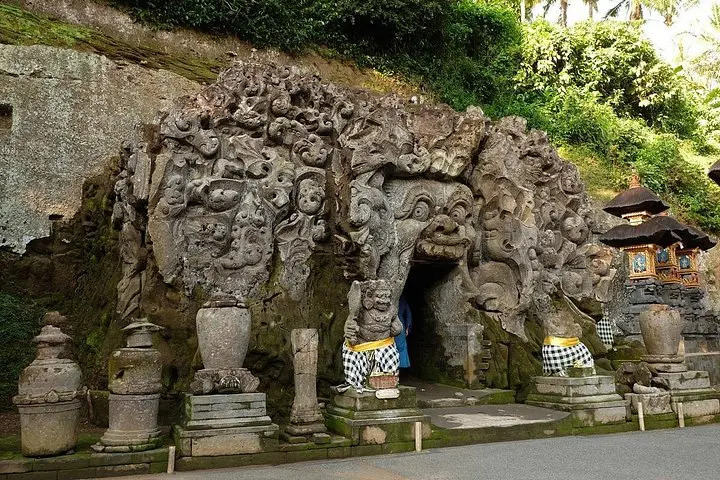
The route stitches together Bangli and Gianyar’s cultural layers: Pengelipuran Village preserves centuries-old Balinese compound layouts and stone gateways; neighboring Kehen Temple shows a blend of Hindu design with Chinese-influenced ornamentation. Geologically, the waterfall carves through volcanic tuff and river-cut sandstone, creating narrow canyons and steps that encourage short climbs and stooped entries. Goa Gajah (Elephant Cave) closes the loop with its carved entrance and ritual pools—sites shaped by ritual, agriculture, and Bali’s island volcanism.
Expect short walks (some uneven steps and wet rocks), photo stops, and local guide narration about temple rites and village life. Bring footwear with grip, a quick-dry shirt, and a small towel if you plan to wade. Plan for 7–10 hours: mornings are cooler and light is best for cavern shots; midafternoon can be busy at popular swings.
Practical tips: carry cash for small entrance fees and offerings, respect temple dress codes (sarong/ sash usually provided or rentable), and follow your guide on narrow paths to limit erosion and protect rice terraces. This day loop balances easy access with sensory payoff—water, stone, ritual, and views packed into a single, steady day on Bali’s central spine.
The itinerary runs about 7–10 hours (420–600 minutes) with hotel pickup and drop-off included.
Admissions for listed sites are included per the itinerary, but small local fees or optional extras may require cash.
The walk involves descending stairs and navigating a short stretch of damp, uneven rock; it’s accessible to most but not stroller-friendly.
Yes—temple visits require modest dress; sarongs/sashes are often available to borrow or rent at sites.
Bali Adventours operates guided outdoor trips and adventures with an emphasis on safety, stewardship, and memorable experiences.
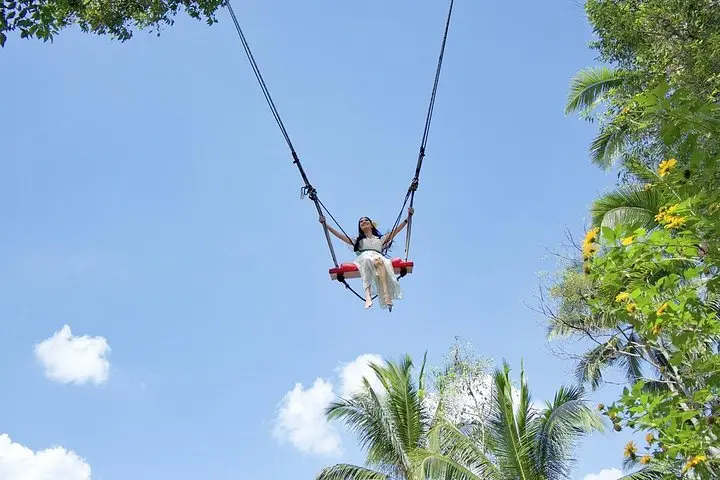

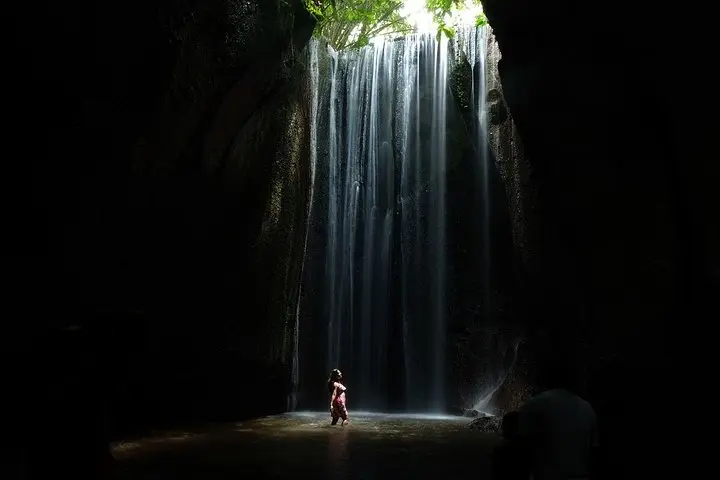
You arrive before midday and the jungle narrows into a shaft of light—Tukad Cepung’s cavernous opening funnels a curtain of water into a moss-slick bowl, dust motes catching the sun like tiny lanterns. The tour threads that cinematic moment with quiet village lanes, a bamboo grove that sounds like a wooden sea, and a wind-tossed swing that hangs over emerald rice terraces.
You arrive before midday and the jungle narrows into a shaft of light—Tukad Cepung’s cavernous opening funnels a curtain of water into a moss-slick bowl, dust motes catching the sun like tiny lanterns. The tour threads that cinematic moment with quiet village lanes, a bamboo grove that sounds like a wooden sea, and a wind-tossed swing that hangs over emerald rice terraces.
The route stitches together Bangli and Gianyar’s cultural layers: Pengelipuran Village preserves centuries-old Balinese compound layouts and stone gateways; neighboring Kehen Temple shows a blend of Hindu design with Chinese-influenced ornamentation. Geologically, the waterfall carves through volcanic tuff and river-cut sandstone, creating narrow canyons and steps that encourage short climbs and stooped entries. Goa Gajah (Elephant Cave) closes the loop with its carved entrance and ritual pools—sites shaped by ritual, agriculture, and Bali’s island volcanism.
Expect short walks (some uneven steps and wet rocks), photo stops, and local guide narration about temple rites and village life. Bring footwear with grip, a quick-dry shirt, and a small towel if you plan to wade. Plan for 7–10 hours: mornings are cooler and light is best for cavern shots; midafternoon can be busy at popular swings.
Practical tips: carry cash for small entrance fees and offerings, respect temple dress codes (sarong/ sash usually provided or rentable), and follow your guide on narrow paths to limit erosion and protect rice terraces. This day loop balances easy access with sensory payoff—water, stone, ritual, and views packed into a single, steady day on Bali’s central spine.