THE ADVENTURE COLLECTIVE® · Independent discovery and booking for outdoor travel

Spend an hour among the tulip rows at De Tulperij in Voorhout—guided access to production fields gives photographers and families a close-up spring spectacle. Expect guided entry, seasonal pastries in the greenhouse, and an educational walk for kids.
Spend an hour among the tulip rows at De Tulperij in Voorhout—guided access to production fields gives photographers and families a close-up spring spectacle. Expect guided entry, seasonal pastries in the greenhouse, and an educational walk for kids.
You step through the greenhouse door and the world opens into rows of color: tulip stems standing like small flags, a wind that teases petals and dares you to move closer. At De Tulperij a staff member guides you into the production field for a 45–60 minute photoshoot; the flowers lean toward the light, the rows creating natural frames for portraits and wide-angle shots alike.
Verified experiences and guided adventures in the surrounding area.
Operated by De Tulperij · Voorhout, South Holland
You step through the greenhouse door and the world opens into rows of color: tulip stems standing like small flags, a wind that teases petals and dares you to move closer. At De Tulperij a staff member guides you into the production field for a 45–60 minute photoshoot; the flowers lean toward the light, the rows creating natural frames for portraits and wide-angle shots alike.
This corner of South Holland sits inside the Bollenstreek, a bulb-growing plain shaped by glacial sands and intentional drainage—soil conditions that made tulip farming here a centuries-long industry. Tulips landed in Dutch culture as both commerce and celebration: bulb varieties perfected for export, and spring festivals that still draw photographers and cyclists. Local growers balance tradition and modern horticulture; staff can answer questions about planting cycles, varieties, and sustainable practices.
Plan for early light: mornings soften color and cut wind; afternoons bring richer shadows but more visitors. Shoes that can handle soft, sometimes muddy tracks are useful even though paths are maintained and wheelchair access is noted. Respect the crop—stay with your guide, avoid stepping on beds, and keep flash use moderate around bees. Children can join a short educational walk that introduces bulb life cycles and offers a small surprise at the end.
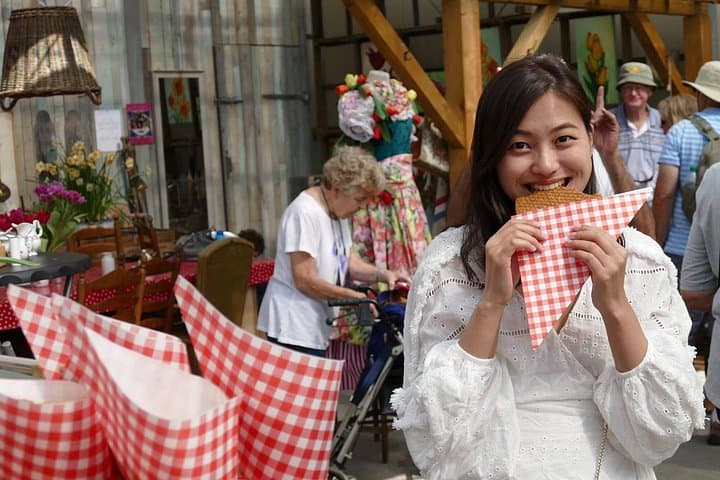
Practical: tickets are time-specific and start on time; refreshments (apple pie, tulip pastries, waffles) are available in the greenhouse. Whether you’re framing a close-up of a fringed tulip or composing a field-wide panorama, De Tulperij is a compact, low-effort spring outing that rewards careful timing and respectful behavior.
No—these are production fields. Picking is not allowed; follow staff guidance and designated paths to protect the bulbs and crops.
Yes—De Tulperij lists wheelchair-accessible surfaces and transportation; notify booking of special requirements for assistance.
Refreshments are available in the greenhouse (apple pie, tulip pastries, waffles) but are typically paid separately unless stated otherwise on your ticket.
Peak tulip bloom in the Bollenstreek is generally mid-March through mid-April; exact timing varies by season and weather.
De Tulperij operates guided outdoor trips and adventures with an emphasis on safety, stewardship, and memorable experiences.
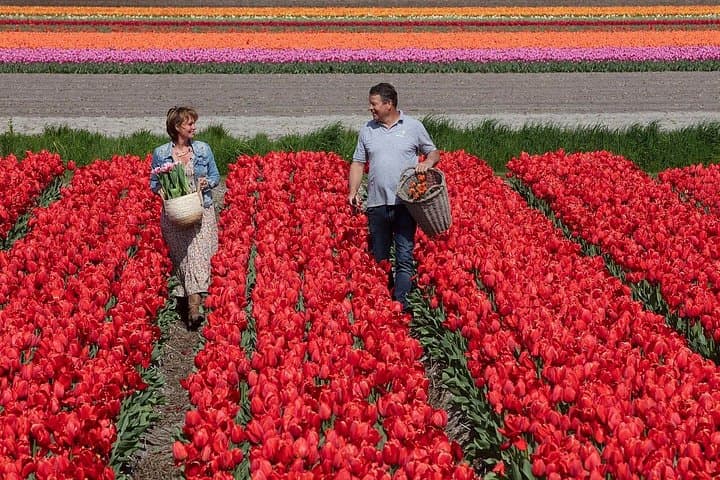
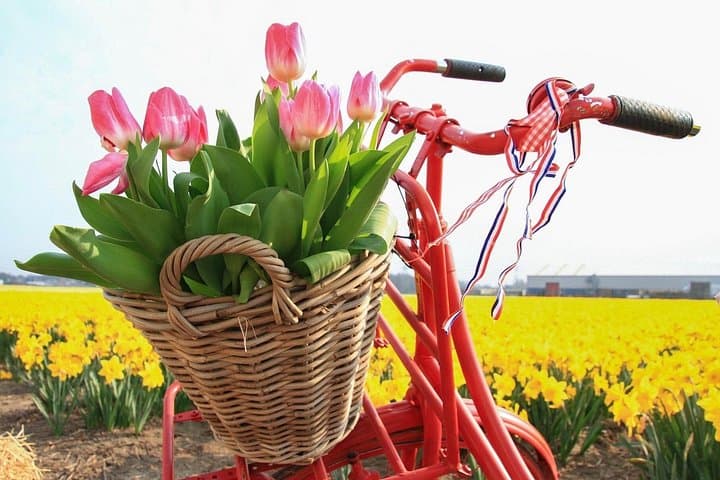
You step through the greenhouse door and the world opens into rows of color: tulip stems standing like small flags, a wind that teases petals and dares you to move closer. At De Tulperij a staff member guides you into the production field for a 45–60 minute photoshoot; the flowers lean toward the light, the rows creating natural frames for portraits and wide-angle shots alike.
You step through the greenhouse door and the world opens into rows of color: tulip stems standing like small flags, a wind that teases petals and dares you to move closer. At De Tulperij a staff member guides you into the production field for a 45–60 minute photoshoot; the flowers lean toward the light, the rows creating natural frames for portraits and wide-angle shots alike.
This corner of South Holland sits inside the Bollenstreek, a bulb-growing plain shaped by glacial sands and intentional drainage—soil conditions that made tulip farming here a centuries-long industry. Tulips landed in Dutch culture as both commerce and celebration: bulb varieties perfected for export, and spring festivals that still draw photographers and cyclists. Local growers balance tradition and modern horticulture; staff can answer questions about planting cycles, varieties, and sustainable practices.
Plan for early light: mornings soften color and cut wind; afternoons bring richer shadows but more visitors. Shoes that can handle soft, sometimes muddy tracks are useful even though paths are maintained and wheelchair access is noted. Respect the crop—stay with your guide, avoid stepping on beds, and keep flash use moderate around bees. Children can join a short educational walk that introduces bulb life cycles and offers a small surprise at the end.
Practical: tickets are time-specific and start on time; refreshments (apple pie, tulip pastries, waffles) are available in the greenhouse. Whether you’re framing a close-up of a fringed tulip or composing a field-wide panorama, De Tulperij is a compact, low-effort spring outing that rewards careful timing and respectful behavior.