THE ADVENTURE COLLECTIVE® · Independent discovery and booking for outdoor travel

Spend a full day exploring coastal Tulum, climbing Coba’s pyramid, swimming in a cenote, and strolling Playa del Carmen’s Quinta Avenida. This guided circuit mixes Maya history, karst geology, and seaside vistas with practical tips for a long day in the Riviera Maya.
Spend a full day exploring coastal Tulum, climbing Coba’s pyramid, swimming in a cenote, and strolling Playa del Carmen’s Quinta Avenida. This guided circuit mixes Maya history, karst geology, and seaside vistas with practical tips for a long day in the Riviera Maya.
The day begins with a road that widens into the Caribbean’s light — drivers ferry you from hotel lobbies through palm-lined highways toward Tulum’s coastline. At the Tulum archaeological site, waves hurl their presence against the cliffs as stone platforms and El Castillo hold court over the sea; a guide outlines the Maya use of coastal watchpoints and ritual plazas, then leaves time to photograph the cliff-side vistas.
Verified experiences and guided adventures in the surrounding area.
Operated by ParaViajantes Tours · Tulum, Quintana Roo
The day begins with a road that widens into the Caribbean’s light — drivers ferry you from hotel lobbies through palm-lined highways toward Tulum’s coastline. At the Tulum archaeological site, waves hurl their presence against the cliffs as stone platforms and El Castillo hold court over the sea; a guide outlines the Maya use of coastal watchpoints and ritual plazas, then leaves time to photograph the cliff-side vistas.
Travel inland and the landscape softens into low jungle and limestone karst where Coba’s pyramid—Nohoch Mul—rises through the canopy. The climb offers a rare, vertical look back at a landscape shaped by ancient trade routes and seasonal wetlands carved by subterranean water. Between ruins, cenotes punctuate the limestone: underground sinkholes fed by the Yucatán’s freshwater lenses, cool and clear enough to cut the heat from the day.
Culturally, the route threads modern towns that grew with tourism — Playa del Carmen’s Quinta Avenida offers a contrast of shops, food, and nightlife after a day of archaeology and swimming. Geologically, the region is porous limestone; cave systems and cenotes are fragile windows into the aquifer.
Practical guidance: wear closed-toe walking shoes that handle sand and flagstones, bring reef-safe sunscreen, a swimsuit for the cenote, and a refillable bottle — bottled water is provided but local taps aren’t potable. Expect an 8–9 hour day with moderate walking on uneven ground; mornings and late afternoons are best for photos and cooler climbs. Respect archaeological rules, avoid touching carvings, and leave no trace at cenote entry points.
The full-day tour runs about 8–9 hours and includes guided visits to Tulum and Coba, entrance fees, buffet lunch, bottled water, cenote access, and roundtrip air-conditioned transfers from area hotels.
Climbing is subject to site rules and physical ability; those with mobility limitations should check with the guide—there is typically time to view the pyramid from ground level if climbing is restricted.
Cenote entry areas vary; life jackets are often available and guides will brief swimmers—non-swimmers should use flotation and stay in shallow sections as instructed.
Yes; the itinerary includes free time in both Tulum and Coba for independent exploration and photography, plus time to walk Playa del Carmen’s Quinta Avenida.
ParaViajantes Tours operates guided outdoor trips and adventures with an emphasis on safety, stewardship, and memorable experiences.


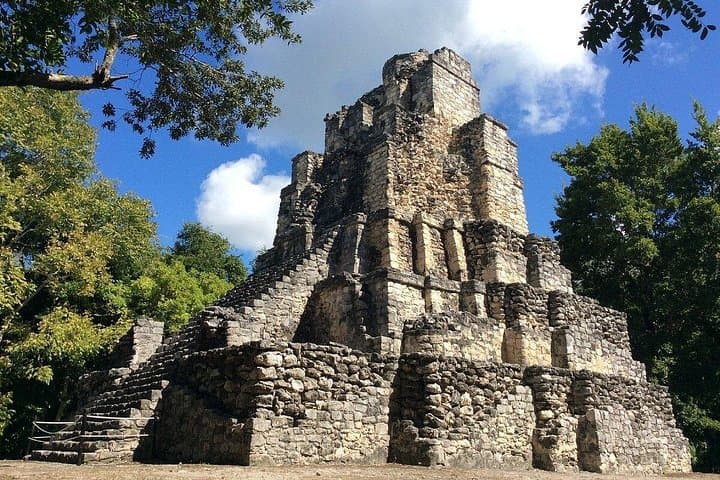

The day begins with a road that widens into the Caribbean’s light — drivers ferry you from hotel lobbies through palm-lined highways toward Tulum’s coastline. At the Tulum archaeological site, waves hurl their presence against the cliffs as stone platforms and El Castillo hold court over the sea; a guide outlines the Maya use of coastal watchpoints and ritual plazas, then leaves time to photograph the cliff-side vistas.
The day begins with a road that widens into the Caribbean’s light — drivers ferry you from hotel lobbies through palm-lined highways toward Tulum’s coastline. At the Tulum archaeological site, waves hurl their presence against the cliffs as stone platforms and El Castillo hold court over the sea; a guide outlines the Maya use of coastal watchpoints and ritual plazas, then leaves time to photograph the cliff-side vistas.
Travel inland and the landscape softens into low jungle and limestone karst where Coba’s pyramid—Nohoch Mul—rises through the canopy. The climb offers a rare, vertical look back at a landscape shaped by ancient trade routes and seasonal wetlands carved by subterranean water. Between ruins, cenotes punctuate the limestone: underground sinkholes fed by the Yucatán’s freshwater lenses, cool and clear enough to cut the heat from the day.
Culturally, the route threads modern towns that grew with tourism — Playa del Carmen’s Quinta Avenida offers a contrast of shops, food, and nightlife after a day of archaeology and swimming. Geologically, the region is porous limestone; cave systems and cenotes are fragile windows into the aquifer.
Practical guidance: wear closed-toe walking shoes that handle sand and flagstones, bring reef-safe sunscreen, a swimsuit for the cenote, and a refillable bottle — bottled water is provided but local taps aren’t potable. Expect an 8–9 hour day with moderate walking on uneven ground; mornings and late afternoons are best for photos and cooler climbs. Respect archaeological rules, avoid touching carvings, and leave no trace at cenote entry points.