THE ADVENTURE COLLECTIVE® · Independent discovery and booking for outdoor travel

Spend a day exploring two underground cenotes and the cliff-top ruins of Tulum on a small-group tour from Playa del Carmen. This seven-hour trip pairs freshwater snorkeling with coastal archaeology and includes transportation and entrance fees.
Spend a day exploring two underground cenotes and the cliff-top ruins of Tulum on a small-group tour from Playa del Carmen. This seven-hour trip pairs freshwater snorkeling with coastal archaeology and includes transportation and entrance fees.
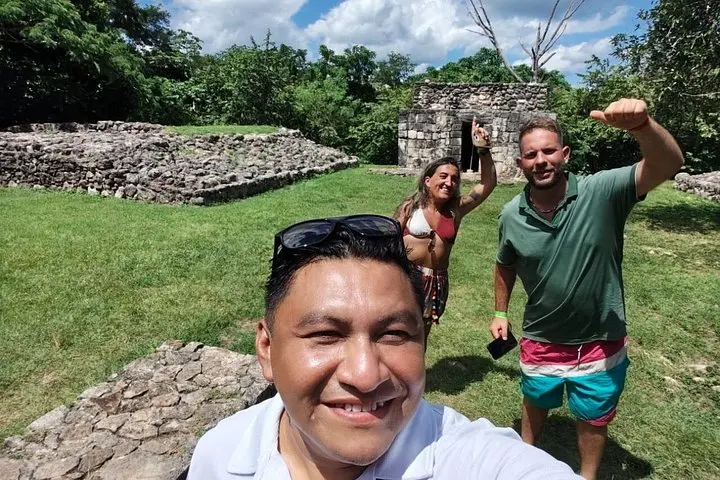
The bus eases out of Playa del Carmen with air conditioning humming and a guide who recounts the day like a map: two cenotes, then the ruins. Palm shadows slide across the highway and, within an hour, the road narrows into the scrubby lowland that kneads limestone into sinkholes and shelters coastal Mayan ruins. Your first step off the van is a reminder that this coastline is both water and rock—blue sea to the east, fresh water hidden beneath the ground.
Verified experiences and guided adventures in the surrounding area.
Operated by Henry Tours Mx · Tulum, Quintana Roo
The bus eases out of Playa del Carmen with air conditioning humming and a guide who recounts the day like a map: two cenotes, then the ruins. Palm shadows slide across the highway and, within an hour, the road narrows into the scrubby lowland that kneads limestone into sinkholes and shelters coastal Mayan ruins. Your first step off the van is a reminder that this coastline is both water and rock—blue sea to the east, fresh water hidden beneath the ground.
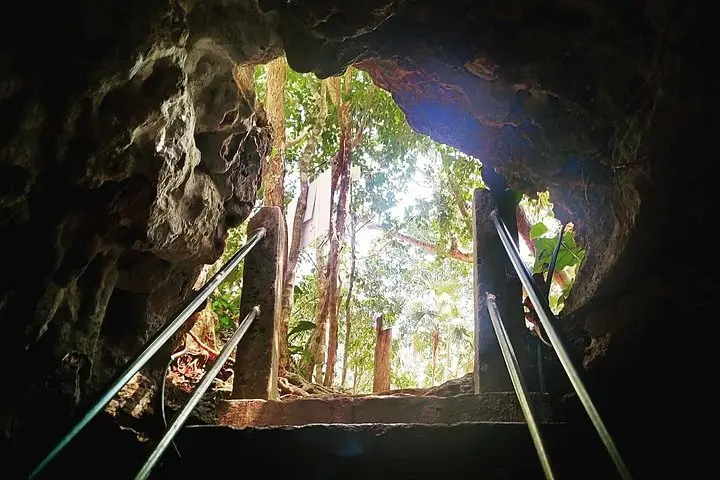
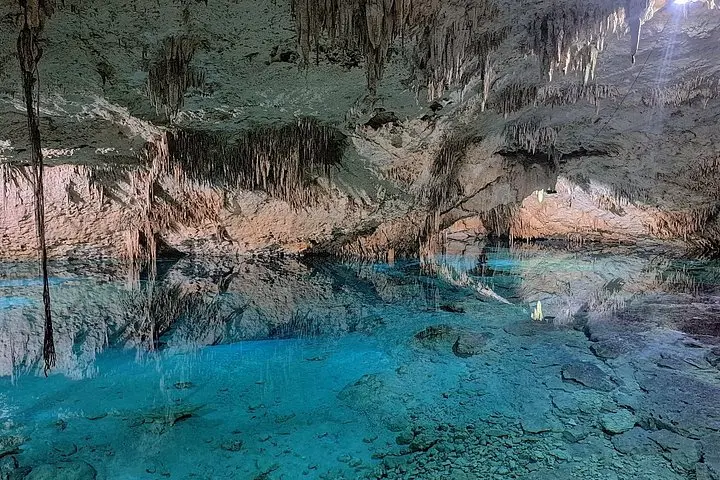
Cenotes are the reason this region exists the way it does. Karst limestone collapsed over millennia to create caverns where rainwater collected, and the Maya treated some of these pools as portals between worlds. On this tour you move between two contrasting cenotes: one vast and cave-like with light fingered through a single opening, the other a darker, lower-ceiling cavern accessed by a steep wooden stairway. Both invite snorkeling and cautious swimming, where you can watch silt drift like smoke and stalactites hang like fossilized teeth.
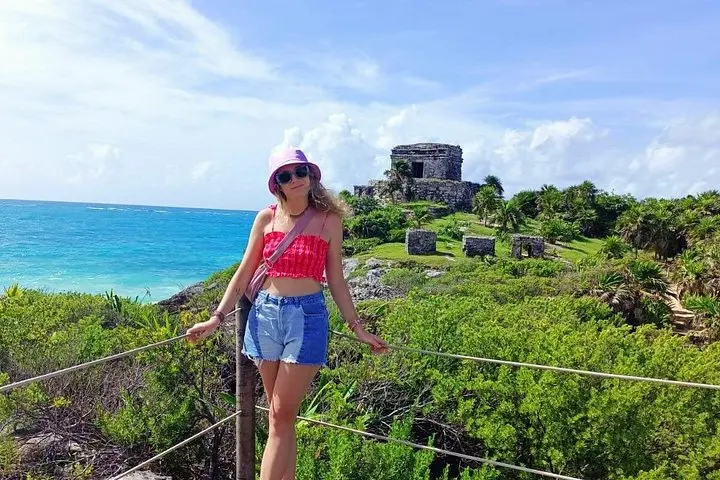
Then there is Tulum, a coastal citadel that sits on an eroded limestone bluff, watching the Caribbean. Once called Zamá, or dawn, it was a late-postclassic trading and religious center oriented toward maritime routes. The ruins are compact but cinematic: a cliff-edge temple, a walled town, and views that make the past feel immediate. Guides on the site outline how Tulum served as a lighthouse and spiritual anchor for the descending god, and how the town’s placement leveraged wind and sea for trade.
Practicality underpins the romance: the tour runs about seven hours, suits small groups, and includes entrance fees and transport with a bilingual driver. Expect uneven steps, wet wooden platforms, and a few narrow passages—you don’t need technical gear, but you do need balance and common sense. Bring a refillable water bottle, reef-safe sunscreen, and footwear that grips when wet. Schedule mornings if you want clearer water and fewer crowds at cenotes; afternoon light is best for photographing the ruins.
Culturally, this stretch of Quintana Roo reflects a working tourism ecosystem—local custodians manage cenote access and fees go toward conservation and community programs. Respecting roped areas, wearing biodegradable sun protection, and following the guide’s directions keeps these fragile sites open to visitors. By afternoon you leave with damp hair, sun-salted skin, and a sense that the Riviera Maya is a layered place—ancient stone, underground rivers, and an open sea that keeps asking you to look closer.
The tour runs roughly seven hours, including transport from Playa del Carmen and time at two cenotes plus the Tulum archaeological site.
Yes—tickets to the cenotes and the Tulum Archaeological Zone are included in the tour price.
Most small-group tours provide basic snorkeling gear; confirm when booking if you require a specific mask size.
The tour is suitable for most fitness levels, but it is not recommended for pregnant travelers or people with serious back or heart conditions.
Pickup is offered from many hotels in Playa del Carmen—confirm your pickup point during booking and be ready 10 minutes early.
Wear comfortable walking shoes, sun protection, and light clothing; bring a hat and a layer for cooler mornings.
Henry Tours Mx operates guided outdoor trips and adventures with an emphasis on safety, stewardship, and memorable experiences.
The bus eases out of Playa del Carmen with air conditioning humming and a guide who recounts the day like a map: two cenotes, then the ruins. Palm shadows slide across the highway and, within an hour, the road narrows into the scrubby lowland that kneads limestone into sinkholes and shelters coastal Mayan ruins. Your first step off the van is a reminder that this coastline is both water and rock—blue sea to the east, fresh water hidden beneath the ground.
The bus eases out of Playa del Carmen with air conditioning humming and a guide who recounts the day like a map: two cenotes, then the ruins. Palm shadows slide across the highway and, within an hour, the road narrows into the scrubby lowland that kneads limestone into sinkholes and shelters coastal Mayan ruins. Your first step off the van is a reminder that this coastline is both water and rock—blue sea to the east, fresh water hidden beneath the ground.
Cenotes are the reason this region exists the way it does. Karst limestone collapsed over millennia to create caverns where rainwater collected, and the Maya treated some of these pools as portals between worlds. On this tour you move between two contrasting cenotes: one vast and cave-like with light fingered through a single opening, the other a darker, lower-ceiling cavern accessed by a steep wooden stairway. Both invite snorkeling and cautious swimming, where you can watch silt drift like smoke and stalactites hang like fossilized teeth.
Then there is Tulum, a coastal citadel that sits on an eroded limestone bluff, watching the Caribbean. Once called Zamá, or dawn, it was a late-postclassic trading and religious center oriented toward maritime routes. The ruins are compact but cinematic: a cliff-edge temple, a walled town, and views that make the past feel immediate. Guides on the site outline how Tulum served as a lighthouse and spiritual anchor for the descending god, and how the town’s placement leveraged wind and sea for trade.
Practicality underpins the romance: the tour runs about seven hours, suits small groups, and includes entrance fees and transport with a bilingual driver. Expect uneven steps, wet wooden platforms, and a few narrow passages—you don’t need technical gear, but you do need balance and common sense. Bring a refillable water bottle, reef-safe sunscreen, and footwear that grips when wet. Schedule mornings if you want clearer water and fewer crowds at cenotes; afternoon light is best for photographing the ruins.
Culturally, this stretch of Quintana Roo reflects a working tourism ecosystem—local custodians manage cenote access and fees go toward conservation and community programs. Respecting roped areas, wearing biodegradable sun protection, and following the guide’s directions keeps these fragile sites open to visitors. By afternoon you leave with damp hair, sun-salted skin, and a sense that the Riviera Maya is a layered place—ancient stone, underground rivers, and an open sea that keeps asking you to look closer.