THE ADVENTURE COLLECTIVE® · Independent discovery and booking for outdoor travel

Spend a long day exploring coastal Tulum, climbing the highest pyramid at Coba, then cooling off in a sacred cenote. This guided loop pairs archaeological sites with a freshwater swim and practical local insights for an efficient Riviera Maya outing.
Spend a long day exploring coastal Tulum, climbing the highest pyramid at Coba, then cooling off in a sacred cenote. This guided loop pairs archaeological sites with a freshwater swim and practical local insights for an efficient Riviera Maya outing.
The morning light hits the limestone towers of Tulum first, casting sharp shadows across carved stone and salty breeze. You step from an air-conditioned van into a place where turquoise sea and ancient masonry trade places in the same view — gulls wheel as the ruins watch the Caribbean.
Verified experiences and guided adventures in the surrounding area.
Operated by Chichen Itza Official Tour · Tulum, Quintana Roo
The morning light hits the limestone towers of Tulum first, casting sharp shadows across carved stone and salty breeze. You step from an air-conditioned van into a place where turquoise sea and ancient masonry trade places in the same view — gulls wheel as the ruins watch the Caribbean.
This full-day loop moves inland to Coba, where jungle paths give way to the climb of Nohoch Mul, the tallest Mayan pyramid on the Yucatán peninsula, and then to a cenote — a sinkhole-fed pool that feels like the ground’s own secret. Tulum served as a coastal port for the Postclassic Maya, while Coba grew along trade routes that threaded through low forest and seasonal lagoons. Geologically the region is porous limestone; cenotes form where the roof of an underground river collapses, exposing clear, often mineral-rich water.
Local life centers on small towns, roadside vendors selling cochinita pibil, and guides who blend archaeology with everyday knowledge about plant uses and cenote etiquette. Expect warm, humid air, sandy paths, and stairs of uneven stone. The cenote’s water will demand a calm entry — it’s cool enough to sharpen senses and heavy with clarity.
Practical guidance: bring biodegradable sunscreen, a swimsuit under your clothes for quick changes, and a refillable water bottle. Start early to beat heat and crowds, keep valuables dry in a waterproof bag, and budget cash for small purchases. The day is long (about 11–12 hours) but structured: ruins, climb, lunch, cenote swim — an efficient, varied introduction to the Yucatán’s outdoor and cultural highlights.
Yes — the tour lists air-conditioned vehicle transport and typically includes round-trip pickup from Playa del Carmen; confirm pickup point when booking.
Most visitors can climb the wooden stairs to the Coba viewpoint, but wear sturdy shoes and take it slowly; mobility restrictions may make the climb difficult.
Yes — bring small bills for tips, souvenirs, and possible onsite fees at smaller cenote facilities.
The itinerary notes admission to ruins and a lunch inclusion, but check booking details for any optional extras that may require payment onsite.
Chichen Itza Official Tour operates guided outdoor trips and adventures with an emphasis on safety, stewardship, and memorable experiences.
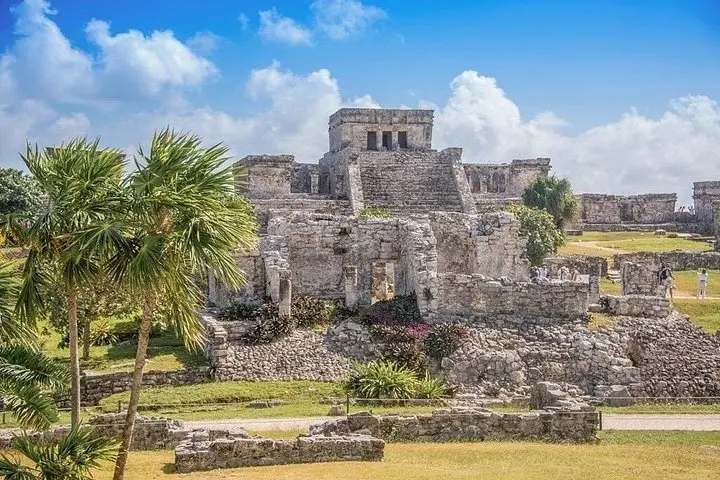
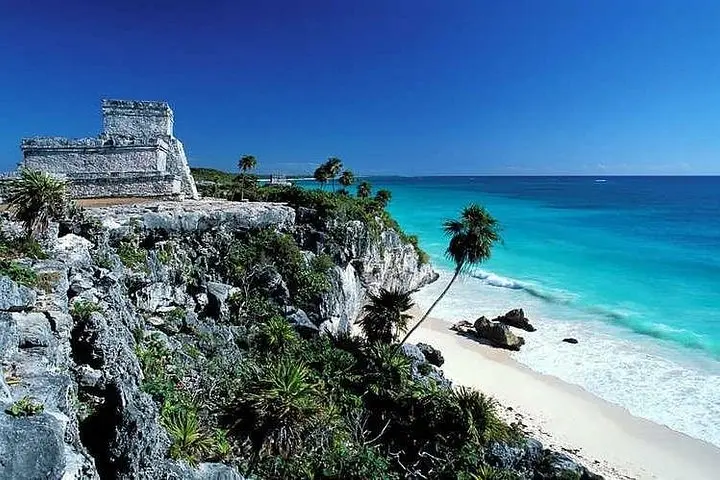
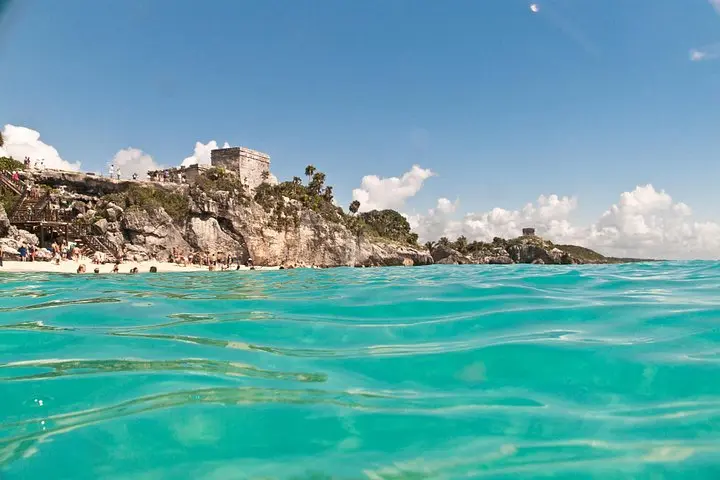
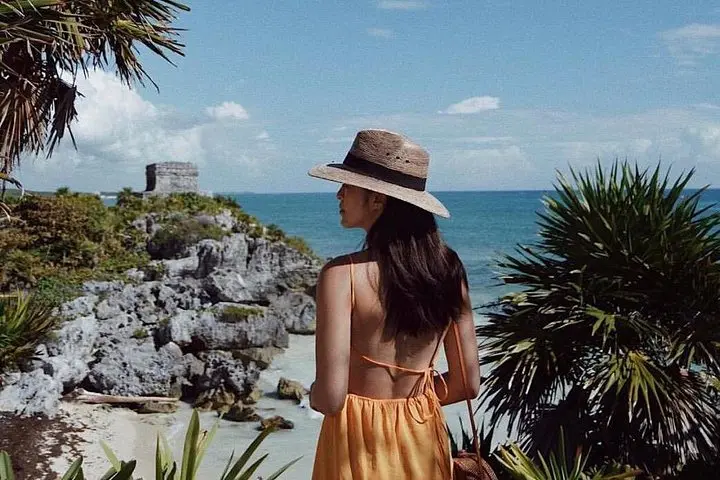
The morning light hits the limestone towers of Tulum first, casting sharp shadows across carved stone and salty breeze. You step from an air-conditioned van into a place where turquoise sea and ancient masonry trade places in the same view — gulls wheel as the ruins watch the Caribbean.
The morning light hits the limestone towers of Tulum first, casting sharp shadows across carved stone and salty breeze. You step from an air-conditioned van into a place where turquoise sea and ancient masonry trade places in the same view — gulls wheel as the ruins watch the Caribbean.
This full-day loop moves inland to Coba, where jungle paths give way to the climb of Nohoch Mul, the tallest Mayan pyramid on the Yucatán peninsula, and then to a cenote — a sinkhole-fed pool that feels like the ground’s own secret. Tulum served as a coastal port for the Postclassic Maya, while Coba grew along trade routes that threaded through low forest and seasonal lagoons. Geologically the region is porous limestone; cenotes form where the roof of an underground river collapses, exposing clear, often mineral-rich water.
Local life centers on small towns, roadside vendors selling cochinita pibil, and guides who blend archaeology with everyday knowledge about plant uses and cenote etiquette. Expect warm, humid air, sandy paths, and stairs of uneven stone. The cenote’s water will demand a calm entry — it’s cool enough to sharpen senses and heavy with clarity.
Practical guidance: bring biodegradable sunscreen, a swimsuit under your clothes for quick changes, and a refillable water bottle. Start early to beat heat and crowds, keep valuables dry in a waterproof bag, and budget cash for small purchases. The day is long (about 11–12 hours) but structured: ruins, climb, lunch, cenote swim — an efficient, varied introduction to the Yucatán’s outdoor and cultural highlights.