THE ADVENTURE COLLECTIVE® · Independent discovery and booking for outdoor travel

Spend an efficient, sensory day moving from Tulum’s coastal ruins to the jungle pyramid at Coba, finishing with a swim in a shaded cenote. This full‑day trip from Playa del Carmen blends archaeology, geology and a refreshing dip in sacred groundwater.
Spend an efficient, sensory day moving from Tulum’s coastal ruins to the jungle pyramid at Coba, finishing with a swim in a shaded cenote. This full‑day trip from Playa del Carmen blends archaeology, geology and a refreshing dip in sacred groundwater.
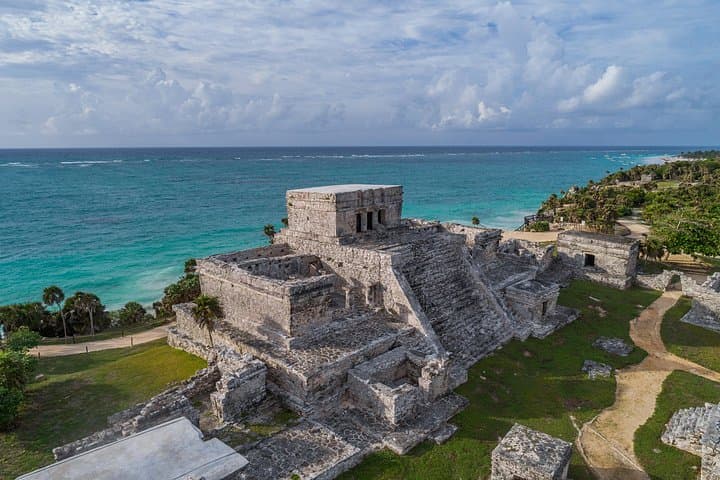
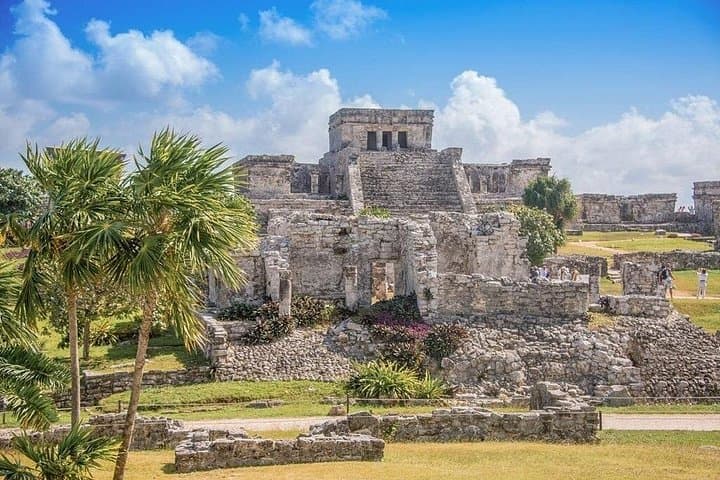
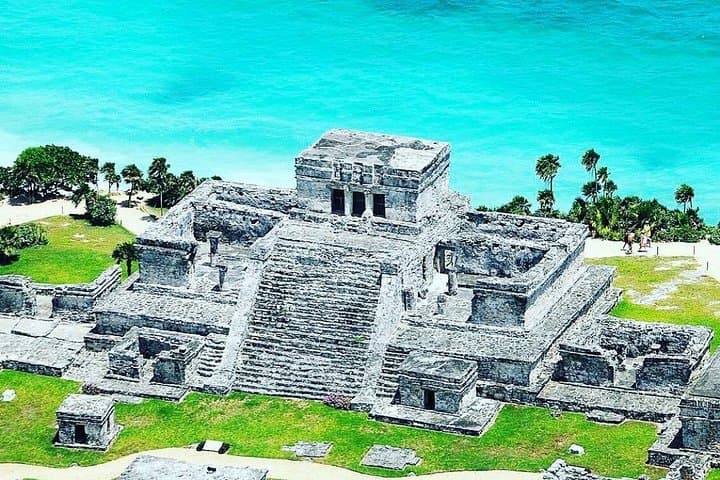
You step off an air‑conditioned van into a sun-bright clearing where stone elbows out of jungle and a limestone sinkhole waits like a cool secret. The day moves in clear beats: a guided walk through Tulum’s seaside fortress, the climb of Coba’s highest pyramid, then a plunge into the shaded, clear water of a cenote—sacred groundwater that has sustained Maya communities for millennia.
Verified experiences and guided adventures in the surrounding area.
Operated by Chichen Itza Official Tour · Playa del Carmen, Quintana Roo
You step off an air‑conditioned van into a sun-bright clearing where stone elbows out of jungle and a limestone sinkhole waits like a cool secret. The day moves in clear beats: a guided walk through Tulum’s seaside fortress, the climb of Coba’s highest pyramid, then a plunge into the shaded, clear water of a cenote—sacred groundwater that has sustained Maya communities for millennia.
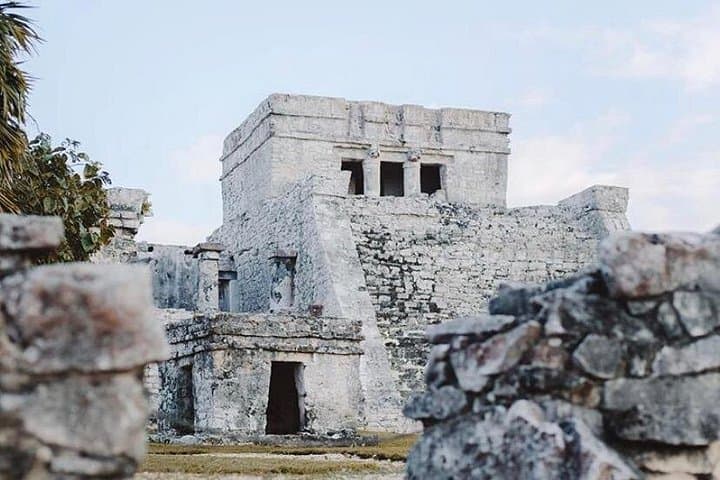
The ruins here tell two geologic stories: coastal coral rock shaped by sea and wind at Tulum, and the low, porous limestone karst that hides Coba’s water table and cenotes. Culturally the sites are Maya: Tulum guarded maritime trade routes, while Coba was a regional hub connected by ancient causeways called sacbeob. Local guides often point out stelae, ballcourt remains and the layered history evident in masonry styles.
Practically, expect a long day—roughly 11–12 hours with round transportation from Playa del Carmen, admissions included and a midday buffet. Terrain alternates paved paths and sandy steps; Coba’s Nohoch Mul pyramid has steep stone steps that you can climb for panoramic lowland views. At the cenote, water is cool and clear; currents are minimal but depth varies. Bring reef‑safe sunscreen, a towel, and water-resistant shoes you can remove before entering sacred waters.
Timing matters: mornings at Tulum are cooler and less crowded; late afternoon light softens the ruins. Respect signage at archaeological zones, follow your guide’s route through protected areas, and pack out any trash—these landscapes depend on low‑impact visitors. The day is straightforward, sensory, and anchored in living history.
Yes — the tour itinerary includes entrance to both archaeological zones and the cenote, as listed in the booking details.
Round transportation is included; confirm pickup point with the operator ahead of time via the contact details provided.
Most visitors can swim; there are no strong currents, but depth varies—non‑swimmers should wear a life vest if available and stay near the edges.
The operator indicates stroller and wheelchair accessibility for parts of the itinerary, but Coba’s pyramid climb and some cenote access may not be wheelchair‑friendly—check specifics on booking.
Chichen Itza Official Tour operates guided outdoor trips and adventures with an emphasis on safety, stewardship, and memorable experiences.
You step off an air‑conditioned van into a sun-bright clearing where stone elbows out of jungle and a limestone sinkhole waits like a cool secret. The day moves in clear beats: a guided walk through Tulum’s seaside fortress, the climb of Coba’s highest pyramid, then a plunge into the shaded, clear water of a cenote—sacred groundwater that has sustained Maya communities for millennia.
You step off an air‑conditioned van into a sun-bright clearing where stone elbows out of jungle and a limestone sinkhole waits like a cool secret. The day moves in clear beats: a guided walk through Tulum’s seaside fortress, the climb of Coba’s highest pyramid, then a plunge into the shaded, clear water of a cenote—sacred groundwater that has sustained Maya communities for millennia.
The ruins here tell two geologic stories: coastal coral rock shaped by sea and wind at Tulum, and the low, porous limestone karst that hides Coba’s water table and cenotes. Culturally the sites are Maya: Tulum guarded maritime trade routes, while Coba was a regional hub connected by ancient causeways called sacbeob. Local guides often point out stelae, ballcourt remains and the layered history evident in masonry styles.
Practically, expect a long day—roughly 11–12 hours with round transportation from Playa del Carmen, admissions included and a midday buffet. Terrain alternates paved paths and sandy steps; Coba’s Nohoch Mul pyramid has steep stone steps that you can climb for panoramic lowland views. At the cenote, water is cool and clear; currents are minimal but depth varies. Bring reef‑safe sunscreen, a towel, and water-resistant shoes you can remove before entering sacred waters.
Timing matters: mornings at Tulum are cooler and less crowded; late afternoon light softens the ruins. Respect signage at archaeological zones, follow your guide’s route through protected areas, and pack out any trash—these landscapes depend on low‑impact visitors. The day is straightforward, sensory, and anchored in living history.