THE ADVENTURE COLLECTIVE® · Independent discovery and booking for outdoor travel

Explore Tulum’s cliffside Mayan ruins with priority access, then cool off in a nearby cenote on this six-hour tour from the Riviera Maya. Learn about trade, astronomy and sacred water systems while getting practical tips for a smooth visit.
Explore Tulum’s cliffside Mayan ruins with priority access, then cool off in a nearby cenote on this six-hour tour from the Riviera Maya. Learn about trade, astronomy and sacred water systems while getting practical tips for a smooth visit.
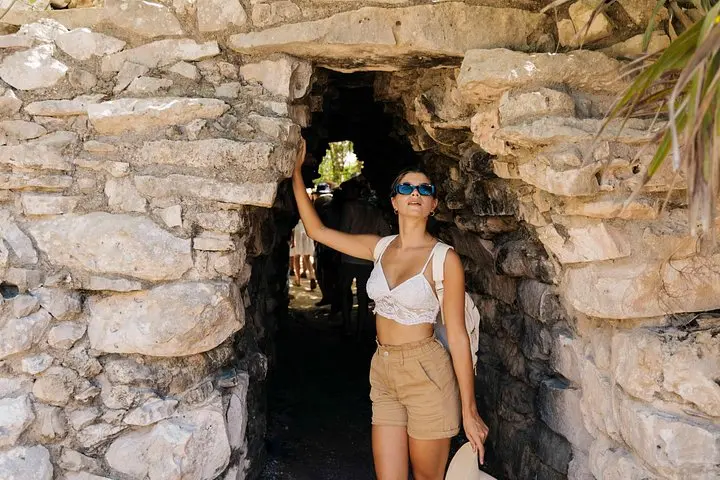
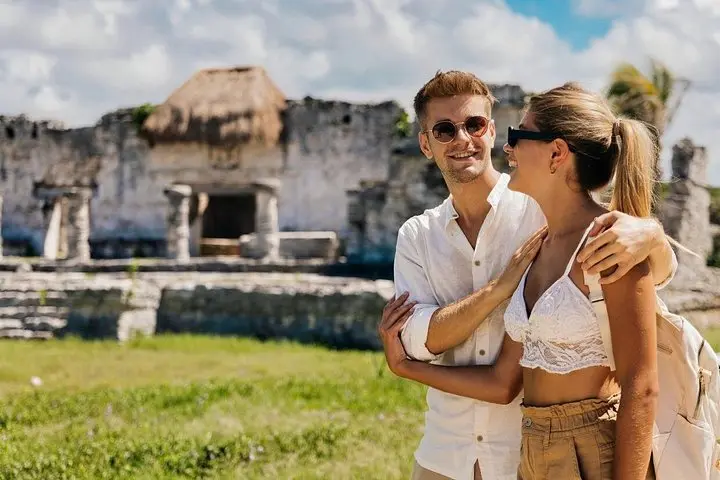
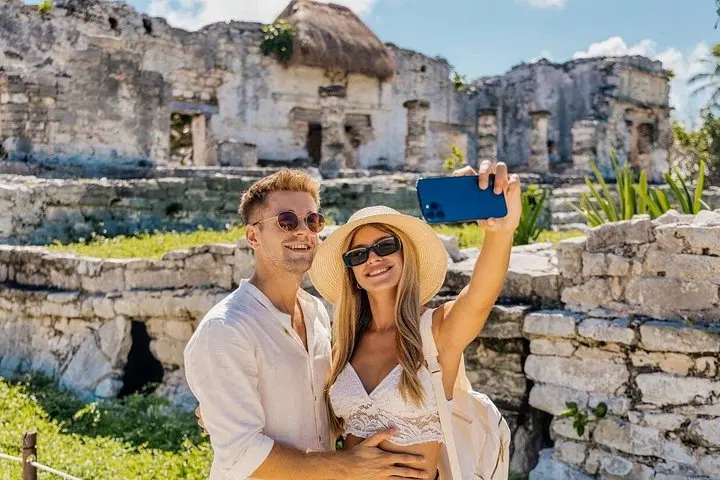
The morning light hits the limestone cliffs above the Caribbean and you step out of the shuttle into warm, salty air — the Castillo stands on a bluff, white stone bright against turquoise water. Walkways thread between low temples and leafy courtyards; iguanas sun themselves on crumbling steps while seabirds wheel overhead.
Verified experiences and guided adventures in the surrounding area.
Operated by Cancun Travel Experience · Tulum, Quintana Roo
The morning light hits the limestone cliffs above the Caribbean and you step out of the shuttle into warm, salty air — the Castillo stands on a bluff, white stone bright against turquoise water. Walkways thread between low temples and leafy courtyards; iguanas sun themselves on crumbling steps while seabirds wheel overhead.
Tulum was a fortified port for the Postclassic Maya, a coastal hub where merchants moved obsidian, textiles and salt. The ruins’ limestone and coral foundations reflect a karst landscape carved by underground rivers; those same currents surface in cenotes — sinkholes that were sacred to the Maya and remain chemically clear, cool places to swim.
Local culture mixes contemporary beach life with strong Mayan heritage; small vendors sell handicrafts and fresh coconut water near the site. Expect interpretations of the observatory and coastal defenses from a professional guide who situates Tulum within regional trade networks.
Practically, the half-day runs about six hours including roundtrip transport from Riviera Maya pick-up points. You’ll walk roughly 1.5 miles at a leisurely pace and climb stairs; footwear with grip helps. Admission and priority access are included, but a mandatory government surcharge (approx. 750 MXN) is payable in cash at the site. Bring swimwear, towel and reef-safe sunscreen for the cenote stop; the swim is optional but offers a firsthand look at the Yucatán’s subterranean water systems.
Plan for heat and sun: start early to avoid peak crowds and midday temperatures, and carry water. Be respectful around fragile ruins and follow guides’ instructions at the cenote to protect this sensitive ecosystem.
The tour includes admission and priority access to the archaeological site, but a mandatory government surcharge (~750 MXN) is payable in cash on the day.
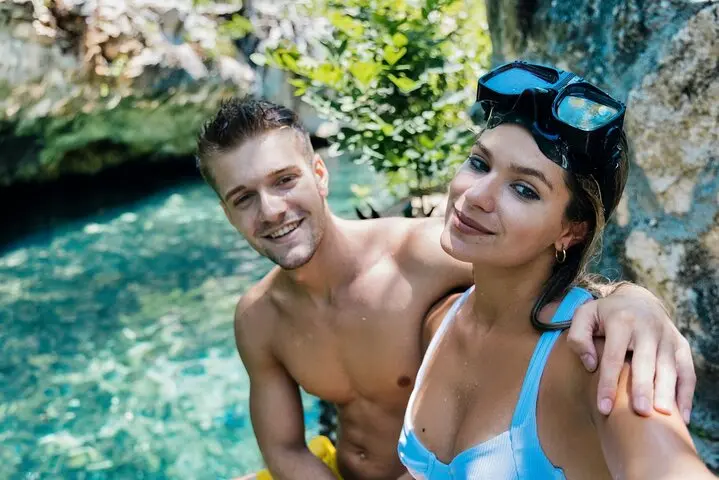
Yes — the cenote stop typically allows swimming and optional snorkeling; bring your own mask or rent locally and follow guide instructions for safety.
Roundtrip transportation is offered from many centrally located Riviera Maya hotels; confirm your pickup time with the operator—Tulum hotels generally require meeting at the designated point.
Facilities vary by cenote; bring a towel and a dry change of clothes and plan to store valuables in your locked bus or a small personal pouch.
Cancun Travel Experience operates guided outdoor trips and adventures with an emphasis on safety, stewardship, and memorable experiences.
The morning light hits the limestone cliffs above the Caribbean and you step out of the shuttle into warm, salty air — the Castillo stands on a bluff, white stone bright against turquoise water. Walkways thread between low temples and leafy courtyards; iguanas sun themselves on crumbling steps while seabirds wheel overhead.
The morning light hits the limestone cliffs above the Caribbean and you step out of the shuttle into warm, salty air — the Castillo stands on a bluff, white stone bright against turquoise water. Walkways thread between low temples and leafy courtyards; iguanas sun themselves on crumbling steps while seabirds wheel overhead.
Tulum was a fortified port for the Postclassic Maya, a coastal hub where merchants moved obsidian, textiles and salt. The ruins’ limestone and coral foundations reflect a karst landscape carved by underground rivers; those same currents surface in cenotes — sinkholes that were sacred to the Maya and remain chemically clear, cool places to swim.
Local culture mixes contemporary beach life with strong Mayan heritage; small vendors sell handicrafts and fresh coconut water near the site. Expect interpretations of the observatory and coastal defenses from a professional guide who situates Tulum within regional trade networks.
Practically, the half-day runs about six hours including roundtrip transport from Riviera Maya pick-up points. You’ll walk roughly 1.5 miles at a leisurely pace and climb stairs; footwear with grip helps. Admission and priority access are included, but a mandatory government surcharge (approx. 750 MXN) is payable in cash at the site. Bring swimwear, towel and reef-safe sunscreen for the cenote stop; the swim is optional but offers a firsthand look at the Yucatán’s subterranean water systems.
Plan for heat and sun: start early to avoid peak crowds and midday temperatures, and carry water. Be respectful around fragile ruins and follow guides’ instructions at the cenote to protect this sensitive ecosystem.