THE ADVENTURE COLLECTIVE® · Independent discovery and booking for outdoor travel

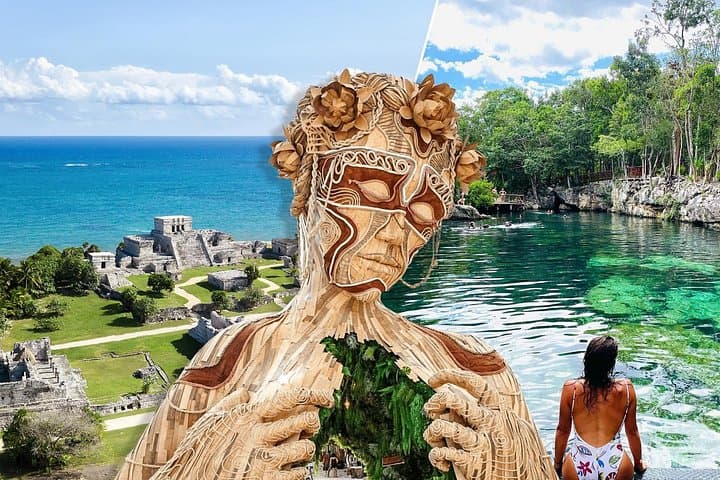
Explore cliff-top Mayan architecture, cool off in four freshwater cenotes and snap the viral “Come Into Light” sculpture on this full-day Tulum outing. Expect a mix of easy walking, swimming, and photo stops with local insights on geology and conservation.
Explore cliff-top Mayan architecture, cool off in four freshwater cenotes and snap the viral “Come Into Light” sculpture on this full-day Tulum outing. Expect a mix of easy walking, swimming, and photo stops with local insights on geology and conservation.
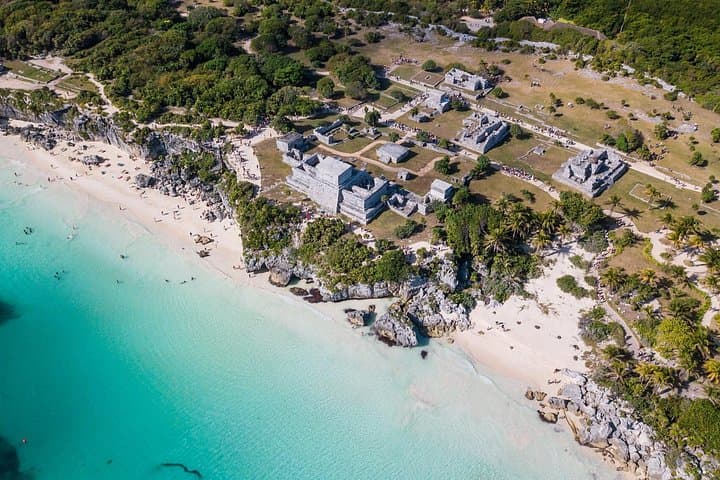
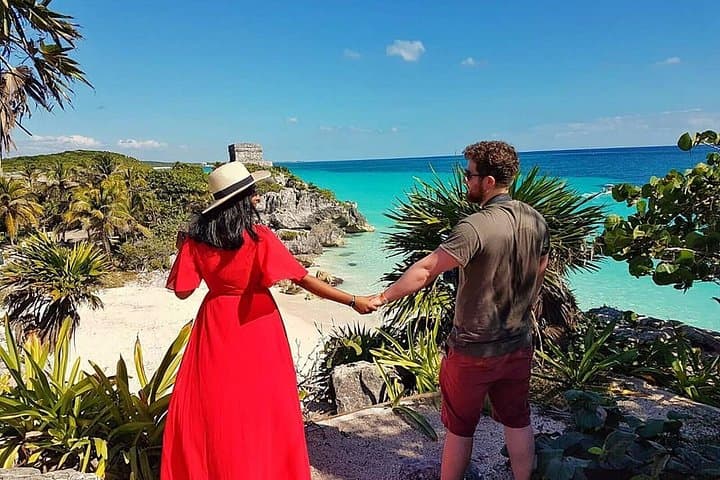
You step from an air-conditioned van into a warm Caribbean breeze and the cliff-edge silhouette of Tulum’s ruins cuts a clean line against blue sea. The morning light picks out stucco and stone while summer birds argue from the scrub. Walkways move you steadily through plazas, temples and a once-busy Maya port where trade winds mustered ships centuries ago.
Verified experiences and guided adventures in the surrounding area.
Operated by Mycancuntours · Tulum, Quintana Roo
You step from an air-conditioned van into a warm Caribbean breeze and the cliff-edge silhouette of Tulum’s ruins cuts a clean line against blue sea. The morning light picks out stucco and stone while summer birds argue from the scrub. Walkways move you steadily through plazas, temples and a once-busy Maya port where trade winds mustered ships centuries ago.
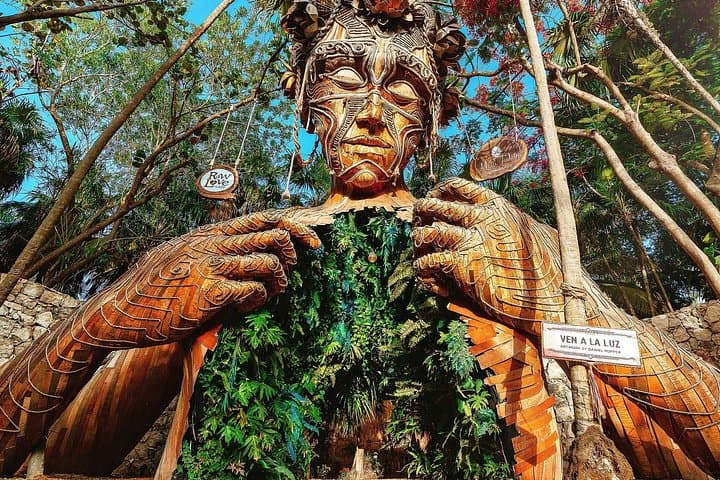
Tulum sits on limestone cliffs formed by uplift and coral reef growth; nearby cenotes are collapse features where groundwater carved passages through porous bedrock. The ruins are among the Yucatán’s best-preserved coastal sites, a compact classroom of Mayan coastal life and coastal defense. After the archaeological visit the tour switches pace — descending into cool cenote caverns where sunlight filters through sinkholes and stalactites point like waiting hands. The “Come Into Light” sculpture at Ahau Hotel offers a decidedly modern, giant-scale photo moment that contrasts with the ancient architecture.
Practical guidance: this is a long day (about 9–10 hours) with varied footing — packed dirt, limestone steps and wet stone at cenotes. Wear sturdy sandals or lightweight hiking shoes that drain, bring biodegradable sunscreen, a swim layer and a microfiber towel. Bring cash for lockers and tips. Expect about 45 minutes at the ruins, roughly two hours across multiple cenotes (swimming optional), and time at the sculpture for photos.
Best time to go is early to avoid heat and crowds; hydrate often and follow guides’ conservation rules — cenotes are fragile freshwater ecosystems that need protection.
Many cenotes have shallow edges and life jackets available; non-swimmers can still enjoy views from platforms but should use a life jacket for deeper swims.
Paths at Tulum include uneven limestone and steps; some areas are stroller- or wheelchair-accessible with assistance, but expect limited access to certain terraces.
Yes — the tour lists hotel/port pickup and drop-off; confirm pickup time and location when you book to allow for transfer durations.
The itinerary notes Tulum admission is included; verify whether any cenote entrance fees or lockers are covered or require on-site payment.
Mycancuntours operates guided outdoor trips and adventures with an emphasis on safety, stewardship, and memorable experiences.
You step from an air-conditioned van into a warm Caribbean breeze and the cliff-edge silhouette of Tulum’s ruins cuts a clean line against blue sea. The morning light picks out stucco and stone while summer birds argue from the scrub. Walkways move you steadily through plazas, temples and a once-busy Maya port where trade winds mustered ships centuries ago.
You step from an air-conditioned van into a warm Caribbean breeze and the cliff-edge silhouette of Tulum’s ruins cuts a clean line against blue sea. The morning light picks out stucco and stone while summer birds argue from the scrub. Walkways move you steadily through plazas, temples and a once-busy Maya port where trade winds mustered ships centuries ago.
Tulum sits on limestone cliffs formed by uplift and coral reef growth; nearby cenotes are collapse features where groundwater carved passages through porous bedrock. The ruins are among the Yucatán’s best-preserved coastal sites, a compact classroom of Mayan coastal life and coastal defense. After the archaeological visit the tour switches pace — descending into cool cenote caverns where sunlight filters through sinkholes and stalactites point like waiting hands. The “Come Into Light” sculpture at Ahau Hotel offers a decidedly modern, giant-scale photo moment that contrasts with the ancient architecture.
Practical guidance: this is a long day (about 9–10 hours) with varied footing — packed dirt, limestone steps and wet stone at cenotes. Wear sturdy sandals or lightweight hiking shoes that drain, bring biodegradable sunscreen, a swim layer and a microfiber towel. Bring cash for lockers and tips. Expect about 45 minutes at the ruins, roughly two hours across multiple cenotes (swimming optional), and time at the sculpture for photos.
Best time to go is early to avoid heat and crowds; hydrate often and follow guides’ conservation rules — cenotes are fragile freshwater ecosystems that need protection.