THE ADVENTURE COLLECTIVE® · Independent discovery and booking for outdoor travel

Combine a guided morning at the Tulum Mayan ruins with shore snorkeling on the Caribbean reef for a compact day of history and marine life. Departures prioritize smaller groups and calm conditions for a practical, immersive half-day.
Combine a guided morning at the Tulum Mayan ruins with shore snorkeling on the Caribbean reef for a compact day of history and marine life. Departures prioritize smaller groups and calm conditions for a practical, immersive half-day.
Morning light hits the Castillo first — a compact stone crown perched where limestone cliffs meet turquoise water. You step onto warm flagstones, salt on your lips, while a breeze from the Caribbean dares you toward the sea; later the same breeze will push you out over the reef where coral gardens pulse with color.
Verified experiences and guided adventures in the surrounding area.
Operated by Costa Maya Shore Excursions · Tulum, Quintana Roo
Morning light hits the Castillo first — a compact stone crown perched where limestone cliffs meet turquoise water. You step onto warm flagstones, salt on your lips, while a breeze from the Caribbean dares you toward the sea; later the same breeze will push you out over the reef where coral gardens pulse with color.
Tulum was a Late Postclassic Maya port, fortified against inland rivals and oriented to sea trade. The site’s low cliffs and exposed limestone reflect millions of years of uplift and karst processes; offshore, the Mesoamerican Barrier Reef — the Western Hemisphere’s largest coral system — begins in fringing bands. Local guides often pair architectural context with stories of coastal life: fishermen, cenotes hidden inland, and the conservation efforts that protect the reef.
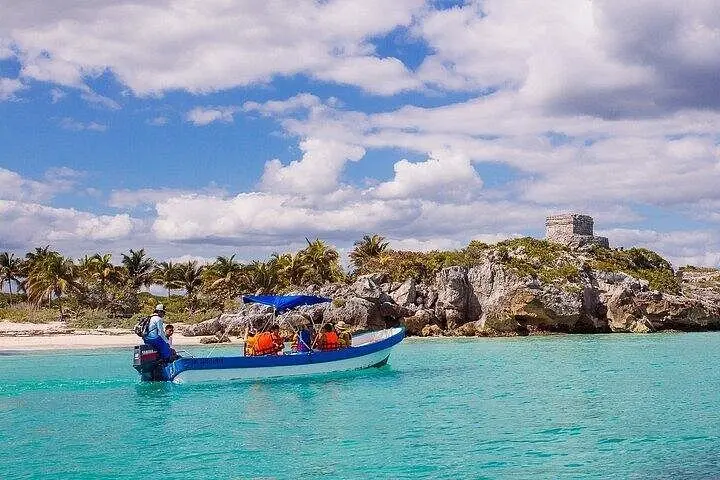
Practically: the tour runs about four hours, departing in the morning to avoid crowds and choppy seas. Expect 30–60 minutes walking around uneven stone paths and steps, followed by shore-based snorkeling directly in front of the main castle. Life jackets and basic snorkel gear are provided, but bring reef-safe sunscreen and a mask if you prefer your own fit. Currents can pick up in the afternoon; cooler, clearer water and calmer winds are likeliest November–April. The archaeological zone has stairs and narrow paths — moderate mobility is required.
Respect both ruins and reef: don't touch carvings or coral, and follow your guide's route. With a mix of archaeology and marine life, the combo delivers two distinct ecosystems in a single morning — history underfoot, reef life nudging you to look down.
Yes — the tour’s inclusions list the archaeological site and marine park entrance fees as covered.
Basic snorkel gear and life jackets are provided; bring a personal mask for better fit or if you prefer your own equipment.
The site has uneven stone paths and stairs; visitors with limited mobility may find it challenging and should check accessibility before booking.
Dry season (November–April) generally offers clearer water and calmer winds, though trips run year-round depending on weather.
Costa Maya Shore Excursions operates guided outdoor trips and adventures with an emphasis on safety, stewardship, and memorable experiences.
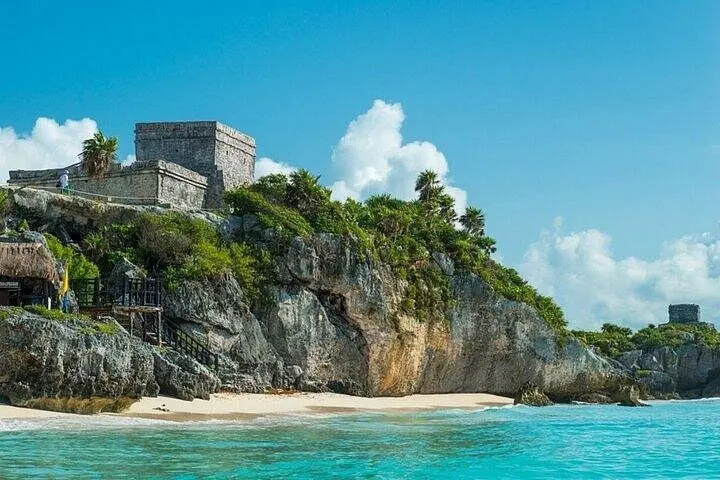
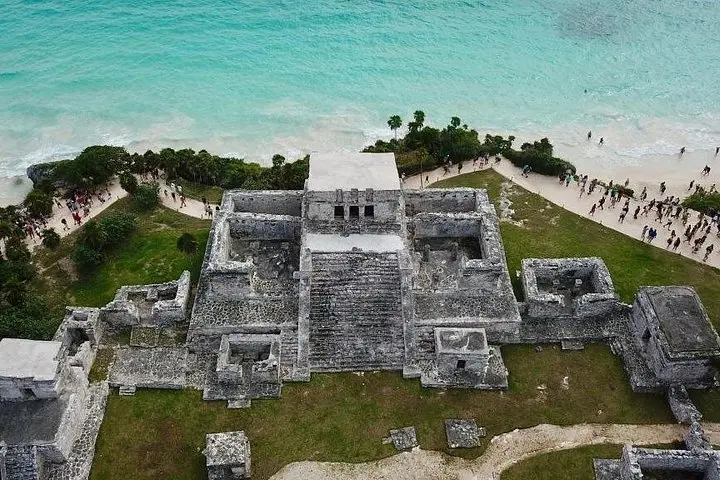
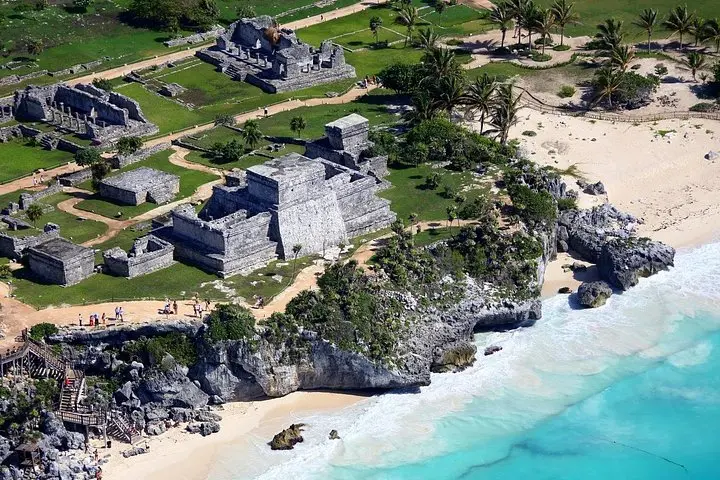
Morning light hits the Castillo first — a compact stone crown perched where limestone cliffs meet turquoise water. You step onto warm flagstones, salt on your lips, while a breeze from the Caribbean dares you toward the sea; later the same breeze will push you out over the reef where coral gardens pulse with color.
Morning light hits the Castillo first — a compact stone crown perched where limestone cliffs meet turquoise water. You step onto warm flagstones, salt on your lips, while a breeze from the Caribbean dares you toward the sea; later the same breeze will push you out over the reef where coral gardens pulse with color.
Tulum was a Late Postclassic Maya port, fortified against inland rivals and oriented to sea trade. The site’s low cliffs and exposed limestone reflect millions of years of uplift and karst processes; offshore, the Mesoamerican Barrier Reef — the Western Hemisphere’s largest coral system — begins in fringing bands. Local guides often pair architectural context with stories of coastal life: fishermen, cenotes hidden inland, and the conservation efforts that protect the reef.
Practically: the tour runs about four hours, departing in the morning to avoid crowds and choppy seas. Expect 30–60 minutes walking around uneven stone paths and steps, followed by shore-based snorkeling directly in front of the main castle. Life jackets and basic snorkel gear are provided, but bring reef-safe sunscreen and a mask if you prefer your own fit. Currents can pick up in the afternoon; cooler, clearer water and calmer winds are likeliest November–April. The archaeological zone has stairs and narrow paths — moderate mobility is required.
Respect both ruins and reef: don't touch carvings or coral, and follow your guide's route. With a mix of archaeology and marine life, the combo delivers two distinct ecosystems in a single morning — history underfoot, reef life nudging you to look down.