THE ADVENTURE COLLECTIVE® · Independent discovery and booking for outdoor travel

See Tulum’s cliff-top ruins, swim in a jungle cenote and snorkel with Akumal’s sea turtles in a single full-day tour from Cancun. This active itinerary blends Mayan history, karst geology and marine wildlife with practical logistics for a long, rewarding day.
See Tulum’s cliff-top ruins, swim in a jungle cenote and snorkel with Akumal’s sea turtles in a single full-day tour from Cancun. This active itinerary blends Mayan history, karst geology and marine wildlife with practical logistics for a long, rewarding day.
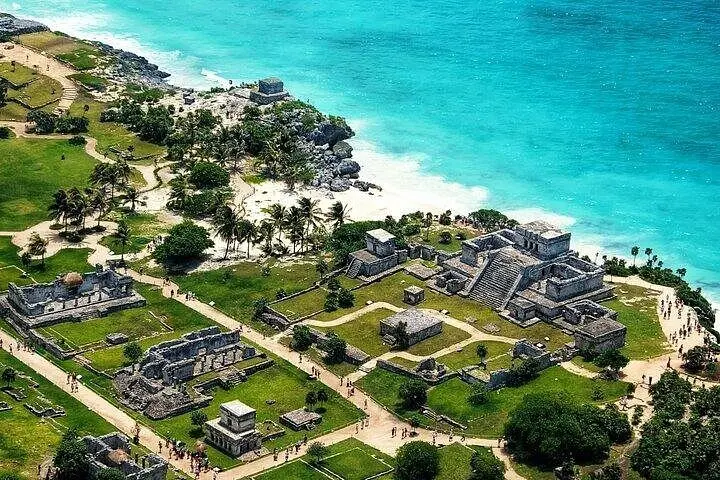
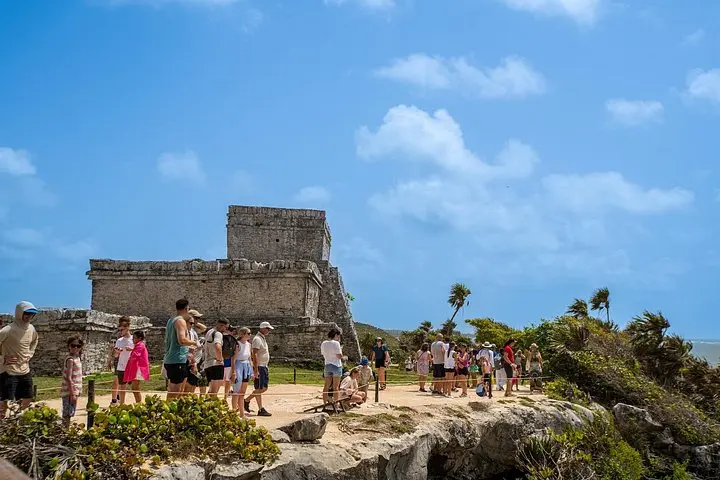
Morning light slices across a low cliff of limestone as a small bus threads the coastal highway toward Tulum. The day opens on the ancient walls — a compact Mayan site perched above the Caribbean, where gulls wheel and the sea dares you to look beyond the stones. After guided exploration, the group slips inland: jungle trails, damp leaf litter, and a sinkhole mouth where freshwater waits cold and clear.
Verified experiences and guided adventures in the surrounding area.
Operated by AGILA TOURS · Tulum, Quintana Roo
Morning light slices across a low cliff of limestone as a small bus threads the coastal highway toward Tulum. The day opens on the ancient walls — a compact Mayan site perched above the Caribbean, where gulls wheel and the sea dares you to look beyond the stones. After guided exploration, the group slips inland: jungle trails, damp leaf litter, and a sinkhole mouth where freshwater waits cold and clear.
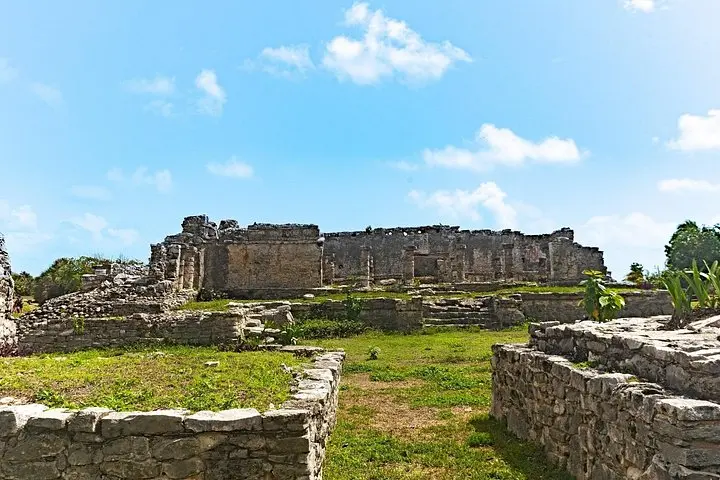
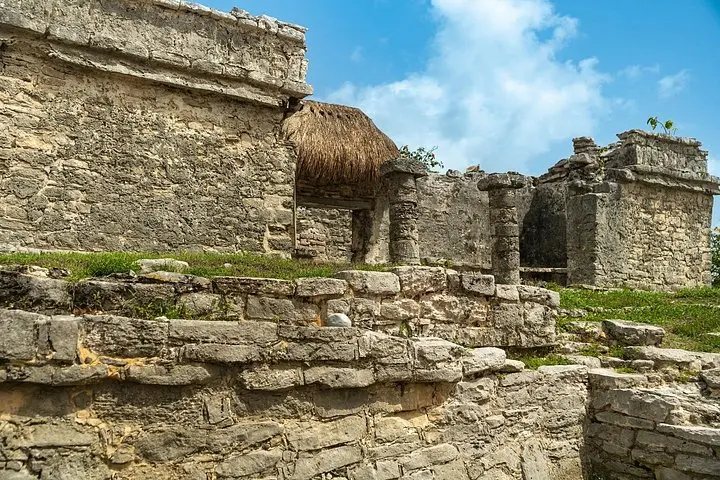
Tulum’s ruins date to the post-classic Maya (roughly 13th–15th centuries) and sit on uplifted coral limestone—rock shaped over millennia by ocean, reef growth and seismic shifts. Cenotes around Tulum are collapsed cavern systems in karst terrain, offering mineral-rich water and dramatic light shafts. Akumal, a protected bay 20–30 minutes south, supports seagrass beds that feed green sea turtles; local conservation rules limit interaction to guided, non-contact snorkeling.
Practical edge: this is a long day (about 12–13 hours) with walking on uneven stone, short beach swims, and shallow snorkeling over seagrass. Follow guides, keep a tight grip on small valuables, and don a rash guard before entering the water—sunscreen is prohibited during the turtle swim. Bring a reusable water bottle, quick-dry layers, and shoes that handle sand, boardwalks and rocky paths.
Timing matters: mornings at Tulum are cooler and less crowded; afternoon light favors snorkeling. Expect two hours at the ruins, a cenote stop for a cool swim, lunch, then a guided 60–90 minute snorkel in Akumal's protected bay. The experience mixes culture, geology and wildlife with straightforward logistics—an efficient way to see three signature Riviera Maya elements in a single, active day.
Yes—basic snorkel gear is included, but you may bring personal gear for comfort and fit.
Yes—there are on-site taxes (Tulum reserve tax and a marine/turtle protection fee) typically collected in cash on the day.
Non-swimmers can still enjoy the ruins and cenote edges; guided snorkeling requires basic swimming ability and a flotation aid if needed.
Approach slowly, do not touch or chase turtles, stay horizontal in the water and follow the guide’s distance instructions; no sunscreen in the water.
AGILA TOURS operates guided outdoor trips and adventures with an emphasis on safety, stewardship, and memorable experiences.
Morning light slices across a low cliff of limestone as a small bus threads the coastal highway toward Tulum. The day opens on the ancient walls — a compact Mayan site perched above the Caribbean, where gulls wheel and the sea dares you to look beyond the stones. After guided exploration, the group slips inland: jungle trails, damp leaf litter, and a sinkhole mouth where freshwater waits cold and clear.
Morning light slices across a low cliff of limestone as a small bus threads the coastal highway toward Tulum. The day opens on the ancient walls — a compact Mayan site perched above the Caribbean, where gulls wheel and the sea dares you to look beyond the stones. After guided exploration, the group slips inland: jungle trails, damp leaf litter, and a sinkhole mouth where freshwater waits cold and clear.
Tulum’s ruins date to the post-classic Maya (roughly 13th–15th centuries) and sit on uplifted coral limestone—rock shaped over millennia by ocean, reef growth and seismic shifts. Cenotes around Tulum are collapsed cavern systems in karst terrain, offering mineral-rich water and dramatic light shafts. Akumal, a protected bay 20–30 minutes south, supports seagrass beds that feed green sea turtles; local conservation rules limit interaction to guided, non-contact snorkeling.
Practical edge: this is a long day (about 12–13 hours) with walking on uneven stone, short beach swims, and shallow snorkeling over seagrass. Follow guides, keep a tight grip on small valuables, and don a rash guard before entering the water—sunscreen is prohibited during the turtle swim. Bring a reusable water bottle, quick-dry layers, and shoes that handle sand, boardwalks and rocky paths.
Timing matters: mornings at Tulum are cooler and less crowded; afternoon light favors snorkeling. Expect two hours at the ruins, a cenote stop for a cool swim, lunch, then a guided 60–90 minute snorkel in Akumal's protected bay. The experience mixes culture, geology and wildlife with straightforward logistics—an efficient way to see three signature Riviera Maya elements in a single, active day.