THE ADVENTURE COLLECTIVE® · Independent discovery and booking for outdoor travel

Explore clifftop Maya ruins with ocean views, then cool off in a nearby cenote—this full‑day tour pairs guided history with a swim in a dramatic underground pool. Practical tips cover timing, fees, fitness and what to pack.
Explore clifftop Maya ruins with ocean views, then cool off in a nearby cenote—this full‑day tour pairs guided history with a swim in a dramatic underground pool. Practical tips cover timing, fees, fitness and what to pack.
A salty breeze scrapes across the limestone cliff as the ancient stone walls of Tulum come into view, white beach and turquoise sea fanning out below. Visitors step from shaded palms onto a compact network of stone plazas and stairways, where a local guide traces trade routes, trade winds and the rise of a late-Postclassic Maya port. The ocean calls from the base of the site; many take a brisk, photo-ready dip on the beach beneath the ruins.
Verified experiences and guided adventures in the surrounding area.
Operated by Cancun Travel Experience · Tulum, Quintana Roo
A salty breeze scrapes across the limestone cliff as the ancient stone walls of Tulum come into view, white beach and turquoise sea fanning out below. Visitors step from shaded palms onto a compact network of stone plazas and stairways, where a local guide traces trade routes, trade winds and the rise of a late-Postclassic Maya port. The ocean calls from the base of the site; many take a brisk, photo-ready dip on the beach beneath the ruins.
Later the group moves inland to a cenote: a collapsed limestone chamber where groundwater pools in a glassy basin. Light slices through a roof opening, revealing stalactites and sculpted flowstone that formed over hundreds of thousands of years. With snorkel in place, the water pushes cool against skin and currents seem to nudge you toward the cavern’s darker passages.
Tulum’s position on a coastal shelf made it strategically valuable for sea trade, while the Yucatán’s porous karst geology is responsible for the region’s extensive underground rivers and cenotes. Modern Tulum blends small fishing-town roots, Maya heritage, and an active conservation debate around visitor impact and development.
Practical details: expect a full-day itinerary (about eight hours), moderate walking on uneven stone and sand, and a mandatory site surcharge payable in cash. Bring reef‑safe sunscreen, plenty of water, swimwear and footwear that can handle both ruins and a wet cave entry. Plan for mid-morning arrival at the ruins to avoid the hottest light and for calmer crowds at the cenote later in the day.
Roundtrip transportation from most Cancun and Riviera Maya hotels is included; confirm your pickup point and note that Tulum hotel pickup may not be available — some travelers must meet at a designated meeting point.
The tour includes admission to the cenote and skip-the-line access to the Tulum archaeological site, but an additional mandatory surcharge (~750 MXN per person) is payable in cash at the site.
Expect moderate exertion: sightseeing on uneven stone, climbing stairs, and swimming or snorkeling in a cenote; travelers should have a moderate level of fitness and no major spinal or cardiovascular issues.
Yes for most families, but it’s not recommended for pregnant travelers or people with serious heart or back problems; children should be supervised in the water and on cliff-edge areas.
Cancun Travel Experience operates guided outdoor trips and adventures with an emphasis on safety, stewardship, and memorable experiences.
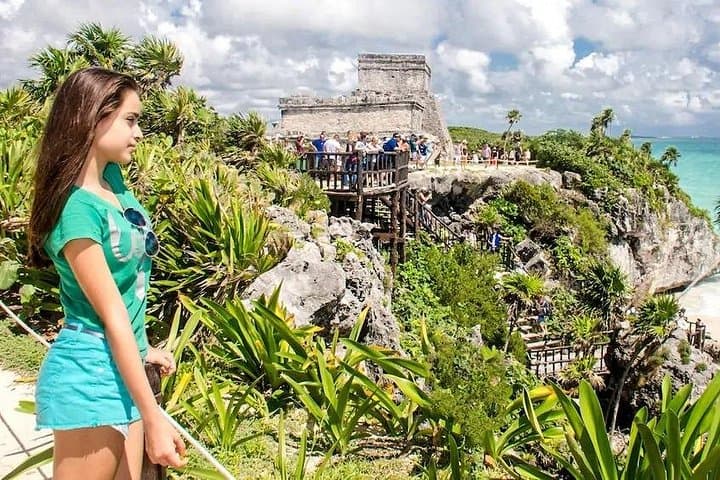
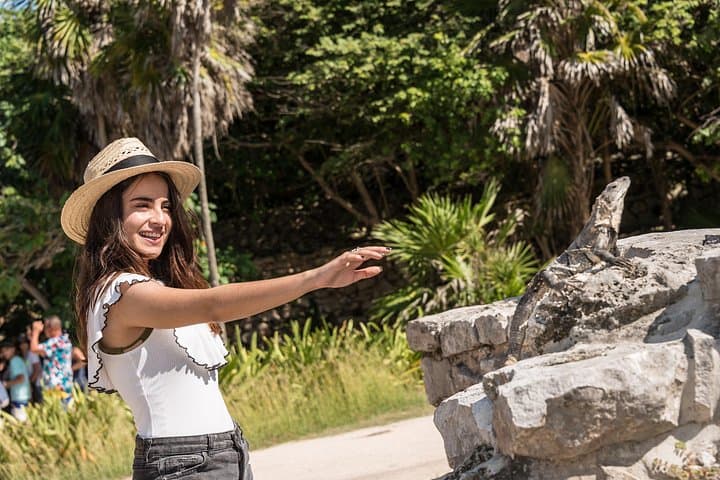
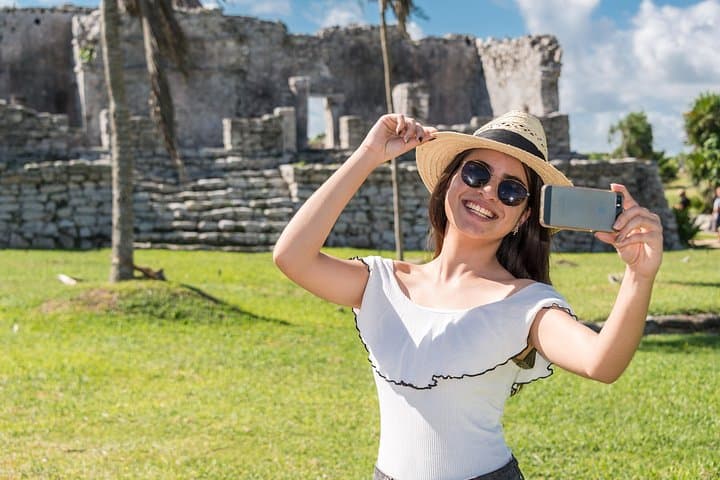
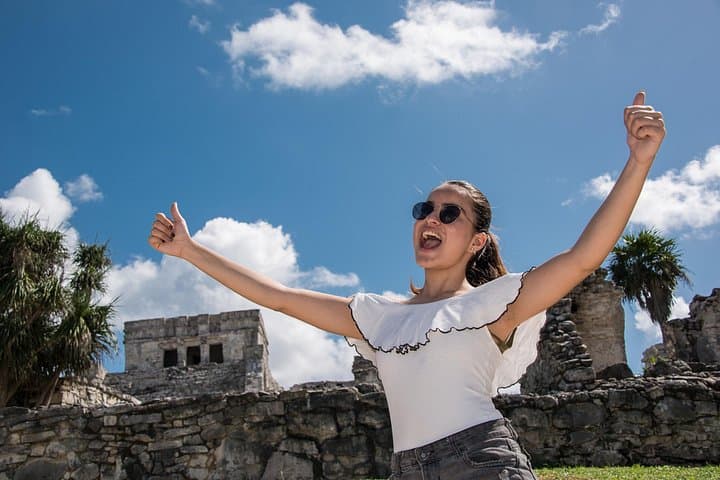
A salty breeze scrapes across the limestone cliff as the ancient stone walls of Tulum come into view, white beach and turquoise sea fanning out below. Visitors step from shaded palms onto a compact network of stone plazas and stairways, where a local guide traces trade routes, trade winds and the rise of a late-Postclassic Maya port. The ocean calls from the base of the site; many take a brisk, photo-ready dip on the beach beneath the ruins.
A salty breeze scrapes across the limestone cliff as the ancient stone walls of Tulum come into view, white beach and turquoise sea fanning out below. Visitors step from shaded palms onto a compact network of stone plazas and stairways, where a local guide traces trade routes, trade winds and the rise of a late-Postclassic Maya port. The ocean calls from the base of the site; many take a brisk, photo-ready dip on the beach beneath the ruins.
Later the group moves inland to a cenote: a collapsed limestone chamber where groundwater pools in a glassy basin. Light slices through a roof opening, revealing stalactites and sculpted flowstone that formed over hundreds of thousands of years. With snorkel in place, the water pushes cool against skin and currents seem to nudge you toward the cavern’s darker passages.
Tulum’s position on a coastal shelf made it strategically valuable for sea trade, while the Yucatán’s porous karst geology is responsible for the region’s extensive underground rivers and cenotes. Modern Tulum blends small fishing-town roots, Maya heritage, and an active conservation debate around visitor impact and development.
Practical details: expect a full-day itinerary (about eight hours), moderate walking on uneven stone and sand, and a mandatory site surcharge payable in cash. Bring reef‑safe sunscreen, plenty of water, swimwear and footwear that can handle both ruins and a wet cave entry. Plan for mid-morning arrival at the ruins to avoid the hottest light and for calmer crowds at the cenote later in the day.