THE ADVENTURE COLLECTIVE® · Independent discovery and booking for outdoor travel

Explore Tulum’s cliff-top ruins, swim in a crystalline cenote, and taste authentic Mayan snacks on a single guided day trip from the Riviera Maya. This compact itinerary blends archaeology, geology, and local flavors with air-conditioned transport and bilingual guides.
Explore Tulum’s cliff-top ruins, swim in a crystalline cenote, and taste authentic Mayan snacks on a single guided day trip from the Riviera Maya. This compact itinerary blends archaeology, geology, and local flavors with air-conditioned transport and bilingual guides.
Salt air and limestone cliffs frame the approach to Tulum, where a compact Mayan city perches on a low bluff and the Caribbean unfurls beyond it. Visitors arrive to a scene of stone temples, sea-bright horizons, and a steady rhythm of guided groups moving between plazas and the famous El Castillo.
Verified experiences and guided adventures in the surrounding area.
Operated by J Capital Travel · Tulum, Quintana Roo
Salt air and limestone cliffs frame the approach to Tulum, where a compact Mayan city perches on a low bluff and the Caribbean unfurls beyond it. Visitors arrive to a scene of stone temples, sea-bright horizons, and a steady rhythm of guided groups moving between plazas and the famous El Castillo.
The site itself dates to the late postclassic Maya period (c. 1200–1521 CE) and served as a coastal port and ceremonial center; its weathered stucco and coral-limestone buildings reflect centuries of wind and salt. The surrounding karst landscape tells its own story: porous limestone riddled with underground rivers, where sinkholes collapsed and formed cenotes — fresh-water windows into the region’s aquifer.
After the archaeological visit, the tour moves inland to a cenote: a cool, clear pool carved by groundwater beneath a canopy of jungle. Stalagmites and overhanging roots give the cavern a deliberate, patient feel; snorkelers and swimmers can expect bright visibility and calm water, with lifejackets provided.
The day rounds out in a local village where traditional Mayan snacks — handmade tortillas, stewed beans, and regional salsas — offer a direct taste of local culture and agroecological practices.
Practical edge: plan for 5–6 hours, wear sturdy closed shoes for walking the ruins, pack reef-safe sunscreen and a quick-dry swimsuit, and bring cash for extra photos or tips. Expect guided interpretation in Spanish and English, moderate walking on uneven paths, and short free periods for photographs and a swim.
This tour provides guided access and time at the ruins but does not always cover official entrance fees—confirm at booking.
Yes; lifejackets are provided and swimming is optional—inform the guide if you need extra assistance.
A traditional Mexican dish and snacks are included; menus are regional and not fully adaptable to all dietary restrictions—notify the operator in advance.
Expect 45–90 minutes of walking on uneven, sometimes sandy or stone surfaces with steps; comfortable shoes recommended.
J Capital Travel operates guided outdoor trips and adventures with an emphasis on safety, stewardship, and memorable experiences.
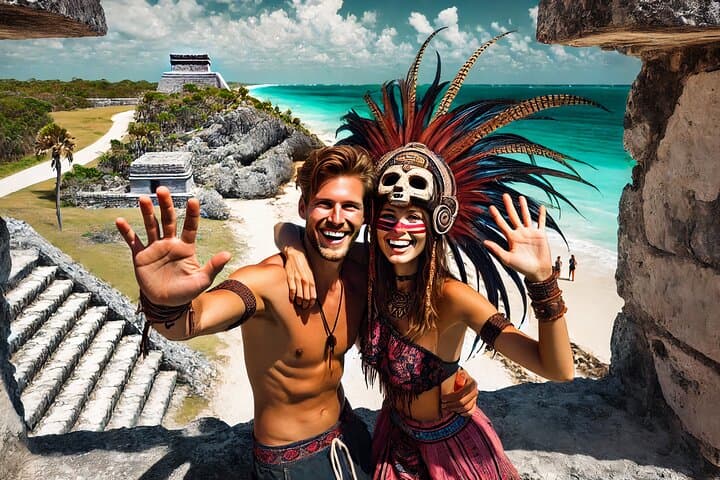
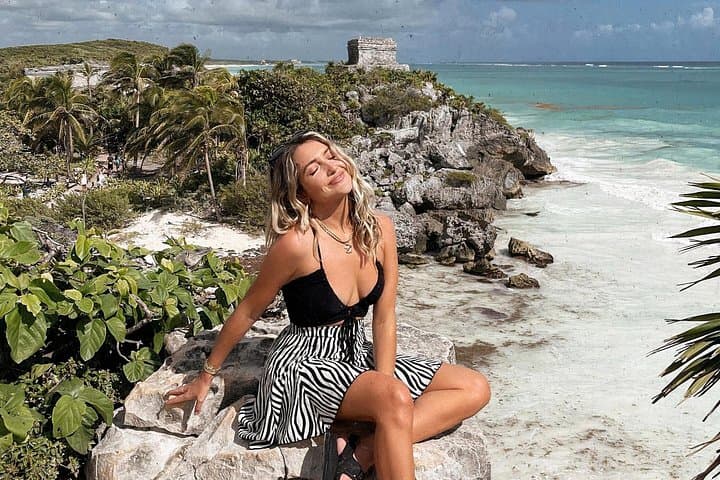
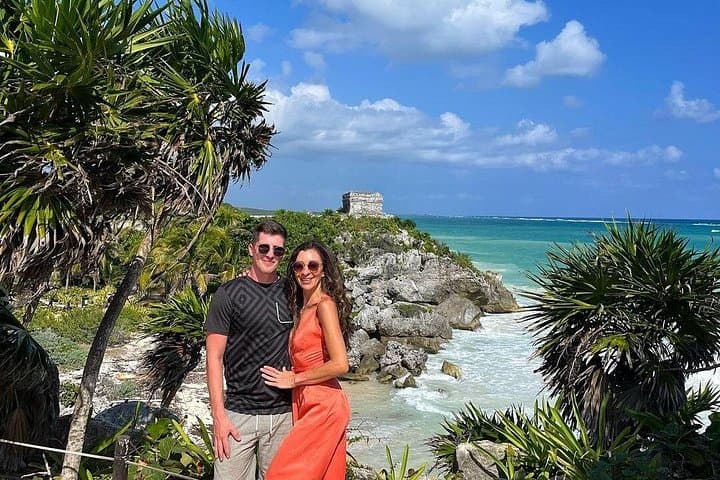
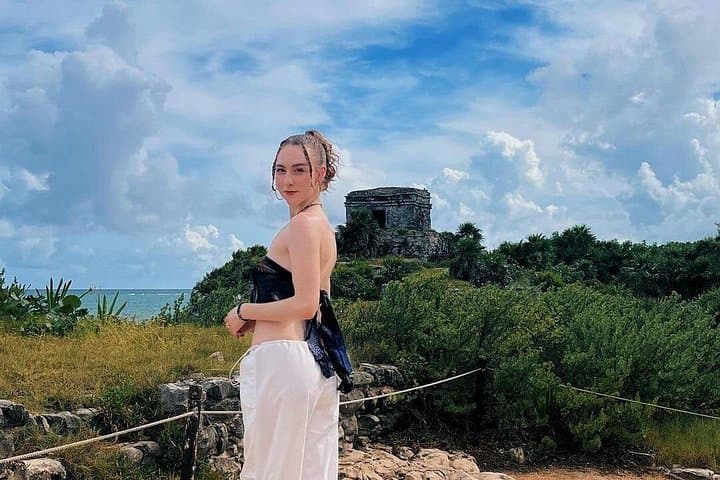
Salt air and limestone cliffs frame the approach to Tulum, where a compact Mayan city perches on a low bluff and the Caribbean unfurls beyond it. Visitors arrive to a scene of stone temples, sea-bright horizons, and a steady rhythm of guided groups moving between plazas and the famous El Castillo.
Salt air and limestone cliffs frame the approach to Tulum, where a compact Mayan city perches on a low bluff and the Caribbean unfurls beyond it. Visitors arrive to a scene of stone temples, sea-bright horizons, and a steady rhythm of guided groups moving between plazas and the famous El Castillo.
The site itself dates to the late postclassic Maya period (c. 1200–1521 CE) and served as a coastal port and ceremonial center; its weathered stucco and coral-limestone buildings reflect centuries of wind and salt. The surrounding karst landscape tells its own story: porous limestone riddled with underground rivers, where sinkholes collapsed and formed cenotes — fresh-water windows into the region’s aquifer.
After the archaeological visit, the tour moves inland to a cenote: a cool, clear pool carved by groundwater beneath a canopy of jungle. Stalagmites and overhanging roots give the cavern a deliberate, patient feel; snorkelers and swimmers can expect bright visibility and calm water, with lifejackets provided.
The day rounds out in a local village where traditional Mayan snacks — handmade tortillas, stewed beans, and regional salsas — offer a direct taste of local culture and agroecological practices.
Practical edge: plan for 5–6 hours, wear sturdy closed shoes for walking the ruins, pack reef-safe sunscreen and a quick-dry swimsuit, and bring cash for extra photos or tips. Expect guided interpretation in Spanish and English, moderate walking on uneven paths, and short free periods for photographs and a swim.