THE ADVENTURE COLLECTIVE® · Independent discovery and booking for outdoor travel

Tumpak Sewu delivers a dramatic, 120‑meter curtain of water carved into a volcanic amphitheater beneath Mount Semeru. This guide explains what to expect on the hike down to the base, seasonal considerations, and practical gear to bring.
Tumpak Sewu delivers a dramatic, 120‑meter curtain of water carved into a volcanic amphitheater beneath Mount Semeru. This guide explains what to expect on the hike down to the base, seasonal considerations, and practical gear to bring.
You arrive at the lip of a deep green amphitheater and the first impression is movement: ribbons of water peel from the rim and drop through mist that tastes faintly of mountain runoff. Tumpak Sewu, on the Lumajang–Malang border, is a vertical stage—120 meters of cascade framed by steep volcanic cliffs with Mount Semeru looming behind like an old, watchful neighbor.
Verified experiences and guided adventures in the surrounding area.
Operated by Moercoyo Adventure · Lumajang, East Java
You arrive at the lip of a deep green amphitheater and the first impression is movement: ribbons of water peel from the rim and drop through mist that tastes faintly of mountain runoff. Tumpak Sewu, on the Lumajang–Malang border, is a vertical stage—120 meters of cascade framed by steep volcanic cliffs with Mount Semeru looming behind like an old, watchful neighbor.
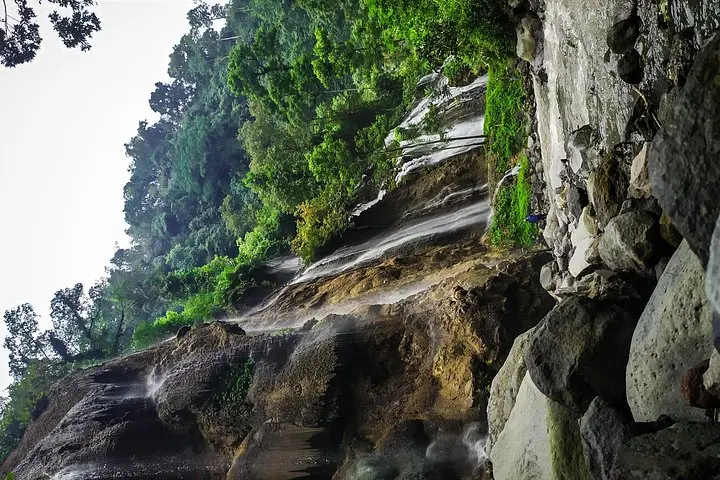
Geology here is recent and raw: basalt and volcanic ash sculpted by the Glidik River have carved a horseshoe canyon that channels dozens of narrow streams into a single, thunderous curtain. Locals call it Coban Sewu or Grojogan Sewu—names that speak to abundance—and the site has long been part of village life, tied to mountain water sources and seasonal rice-field irrigation downstream.
The approach is physical: a descent of steps and slick rock to reach viewing platforms, with better angles from the base where the river gathers. Expect dense vegetation, humid air, and the sound of water pushing everything forward; kingfishers and macaques may watch from perches while dust and spray settle on your camera.
Practical guidance: go in the dry season for clearer trails and safer footing; wear waterproof hiking shoes, bring a lightweight rain shell, and keep electronics in a dry bag. The visit is often a full-day outing from Malang or Lumajang—plan for transport time, a boxed lunch, and a local guide if you want safer access to the base. Respect local pathways, avoid climbing on fragile ledges, and carry out waste; the canyon’s ecosystem responds quickly to human impact. With modest preparation, Tumpak Sewu rewards with scale and a rare cinematic waterfall experience.
The full trip from Malang or Lumajang including transport and time at the falls typically takes 7–12 hours depending on traffic and stops.
The trail includes many steps and some steep, uneven rock; it’s manageable for most people but not suitable for those with serious mobility issues.
Swimming is not generally recommended because of strong currents and submerged rocks; local conditions vary so follow guide advice.
Facilities are basic—small local stalls and toilets near main viewpoints; bring cash, water, and toilet paper.
Moercoyo Adventure operates guided outdoor trips and adventures with an emphasis on safety, stewardship, and memorable experiences.
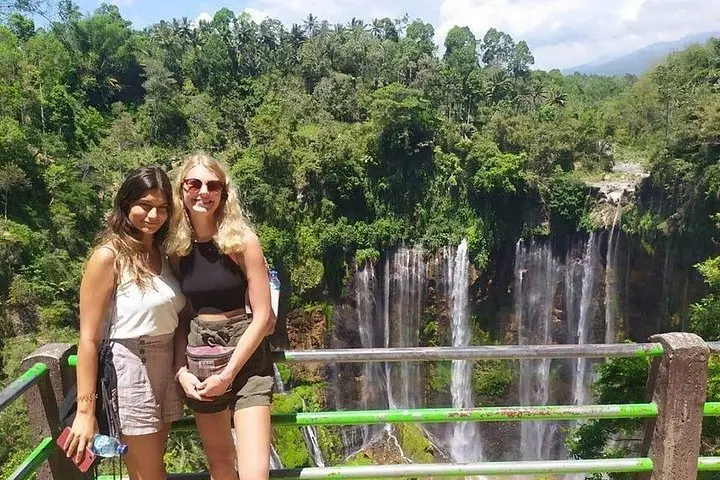
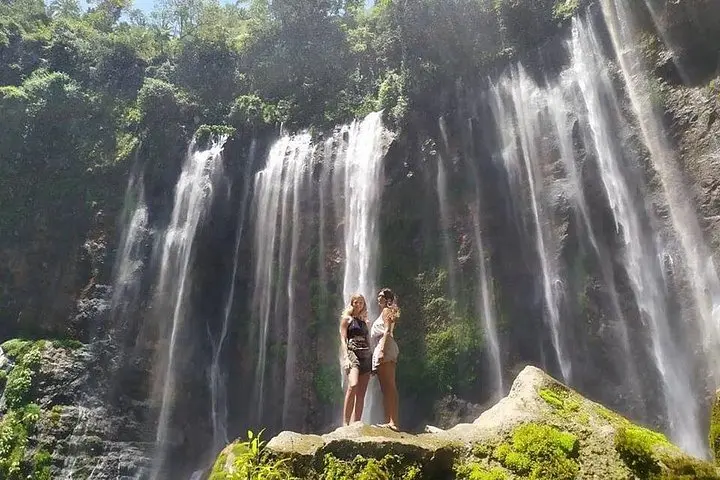
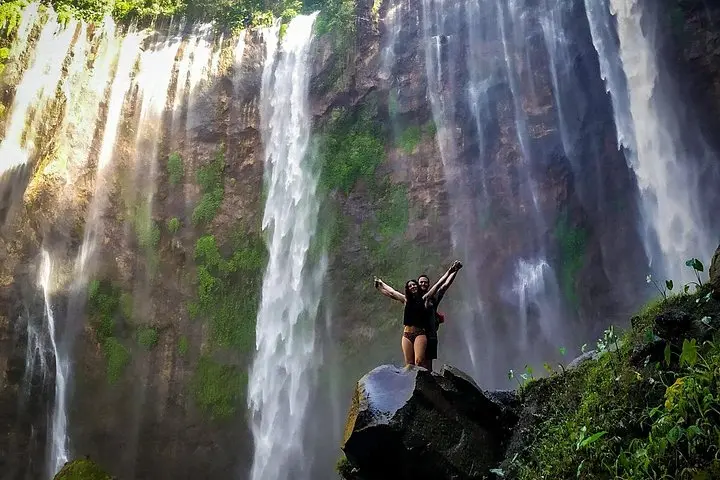
You arrive at the lip of a deep green amphitheater and the first impression is movement: ribbons of water peel from the rim and drop through mist that tastes faintly of mountain runoff. Tumpak Sewu, on the Lumajang–Malang border, is a vertical stage—120 meters of cascade framed by steep volcanic cliffs with Mount Semeru looming behind like an old, watchful neighbor.
You arrive at the lip of a deep green amphitheater and the first impression is movement: ribbons of water peel from the rim and drop through mist that tastes faintly of mountain runoff. Tumpak Sewu, on the Lumajang–Malang border, is a vertical stage—120 meters of cascade framed by steep volcanic cliffs with Mount Semeru looming behind like an old, watchful neighbor.
Geology here is recent and raw: basalt and volcanic ash sculpted by the Glidik River have carved a horseshoe canyon that channels dozens of narrow streams into a single, thunderous curtain. Locals call it Coban Sewu or Grojogan Sewu—names that speak to abundance—and the site has long been part of village life, tied to mountain water sources and seasonal rice-field irrigation downstream.
The approach is physical: a descent of steps and slick rock to reach viewing platforms, with better angles from the base where the river gathers. Expect dense vegetation, humid air, and the sound of water pushing everything forward; kingfishers and macaques may watch from perches while dust and spray settle on your camera.
Practical guidance: go in the dry season for clearer trails and safer footing; wear waterproof hiking shoes, bring a lightweight rain shell, and keep electronics in a dry bag. The visit is often a full-day outing from Malang or Lumajang—plan for transport time, a boxed lunch, and a local guide if you want safer access to the base. Respect local pathways, avoid climbing on fragile ledges, and carry out waste; the canyon’s ecosystem responds quickly to human impact. With modest preparation, Tumpak Sewu rewards with scale and a rare cinematic waterfall experience.