THE ADVENTURE COLLECTIVE® · Independent discovery and booking for outdoor travel

Experience three facets of Tunisia in one day: the archaeological sweep of Carthage, the living maze of Tunis’ Medina, and the sea-swept charm of Sidi Bou Said. This practical guide covers what to expect, key sites, and sensible tips for the journey.
Experience three facets of Tunisia in one day: the archaeological sweep of Carthage, the living maze of Tunis’ Medina, and the sea-swept charm of Sidi Bou Said. This practical guide covers what to expect, key sites, and sensible tips for the journey.
The morning light hits the white-and-blue facades of Sidi Bou Said before the coach pulls away, and the city opens like a map under a bright Mediterranean sky. Travelers step from an air-conditioned vehicle into narrow streets where the sea smells of salt and citrus trees push their scent into doorways. The day moves from the layered stone of Carthage to the labyrinthine alleys of Tunis’ Medina, each stop revealing a different pace of history.
Verified experiences and guided adventures in the surrounding area.
Operated by American Tours · Tunis, Tunis Governorate
The morning light hits the white-and-blue facades of Sidi Bou Said before the coach pulls away, and the city opens like a map under a bright Mediterranean sky. Travelers step from an air-conditioned vehicle into narrow streets where the sea smells of salt and citrus trees push their scent into doorways. The day moves from the layered stone of Carthage to the labyrinthine alleys of Tunis’ Medina, each stop revealing a different pace of history.
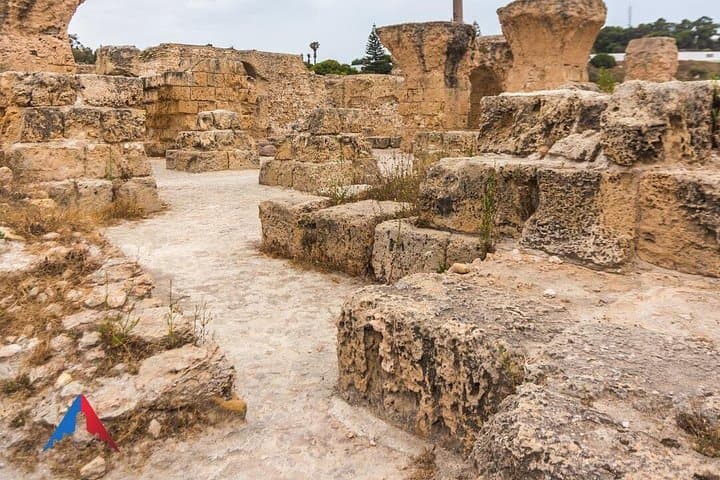
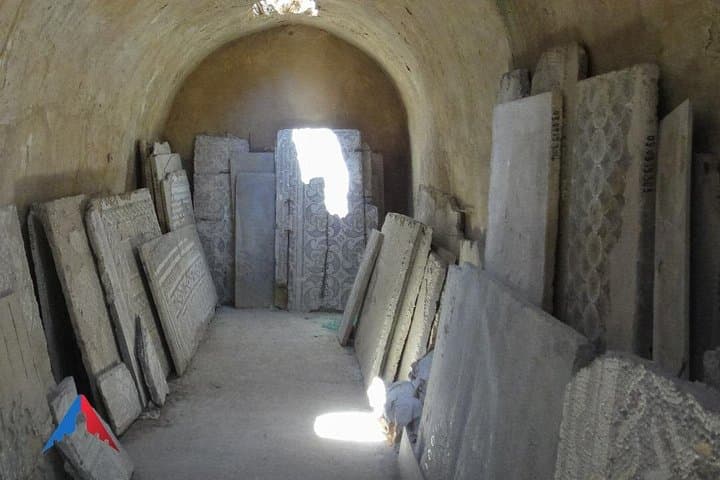
Carthage began as a Phoenician trading post in the 9th century BCE and grew into a Mediterranean power before Roman conquest reshaped its skyline; today, visitors trace fragments of port quays, ruined baths and mosaic floors that record the city's long geology—limestone terraces sloping to the sea. In Tunis, Almohad and Hafsid-era monuments cluster around Al-Zaytuna Mosque; the medina’s artisans maintain centuries-old crafts from metalwork to embroidery. Sidi Bou Said, named for a 13th-century religious figure, offers a late-day coastal panorama from cafés that once drew European artists.
Practical guidance: expect roughly a 4–5 hour guided loop with short walks on uneven ancient stone and cobbled streets, so comfortable walking shoes and sun protection matter. The tour is multilingual and private, with included air-conditioned transport and a guide; bring small change for market purchases and plan for limited time at each stop if you want to linger. Respect archaeological signs, follow your guide’s route, and time visits outside midday when possible to avoid the heat and the crowds.
This tour’s inclusions list transport and guide services; entrance fees are typically not included—confirm with the operator before booking.
Some areas (main museum spaces and certain paths) are accessible, but many archaeological zones and medina alleys are uneven and may limit access; check specific pickup and route options in advance.
The tour is offered with multilingual accredited guides; confirm your preferred language when booking to ensure availability.
Food is not listed as included; the itinerary allows short breaks to sample local cafés in Sidi Bou Said or the Medina—plan for independent meals or snacks.
American Tours operates guided outdoor trips and adventures with an emphasis on safety, stewardship, and memorable experiences.
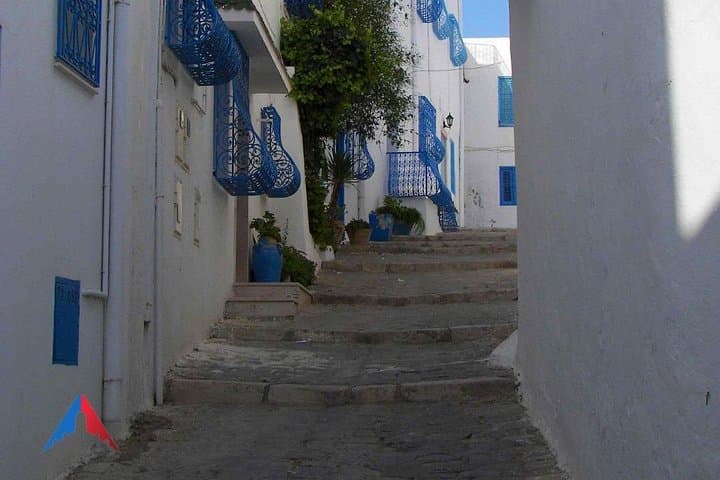

The morning light hits the white-and-blue facades of Sidi Bou Said before the coach pulls away, and the city opens like a map under a bright Mediterranean sky. Travelers step from an air-conditioned vehicle into narrow streets where the sea smells of salt and citrus trees push their scent into doorways. The day moves from the layered stone of Carthage to the labyrinthine alleys of Tunis’ Medina, each stop revealing a different pace of history.
The morning light hits the white-and-blue facades of Sidi Bou Said before the coach pulls away, and the city opens like a map under a bright Mediterranean sky. Travelers step from an air-conditioned vehicle into narrow streets where the sea smells of salt and citrus trees push their scent into doorways. The day moves from the layered stone of Carthage to the labyrinthine alleys of Tunis’ Medina, each stop revealing a different pace of history.
Carthage began as a Phoenician trading post in the 9th century BCE and grew into a Mediterranean power before Roman conquest reshaped its skyline; today, visitors trace fragments of port quays, ruined baths and mosaic floors that record the city's long geology—limestone terraces sloping to the sea. In Tunis, Almohad and Hafsid-era monuments cluster around Al-Zaytuna Mosque; the medina’s artisans maintain centuries-old crafts from metalwork to embroidery. Sidi Bou Said, named for a 13th-century religious figure, offers a late-day coastal panorama from cafés that once drew European artists.
Practical guidance: expect roughly a 4–5 hour guided loop with short walks on uneven ancient stone and cobbled streets, so comfortable walking shoes and sun protection matter. The tour is multilingual and private, with included air-conditioned transport and a guide; bring small change for market purchases and plan for limited time at each stop if you want to linger. Respect archaeological signs, follow your guide’s route, and time visits outside midday when possible to avoid the heat and the crowds.