THE ADVENTURE COLLECTIVE® · Independent discovery and booking for outdoor travel

A seven-day circuit through Tunisia’s richest archaeological sites: Carthage, Dougga, El Jem and Kairouan. This road trip mixes open-air ruins, medina strolls and coastal stops with practical pacing for walkers and history lovers.
A seven-day circuit through Tunisia’s richest archaeological sites: Carthage, Dougga, El Jem and Kairouan. This road trip mixes open-air ruins, medina strolls and coastal stops with practical pacing for walkers and history lovers.
Morning light washes off the Mediterranean and the minivan eases out of Tunis, the city’s white facades receding as scrubby hills and olive groves take over. Over seven days you move with intention — short drives between layered sites, wide-open ruins that dare you to imagine gladiators, merchants and pilgrims who once filled these streets.
Verified experiences and guided adventures in the surrounding area.
Operated by Across Africa Tours LLC · Tunis, Tunis
Morning light washes off the Mediterranean and the minivan eases out of Tunis, the city’s white facades receding as scrubby hills and olive groves take over. Over seven days you move with intention — short drives between layered sites, wide-open ruins that dare you to imagine gladiators, merchants and pilgrims who once filled these streets.
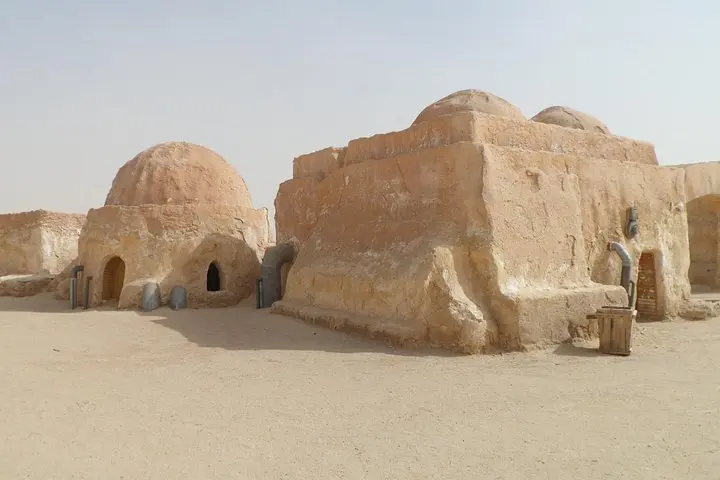
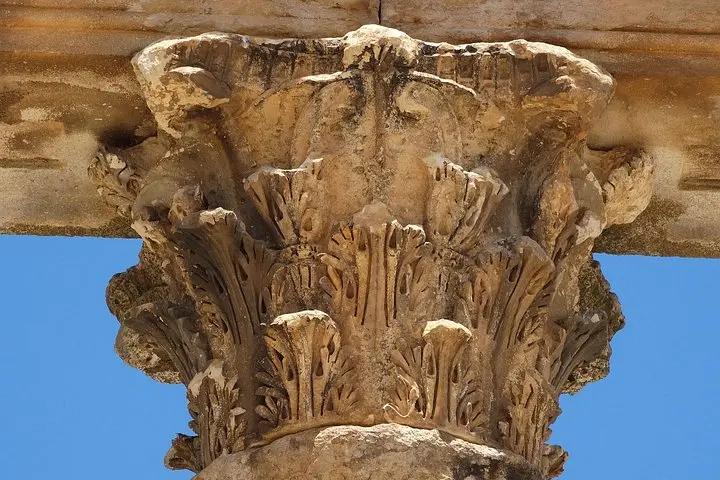
This loop threads Phoenician Carthage’s coastal ruins, the hilltop Roman town of Dougga with its nearly intact forum and theater (sitting at roughly 600 m), the monumental amphitheatre of El Jem, and the spiritual heart of early Islam at Kairouan. Geology here is simple Mediterranean: limestone ridges, fertile coastal plains and salt flats that collect migratory birds. Culturally, the route traces successive civilizations — Punic traders, Roman administrators, Aghlabid architects — visible in mosaics, waterworks and city plans.
Expect walking through exposed archaeological parks on compacted paths and stone steps, occasional steep ramps, and open-site museums. Days are paced: morning visits to major ruins, shaded lunches, afternoons exploring medinas and small ports like Kantaoui. Dress conservatively for mosque visits; wear sturdy walking shoes, bring sun protection and a refillable water bottle. Most entrance fees are bundled with organized packages, but carry small Tunisian dinar for markets and tips.
Practical rhythm matters: aim for spring or fall to avoid midsummer heat, start major sites at first light and leave time for quiet corners of medinas. The trip balances readable history with honest logistics — long views, ancient stone that keeps its secrets but not its welcome.
Organized packages often include standard site and museum fees — confirm on booking; small additional fees may apply at some locations.
Expect daily drives typically from 1–3 hours between major stops, with longer segments on transfer days; pacing allows time for walking tours.
Yes — the itinerary is rated easy, but participants should be comfortable walking on uneven ground and able to manage stairs and ramps at ruins.
Most nationalities need a passport valid for the duration of stay; check visa requirements before travel and carry passport details as requested by operators.
Across Africa Tours LLC operates guided outdoor trips and adventures with an emphasis on safety, stewardship, and memorable experiences.
Morning light washes off the Mediterranean and the minivan eases out of Tunis, the city’s white facades receding as scrubby hills and olive groves take over. Over seven days you move with intention — short drives between layered sites, wide-open ruins that dare you to imagine gladiators, merchants and pilgrims who once filled these streets.
Morning light washes off the Mediterranean and the minivan eases out of Tunis, the city’s white facades receding as scrubby hills and olive groves take over. Over seven days you move with intention — short drives between layered sites, wide-open ruins that dare you to imagine gladiators, merchants and pilgrims who once filled these streets.
This loop threads Phoenician Carthage’s coastal ruins, the hilltop Roman town of Dougga with its nearly intact forum and theater (sitting at roughly 600 m), the monumental amphitheatre of El Jem, and the spiritual heart of early Islam at Kairouan. Geology here is simple Mediterranean: limestone ridges, fertile coastal plains and salt flats that collect migratory birds. Culturally, the route traces successive civilizations — Punic traders, Roman administrators, Aghlabid architects — visible in mosaics, waterworks and city plans.
Expect walking through exposed archaeological parks on compacted paths and stone steps, occasional steep ramps, and open-site museums. Days are paced: morning visits to major ruins, shaded lunches, afternoons exploring medinas and small ports like Kantaoui. Dress conservatively for mosque visits; wear sturdy walking shoes, bring sun protection and a refillable water bottle. Most entrance fees are bundled with organized packages, but carry small Tunisian dinar for markets and tips.
Practical rhythm matters: aim for spring or fall to avoid midsummer heat, start major sites at first light and leave time for quiet corners of medinas. The trip balances readable history with honest logistics — long views, ancient stone that keeps its secrets but not its welcome.