THE ADVENTURE COLLECTIVE® · Independent discovery and booking for outdoor travel
A six-day private loop through Tunisia that pairs UNESCO medinas and Roman ruins with southern oases and sand-scoured ksour. This tailored tour emphasizes local culture, flexible pacing, and overnight options from boutique hotels to desert camps.
A six-day private loop through Tunisia that pairs UNESCO medinas and Roman ruins with southern oases and sand-scoured ksour. This tailored tour emphasizes local culture, flexible pacing, and overnight options from boutique hotels to desert camps.
You arrive at dawn in Tunis; the city exhales a mixture of sea salt and simmering spices as your private vehicle slides through palm-lined boulevards toward the open road. Over six days the asphalt gives way to ochre landscapes where kasbah walls and ancient ruins mark human persistence and the desert pushes back gently, demanding respect.
Verified experiences and guided adventures in the surrounding area.
Operated by Tunez-Monumental · Tunis, Tunis Governorate
You arrive at dawn in Tunis; the city exhales a mixture of sea salt and simmering spices as your private vehicle slides through palm-lined boulevards toward the open road. Over six days the asphalt gives way to ochre landscapes where kasbah walls and ancient ruins mark human persistence and the desert pushes back gently, demanding respect.
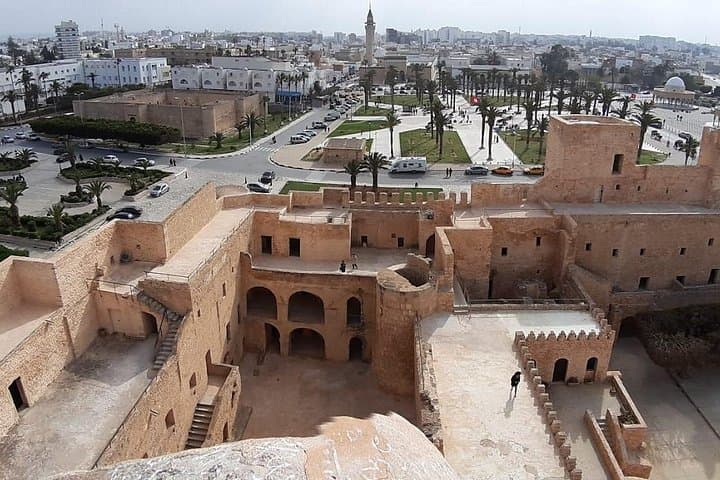
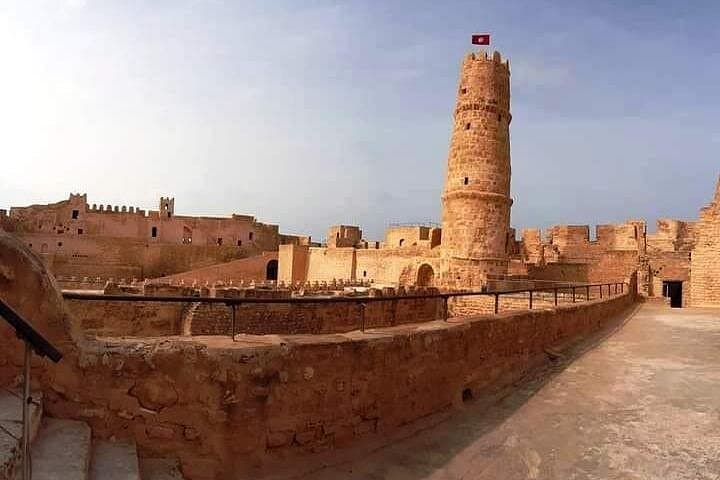
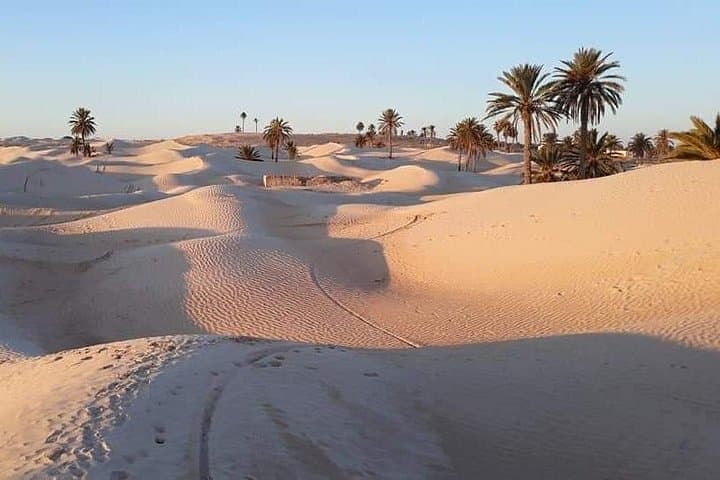
This itinerary stitches together Roman amphitheaters, Berber ksour, oases and salt flats. El Djem’s limestone coliseum recalls imperial pageantry; Matmata’s troglodyte homes and Chenini’s ghorfas speak to adaptive architecture born of climate. Geologically, the south transitions from fertile coastal plain to the Saharan basin and wind-swept dune fields; Chott el Djerid’s reflective salt pan is the residue of ancient lakes, shimmering in heat mirages.
Culturally, expect a layered Tunisia: Arab-Islamic medinas in Sousse and Tunis, rural Berber traditions in the south, and caravan-era forts that once controlled trade routes. Local timing matters—market rhythms and prayer times shape visits.
Practical guidance: pack light layers for big temperature swings, sturdy shoes for uneven ksar paths and sun protection for long desert stretches. The tour runs largely on paved roads with short hikes, so motion sickness medication and a refillable water bottle are useful. Accommodations range from boutique hotels to ecolodges and desert camps; overnighting in an oasis may include basic facilities. Allow flexible time for photo stops and brief walks through medinas. Bring cash for small purchases in rural markets and photocopies of travel documents for checkpoints.
This is a travel experience built for curiosity—history on the map and sand underfoot, designed around your interests rather than a fixed route.
Yes — the itinerary notes stroller accessibility and easy physical demands, but bring child-appropriate sun protection and check accommodation bedding options.
Accommodations range from 4–5 star hotels to ecolodges and desert camps; expect basic facilities in remote lodgings and more services in coastal hotels.
This is a road-based tour with multi-hour transfers between major stops; days combine driving with 1–3 hour visits or short walks at points of interest.
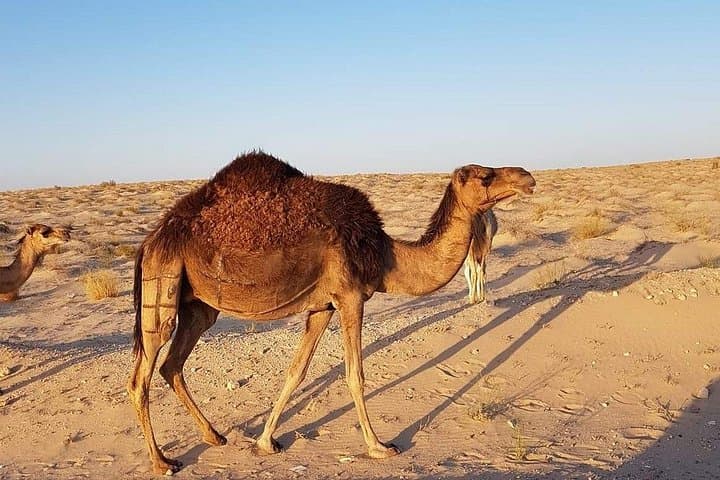
Breakfasts and most dinners are included; some site admissions or optional activities such as camel rides or sandboarding may require extra payment.
Tunez-Monumental operates guided outdoor trips and adventures with an emphasis on safety, stewardship, and memorable experiences.
You arrive at dawn in Tunis; the city exhales a mixture of sea salt and simmering spices as your private vehicle slides through palm-lined boulevards toward the open road. Over six days the asphalt gives way to ochre landscapes where kasbah walls and ancient ruins mark human persistence and the desert pushes back gently, demanding respect.
You arrive at dawn in Tunis; the city exhales a mixture of sea salt and simmering spices as your private vehicle slides through palm-lined boulevards toward the open road. Over six days the asphalt gives way to ochre landscapes where kasbah walls and ancient ruins mark human persistence and the desert pushes back gently, demanding respect.
This itinerary stitches together Roman amphitheaters, Berber ksour, oases and salt flats. El Djem’s limestone coliseum recalls imperial pageantry; Matmata’s troglodyte homes and Chenini’s ghorfas speak to adaptive architecture born of climate. Geologically, the south transitions from fertile coastal plain to the Saharan basin and wind-swept dune fields; Chott el Djerid’s reflective salt pan is the residue of ancient lakes, shimmering in heat mirages.
Culturally, expect a layered Tunisia: Arab-Islamic medinas in Sousse and Tunis, rural Berber traditions in the south, and caravan-era forts that once controlled trade routes. Local timing matters—market rhythms and prayer times shape visits.
Practical guidance: pack light layers for big temperature swings, sturdy shoes for uneven ksar paths and sun protection for long desert stretches. The tour runs largely on paved roads with short hikes, so motion sickness medication and a refillable water bottle are useful. Accommodations range from boutique hotels to ecolodges and desert camps; overnighting in an oasis may include basic facilities. Allow flexible time for photo stops and brief walks through medinas. Bring cash for small purchases in rural markets and photocopies of travel documents for checkpoints.
This is a travel experience built for curiosity—history on the map and sand underfoot, designed around your interests rather than a fixed route.
