THE ADVENTURE COLLECTIVE® · Independent discovery and booking for outdoor travel

A compact, seven-day circuit from Tunis that pairs UNESCO archaeology with coastal cliffs, cedar forests and vibrant medinas. Expect easy walks, scenic drives and layered history from Carthage to Dougga.
A compact, seven-day circuit from Tunis that pairs UNESCO archaeology with coastal cliffs, cedar forests and vibrant medinas. Expect easy walks, scenic drives and layered history from Carthage to Dougga.
You step out of the shade of a white-and-blue riad into North African light: the air tastes faintly of sea salt and citrus, a minaret calls in the distance, and the road curves toward ruins that have watched empires pass for two millennia.
Verified experiences and guided adventures in the surrounding area.
Operated by Tunez-Monumental · Tunis, Tunis
You step out of the shade of a white-and-blue riad into North African light: the air tastes faintly of sea salt and citrus, a minaret calls in the distance, and the road curves toward ruins that have watched empires pass for two millennia.
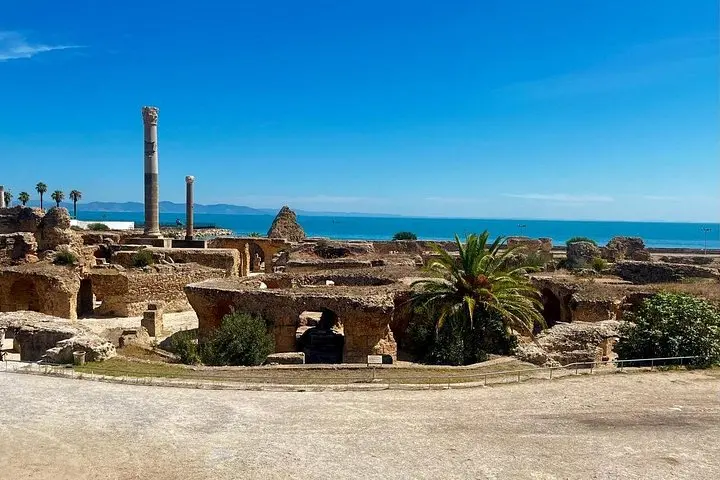
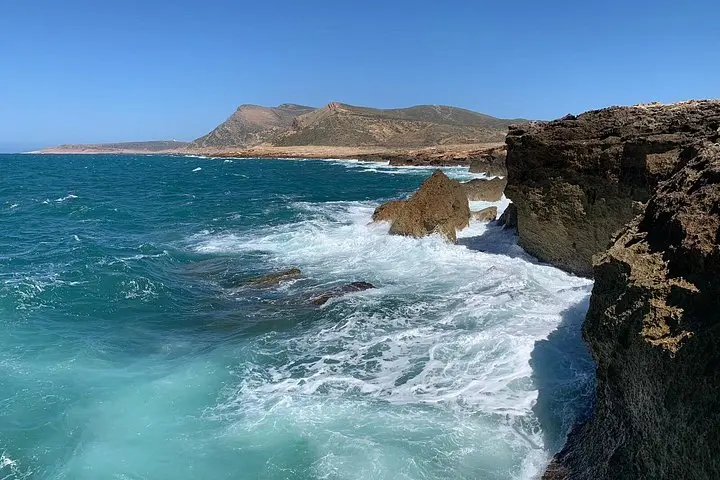
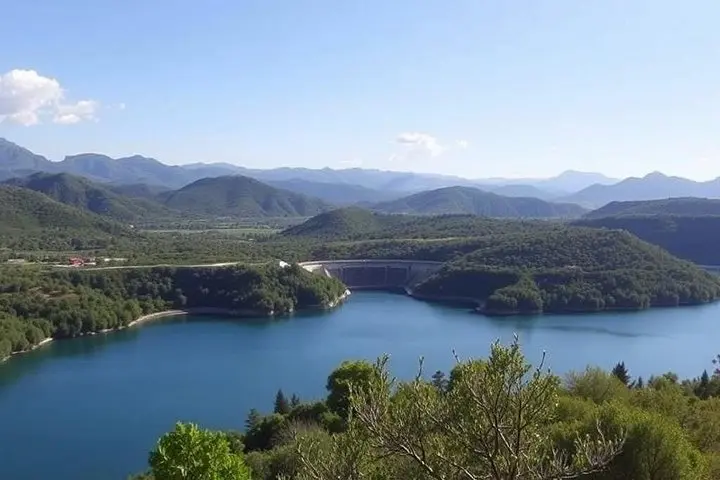
This seven-day loop from Tunis threads classical archaeology, Mediterranean coastline and Kroumirie forestland. Start with Carthage’s scattered stone—Phoenician harbors and Roman villas—then drift through Sidi Bou Said’s cliff-top views and the maze of the Medina of Tunis. Head northwest to Tabarka’s Genoese fortress and coral-sculpted shores, then inland to Ain Draham, where oak and cedar forests climb toward 800–1,000 m and demand short, cool walks.
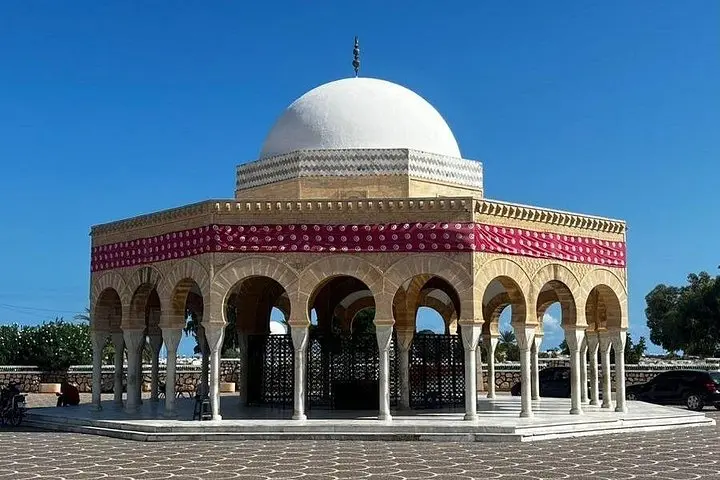
The itinerary visits UNESCO sites at Dougga and Kerkouane and the amphitheater at El Djem, offering a cross-section of Punic, Roman and Islamic layers. Geology shifts from limestone ruins and coastal cliffs to red soils and mountain streams; culture shifts from café life to rural markets and seaside fishing villages.
Practically: expect mostly easy walking—cobblestones, staircases and short trails of 1–5 km—with longer transfers by vehicle between sites. Pack supportive shoes for uneven pavement, a light rain layer for Ain Draham’s microclimate, and sun protection for open ruins and beaches. Hydrate and reserve morning or late-afternoon windows for walking in summer heat.
This tour balances measured cultural immersion with outdoor moments—the sea daring you to pause, the forests pushing you to breathe—and leaves room for independent detours into small towns and shoreline lookouts.
Yes—this itinerary is described as physically easy and private transport reduces strain; check with operators about mobility needs and any required transfers.
The tour includes breakfast on listed days and some entrance fees; verify specifics with the provider as certain archaeological sites may have separate ticketing.
Local guides typically speak French and Arabic; many operators provide English-speaking guides—confirm language preference when booking.
Expect several vehicle transfers between coastal towns and inland sites; daily drives range from short urban hops to multi-hour transfers between regions.
Tunez-Monumental operates guided outdoor trips and adventures with an emphasis on safety, stewardship, and memorable experiences.
You step out of the shade of a white-and-blue riad into North African light: the air tastes faintly of sea salt and citrus, a minaret calls in the distance, and the road curves toward ruins that have watched empires pass for two millennia.
You step out of the shade of a white-and-blue riad into North African light: the air tastes faintly of sea salt and citrus, a minaret calls in the distance, and the road curves toward ruins that have watched empires pass for two millennia.
This seven-day loop from Tunis threads classical archaeology, Mediterranean coastline and Kroumirie forestland. Start with Carthage’s scattered stone—Phoenician harbors and Roman villas—then drift through Sidi Bou Said’s cliff-top views and the maze of the Medina of Tunis. Head northwest to Tabarka’s Genoese fortress and coral-sculpted shores, then inland to Ain Draham, where oak and cedar forests climb toward 800–1,000 m and demand short, cool walks.
The itinerary visits UNESCO sites at Dougga and Kerkouane and the amphitheater at El Djem, offering a cross-section of Punic, Roman and Islamic layers. Geology shifts from limestone ruins and coastal cliffs to red soils and mountain streams; culture shifts from café life to rural markets and seaside fishing villages.
Practically: expect mostly easy walking—cobblestones, staircases and short trails of 1–5 km—with longer transfers by vehicle between sites. Pack supportive shoes for uneven pavement, a light rain layer for Ain Draham’s microclimate, and sun protection for open ruins and beaches. Hydrate and reserve morning or late-afternoon windows for walking in summer heat.
This tour balances measured cultural immersion with outdoor moments—the sea daring you to pause, the forests pushing you to breathe—and leaves room for independent detours into small towns and shoreline lookouts.