
Tuolumne Basecamp Fly Fishing Adventure: Lake‑Run Rainbows Near Yosemite
Spend two or three days at a riverside basecamp learning to wade, cast, and read the Tuolumne River for lake‑run rainbow trout. Guides handle logistics and meals while you focus on techniques from basic casting to Czech nymphing.
An Adventure In Groveland, CA.
Spend two or three days at a riverside basecamp learning to wade, cast, and read the Tuolumne River for lake‑run rainbow trout. Guides handle logistics and meals while you focus on techniques from basic casting to Czech nymphing.
Read the full experience
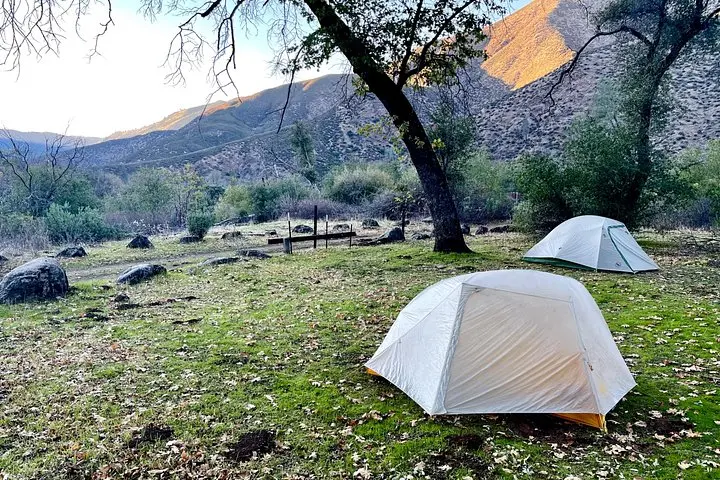
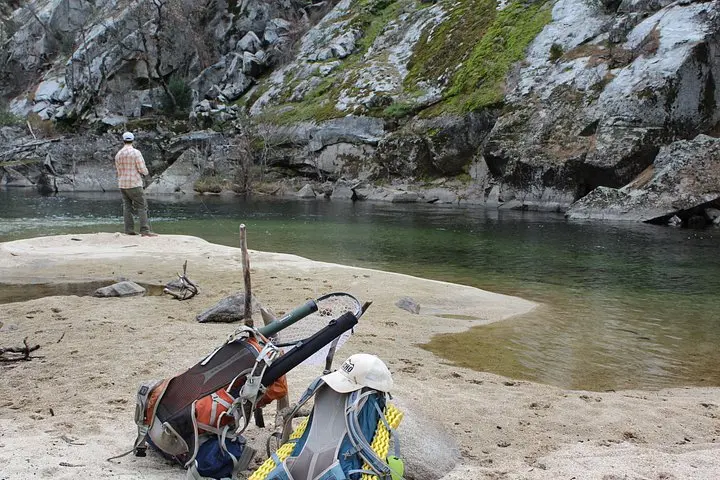
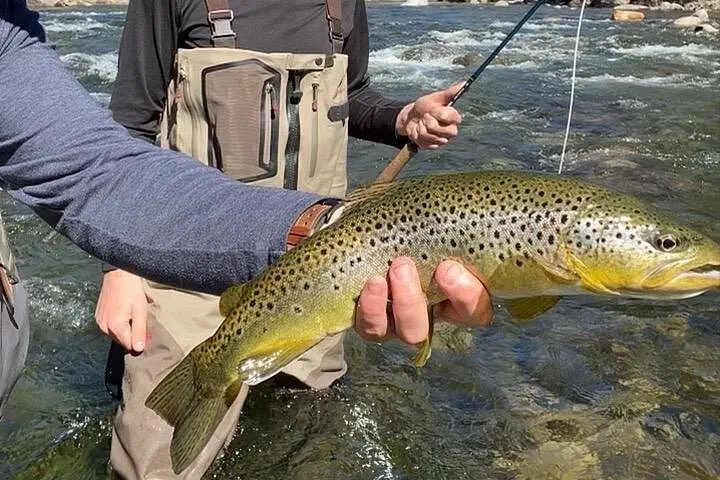
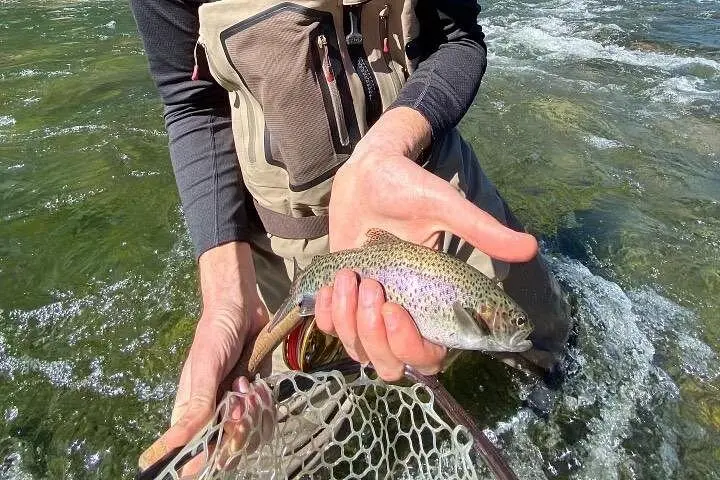
Dawn fog lifts off the Tuolumne River and the current starts to argue with your drift—clear, cold water that nudges flies toward hungry lake-run rainbows. At basecamp, the scent of coffee and bacon replaces the night chill while guides prep rods and waders. The river reads like an open book here: riffles turn to pools, gravel bars cradle runs, and willow-lined braids hide fish that push upriver from the Sierra lakes.
Dawn fog lifts off the Tuolumne River and the current starts to argue with your drift—clear, cold water that nudges flies toward hungry lake-run rainbows. At basecamp, the scent of coffee and bacon replaces the night chill while guides prep rods and waders. The river reads like an open book here: riffles turn to pools, gravel bars cradle runs, and willow-lined braids hide fish that push upriver from the Sierra lakes.
This corridor has long been traveled — homeland of the Sierra Miwok, then a route for gold‑rush prospectors in the 19th century. Geologically, the Tuolumne cuts through granitic bedrock with deposits of glacial outwash that create the braided, wadeable channels anglers favor. Locally, fishing is as much about reading water and seasonal runs as it is about technique: Czech nymphing in early season, dry-fly on warm afternoons, and streaming patterns when the river swells.
Expect a practical, instruction-forward experience: guided hike-and-wade sessions, gear provided, and meals cooked at camp. Learn casting, knot-tying, fly selection and wading safety, or refine nymphing and presentation if you’re advanced. Guides pick meeting points in Groveland and handle logistics so you can focus on watercraft and fish behavior.
Plan on sturdy wading boots, layered clothing for wide diurnal swings, and a valid California fishing license. Time your trip for lower spring flows or late-summer clarity if targeting sight fishing; fall can produce aggressive runs as temperatures cool. Hydrate, respect private access, and follow catch-and-release guidance where requested—these small choices keep fishable water for the next run.
Frequently asked questions
No — the basecamp caters to beginners through advanced anglers; guides tailor instruction from casting basics to advanced nymphing.
Guides supply rods, reels, flies, waders and boots, but feel free to bring personal gear or specialized equipment if you prefer.
Meet at Echo Adventure's Yosemite Basecamp; pickup from Groveland hotels or campsites is available—confirm arrangements when booking.
Meals are included (breakfast, lunch and dinner); guides can accommodate common dietary preferences if notified in advance.
About This Experience
Echo Adventure Cooperative, Inc operates guided outdoor trips and adventures with an emphasis on safety, stewardship, and memorable experiences.
Adventure tips
Recommended gear
- Wading boots with good traction: Provides stability on cobble and in fast, shallow runs.
- Layered, quick-dry clothing: Helps you adapt to cold mornings and warm afternoons on the river.
- Polarized sunglasses & sunscreen: Reduces glare for sight fishing and protects skin during long days on the water.
- Valid California fishing license: Required for legal angling on state waters; bring a physical or digital copy.
Photos of the experience
Related adventures & guides
Read the full experience
Dawn fog lifts off the Tuolumne River and the current starts to argue with your drift—clear, cold water that nudges flies toward hungry lake-run rainbows. At basecamp, the scent of coffee and bacon replaces the night chill while guides prep rods and waders. The river reads like an open book here: riffles turn to pools, gravel bars cradle runs, and willow-lined braids hide fish that push upriver from the Sierra lakes.
Dawn fog lifts off the Tuolumne River and the current starts to argue with your drift—clear, cold water that nudges flies toward hungry lake-run rainbows. At basecamp, the scent of coffee and bacon replaces the night chill while guides prep rods and waders. The river reads like an open book here: riffles turn to pools, gravel bars cradle runs, and willow-lined braids hide fish that push upriver from the Sierra lakes.
This corridor has long been traveled — homeland of the Sierra Miwok, then a route for gold‑rush prospectors in the 19th century. Geologically, the Tuolumne cuts through granitic bedrock with deposits of glacial outwash that create the braided, wadeable channels anglers favor. Locally, fishing is as much about reading water and seasonal runs as it is about technique: Czech nymphing in early season, dry-fly on warm afternoons, and streaming patterns when the river swells.
Expect a practical, instruction-forward experience: guided hike-and-wade sessions, gear provided, and meals cooked at camp. Learn casting, knot-tying, fly selection and wading safety, or refine nymphing and presentation if you’re advanced. Guides pick meeting points in Groveland and handle logistics so you can focus on watercraft and fish behavior.
Plan on sturdy wading boots, layered clothing for wide diurnal swings, and a valid California fishing license. Time your trip for lower spring flows or late-summer clarity if targeting sight fishing; fall can produce aggressive runs as temperatures cool. Hydrate, respect private access, and follow catch-and-release guidance where requested—these small choices keep fishable water for the next run.
Make a day of it nearby.
Verified experiences and guided adventures in the surrounding area.