THE ADVENTURE COLLECTIVE® · Independent discovery and booking for outdoor travel

Descend into Salina Turda on a four-hour guided tour from Cluj and explore vast salt chambers, an underground lake, and a quirky Ferris wheel. This tour balances history and hands-on experiences—expect stairs, cool air, and a striking geological setting.
Descend into Salina Turda on a four-hour guided tour from Cluj and explore vast salt chambers, an underground lake, and a quirky Ferris wheel. This tour balances history and hands-on experiences—expect stairs, cool air, and a striking geological setting.
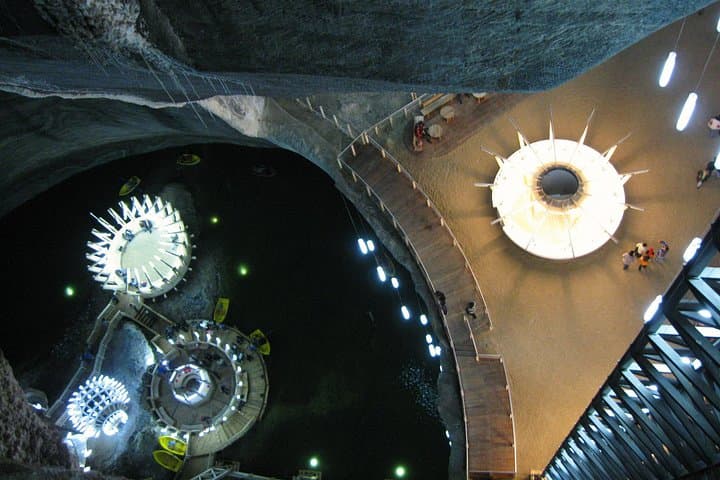
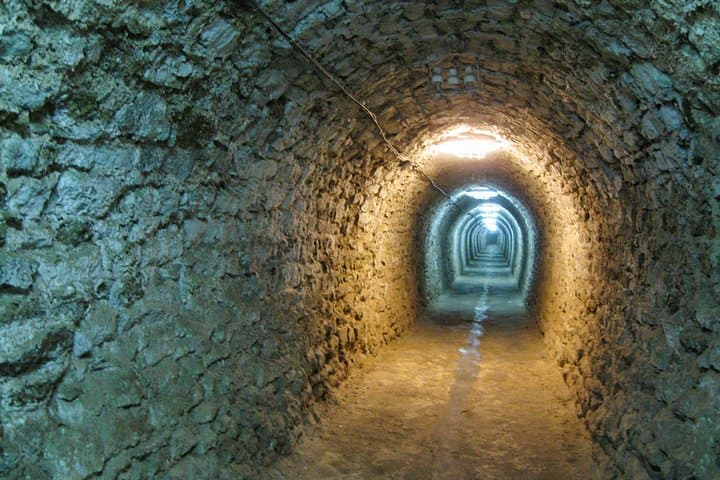
You step off the minibus and a cool, dry hush meets you—stone stairs hollow beneath your feet and the air smells faintly of mineral and old rope. Descending into Salina Turda is like entering a different climate: the temperature drops to roughly 10–12°C (50–53°F), light shifts to artificial pools and accent lighting, and massive carved chambers open like rooms in a cathedral of salt.
Verified experiences and guided adventures in the surrounding area.
Operated by Get a Cluj Tour · Turda, Cluj County
You step off the minibus and a cool, dry hush meets you—stone stairs hollow beneath your feet and the air smells faintly of mineral and old rope. Descending into Salina Turda is like entering a different climate: the temperature drops to roughly 10–12°C (50–53°F), light shifts to artificial pools and accent lighting, and massive carved chambers open like rooms in a cathedral of salt.
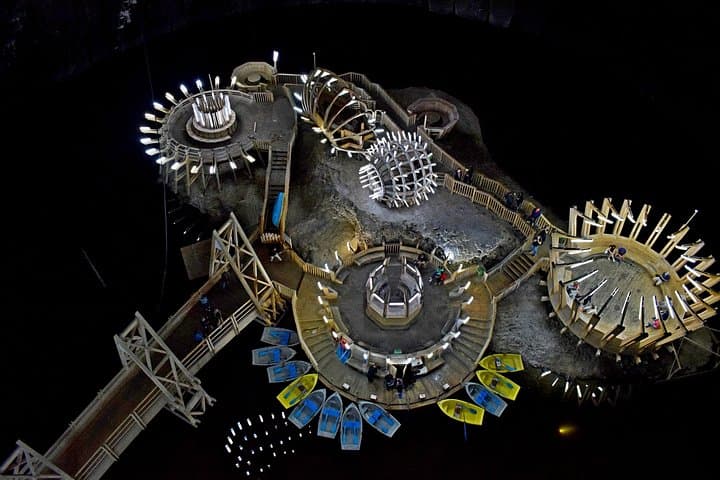
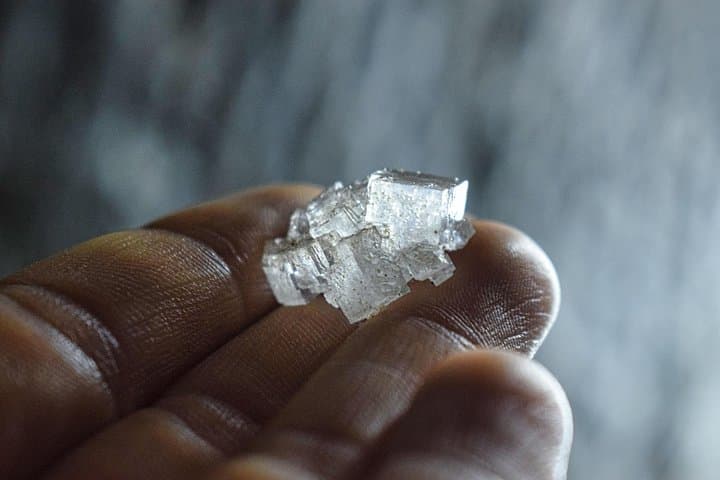
The mine has roots in centuries of salt extraction, with hand-hewn galleries expanded into industrial shafts through the 17th–19th centuries. Geologically it’s a salt diapir—thick halite deposits shaped by groundwater and time—now repurposed as a museum and leisure space. Locals tell stories of therapeutic visits and miners’ techniques; the contrast between human engineering and raw geology is striking as you walk former working floors now fitted with an underground lake, a small Ferris wheel, and wooden walkways.
Practical notes: the standard tour lasts about four hours with guided transfers from Cluj; expect stairs (guides may require stairs in high season—about 350 steps one way) but two elevators provide alternatives. Comfortable, non-slip shoes and a light jacket are essential; cameras fare well in the wide chambers but watch low ceilings in places. The boat ride and Ferris wheel are optional and add a playful element to a fundamentally historical visit.
Plan transfers with time for queues during peak months, and be prepared for a steady, cool microclimate throughout. Respect preserved surfaces, and let the salt remind you that this is both a cultural site and a fragile underground ecosystem.
Yes—two elevators serve the site and can reduce stair use, but in peak season guides may route groups via stairs due to elevator queues.
Boat rides and the Ferris wheel are offered on-site; inclusion depends on your ticket option—confirm when booking.
Not recommended for children under 3, or for visitors with claustrophobia or severe heart conditions; the environment includes enclosed chambers and stairways.
Most tours include round-trip transfers by minibus; independent travelers can drive ~30–40 minutes (depending on traffic) and use the visitor entrance at Turda.
Get a Cluj Tour operates guided outdoor trips and adventures with an emphasis on safety, stewardship, and memorable experiences.
You step off the minibus and a cool, dry hush meets you—stone stairs hollow beneath your feet and the air smells faintly of mineral and old rope. Descending into Salina Turda is like entering a different climate: the temperature drops to roughly 10–12°C (50–53°F), light shifts to artificial pools and accent lighting, and massive carved chambers open like rooms in a cathedral of salt.
You step off the minibus and a cool, dry hush meets you—stone stairs hollow beneath your feet and the air smells faintly of mineral and old rope. Descending into Salina Turda is like entering a different climate: the temperature drops to roughly 10–12°C (50–53°F), light shifts to artificial pools and accent lighting, and massive carved chambers open like rooms in a cathedral of salt.
The mine has roots in centuries of salt extraction, with hand-hewn galleries expanded into industrial shafts through the 17th–19th centuries. Geologically it’s a salt diapir—thick halite deposits shaped by groundwater and time—now repurposed as a museum and leisure space. Locals tell stories of therapeutic visits and miners’ techniques; the contrast between human engineering and raw geology is striking as you walk former working floors now fitted with an underground lake, a small Ferris wheel, and wooden walkways.
Practical notes: the standard tour lasts about four hours with guided transfers from Cluj; expect stairs (guides may require stairs in high season—about 350 steps one way) but two elevators provide alternatives. Comfortable, non-slip shoes and a light jacket are essential; cameras fare well in the wide chambers but watch low ceilings in places. The boat ride and Ferris wheel are optional and add a playful element to a fundamentally historical visit.
Plan transfers with time for queues during peak months, and be prepared for a steady, cool microclimate throughout. Respect preserved surfaces, and let the salt remind you that this is both a cultural site and a fragile underground ecosystem.