THE ADVENTURE COLLECTIVE® · Independent discovery and booking for outdoor travel

Explore Turin’s chocolate legacy on a compact 2.5-hour semi-private walking tour. Taste gianduja, pralines and chocolate gelato while a local foodie explains the city’s confectionery history and techniques.
Explore Turin’s chocolate legacy on a compact 2.5-hour semi-private walking tour. Taste gianduja, pralines and chocolate gelato while a local foodie explains the city’s confectionery history and techniques.
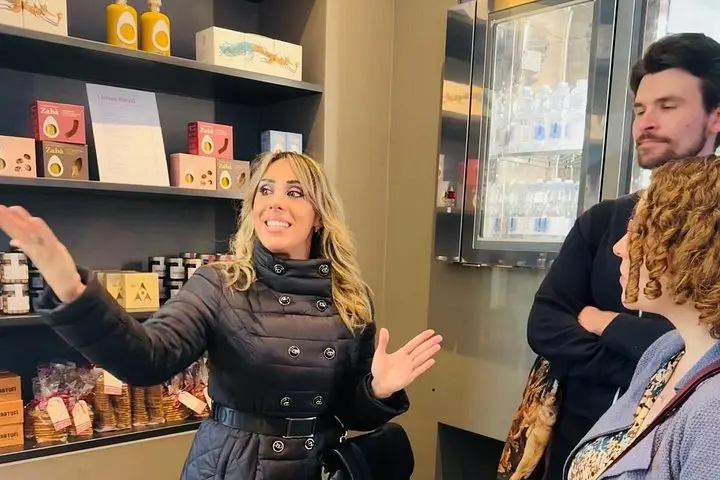
The walk begins at a piazza in Turin’s historical core, where cool marble underfoot reflects the city’s baroque facades and the smell of espresso threads through the air. Guests move in a small group, led by a local food expert who opens shop doors and introduces the mechanics behind pralines, gianduja and the region’s dense chocolate culture.
Verified experiences and guided adventures in the surrounding area.
Operated by I Eat Food Tours Turin · Turin, Piedmont
The walk begins at a piazza in Turin’s historical core, where cool marble underfoot reflects the city’s baroque facades and the smell of espresso threads through the air. Guests move in a small group, led by a local food expert who opens shop doors and introduces the mechanics behind pralines, gianduja and the region’s dense chocolate culture.
Turin’s chocolate story is pragmatic: cocoa shortages in the early 1800s pushed chocolatiers to blend hazelnuts into paste, birthing gianduja—an innovation that turned scarcity into a regional specialty. The tour follows that arc, pausing at century-old pasticcerias and modern ateliers to compare technique, texture and bean-to-bar choices. Alongside architectural notes—the porticoes, the elegant cafés—guides explain how Piedmont’s climate and local hazelnut groves shaped flavor profiles.
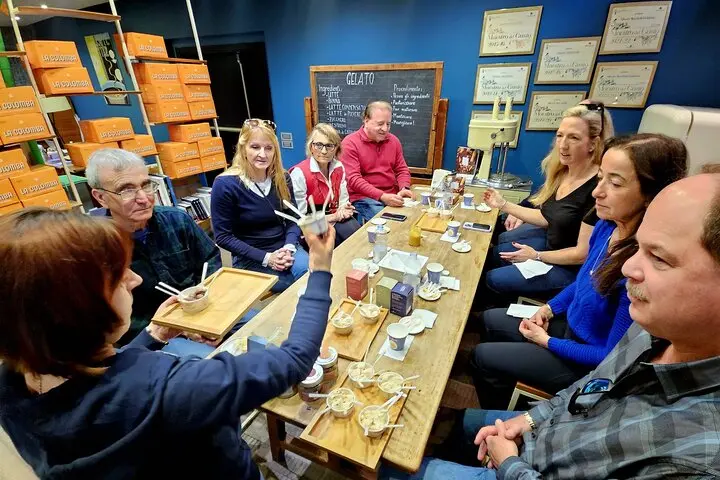
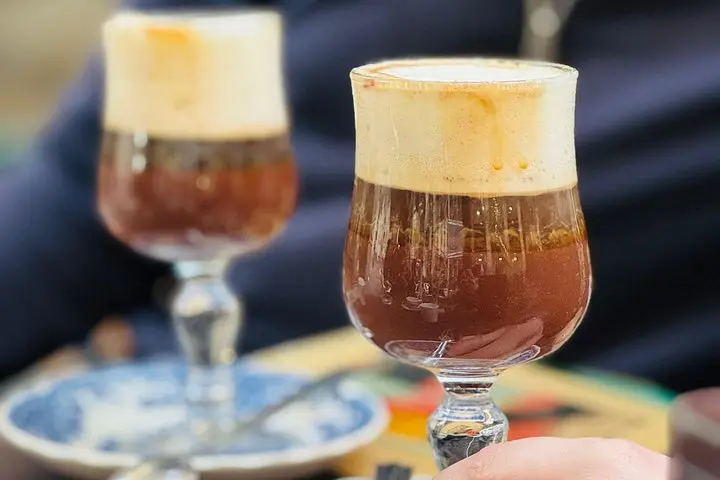
Expect short, flat walks (about 1.2 km total) between tasting stops with time to watch artisans pipe ganache, temper chocolate and plate pralines. Tastings include traditional gianduja, artisan pralines, chocolate gelato and Turin’s coffee specialties. The experience mixes sensory learning with practical tips: how to read labels, spot quality chocolate, and pair sweets with coffee.
Practicalities matter: shoes for cobbles, a light jacket for café seating, and advance notice of dietary restrictions. The tour is compact and conversational—ideal for food-minded travelers who want a focused, educational taste of Torino’s sweet side without lengthy hiking or strenuous activity.
The tour lasts about 2.5 hours with roughly 1.2 km of easy, mostly flat walking between sampling stops.
Inform the operator at booking; some alternatives may be offered but trace cross-contamination is possible and not all substitutions are guaranteed.
Guides commonly speak English and Italian; tours may be bilingual depending on the group.
Infants up to 3 join free; children 4 and older pay full price as the tour has a single ticket rate for all participants.
I Eat Food Tours Turin operates guided outdoor trips and adventures with an emphasis on safety, stewardship, and memorable experiences.

The walk begins at a piazza in Turin’s historical core, where cool marble underfoot reflects the city’s baroque facades and the smell of espresso threads through the air. Guests move in a small group, led by a local food expert who opens shop doors and introduces the mechanics behind pralines, gianduja and the region’s dense chocolate culture.
The walk begins at a piazza in Turin’s historical core, where cool marble underfoot reflects the city’s baroque facades and the smell of espresso threads through the air. Guests move in a small group, led by a local food expert who opens shop doors and introduces the mechanics behind pralines, gianduja and the region’s dense chocolate culture.
Turin’s chocolate story is pragmatic: cocoa shortages in the early 1800s pushed chocolatiers to blend hazelnuts into paste, birthing gianduja—an innovation that turned scarcity into a regional specialty. The tour follows that arc, pausing at century-old pasticcerias and modern ateliers to compare technique, texture and bean-to-bar choices. Alongside architectural notes—the porticoes, the elegant cafés—guides explain how Piedmont’s climate and local hazelnut groves shaped flavor profiles.
Expect short, flat walks (about 1.2 km total) between tasting stops with time to watch artisans pipe ganache, temper chocolate and plate pralines. Tastings include traditional gianduja, artisan pralines, chocolate gelato and Turin’s coffee specialties. The experience mixes sensory learning with practical tips: how to read labels, spot quality chocolate, and pair sweets with coffee.
Practicalities matter: shoes for cobbles, a light jacket for café seating, and advance notice of dietary restrictions. The tour is compact and conversational—ideal for food-minded travelers who want a focused, educational taste of Torino’s sweet side without lengthy hiking or strenuous activity.