THE ADVENTURE COLLECTIVE® · Independent discovery and booking for outdoor travel

Drive the dramatic spine of Turnagain Arm, walk among rescued Alaskan megafauna at AWCC, and watch hanging glaciers spill down Portage Valley. This full-day tour pairs roadside viewpoints with close-up wildlife and an easy lunch in Girdwood.
Drive the dramatic spine of Turnagain Arm, walk among rescued Alaskan megafauna at AWCC, and watch hanging glaciers spill down Portage Valley. This full-day tour pairs roadside viewpoints with close-up wildlife and an easy lunch in Girdwood.
You step off the shuttle at Beluga Point and the arm of the sea looks like a living thing: glass-gray water hunched against a spine of mountains, tides pulling at the shoreline with a visible urgency.
Verified experiences and guided adventures in the surrounding area.
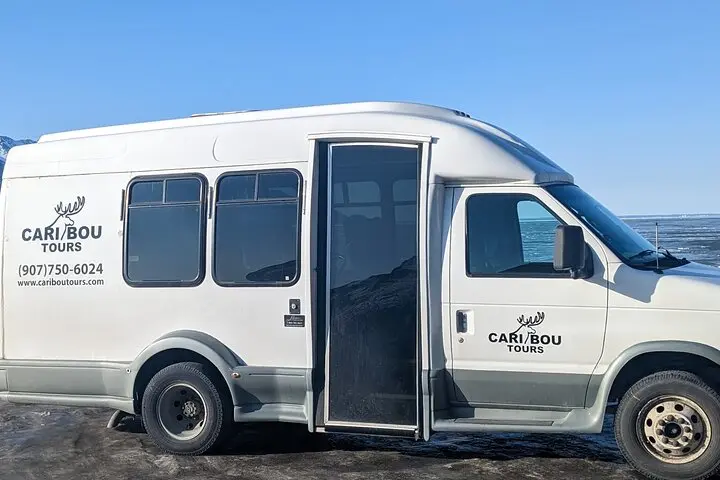
Operated by caribou tours · Anchorage, Alaska
You step off the shuttle at Beluga Point and the arm of the sea looks like a living thing: glass-gray water hunched against a spine of mountains, tides pulling at the shoreline with a visible urgency.
The guide's voice drifts over the engine hum—facts, local stories, an alert about birdlife—and the road becomes a slow reveal. Mountains fall steeply to the highway, glaciers hang on cliffs like pale ribbons, and every pullout feels like an invitation to stop and stare. Along Turnagain Arm the landscape feels kinetic: tides daring you to watch, rockslides keeping the slopes honest, and snowfields that remember long winters.
This corridor has always been a route of movement. For millennia the Dena'ina people navigated these waters and valleys for fish and trade; later the Alaska Railroad and the Seward Highway stitched Anchorage to the southern fjords, bringing miners, rail workers, and tourists. Geologically, Turnagain Arm is a glacially carved inlet—U-shaped valleys, hanging cirques, and the fractured toes of alpine glaciers feed the rivers that braid through Portage Valley.
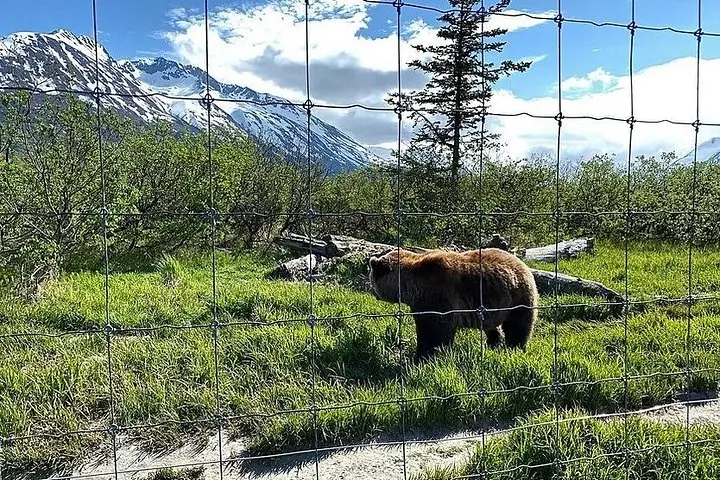
The tour stitches together those stories with simple, up-close experiences: a guided walk through the Alaska Wildlife Conservation Center (AWCC) where rescued brown bears, muskox, and wood bison make improbable neighbors; a drive up Portage Valley to view Explorer and Byron Glaciers; a lunch stop in Girdwood where the rainforest smells like fresh cedar and rain; and potential beluga whale sightings along the arm.
Practical edge: the day is paced for easy watching, not strenuous hiking. Expect multiple short stops, some boardwalks (Potter Marsh), and photo viewpoints beside the highway. Weather changes fast—sun to mist to squall—so layers are non-negotiable. Binoculars and a zoom lens turn distant shapes into wildlife encounters; a lightweight rain shell keeps you comfortable when coastal wind brings drizzle.
If you're planning this trip, aim for morning departures when light slants across the mountains and the animal viewing can be clearer. Bring motion-sickness remedies if you are sensitive to winding coastal roads. The AWCC visit lasts about an hour and is admission-included, leaving time to reach Portage Valley for glacier views before a relaxed lunch in Girdwood.
For photographers, look for low-angle light on the glacier faces and tide flats at Beluga Point for reflections. For families, the itinerary is stroller-friendly and educational: guides point out where animals prefer to hide and explain the glacier processes that shaped the valley.
In short: this full-day loop is less about hard travel and more about proximity—placing you close enough to hear waterfalls, smell spruce, and watch coastal life unfold from the warmth of a knowledgeable guide.
The tour runs about six hours, typically departing in the morning and returning to Anchorage in the afternoon.
Yes—entry to the AWCC is provided as part of the tour price.
You’ll view hanging glaciers like Explorer and Byron from safe roadside overlooks and short viewpoints; this tour doesn’t include glacier trekking.
Yes—hotel pickup within Anchorage is available; operators may arrive up to 30 minutes early to collect guests.
The tour includes a lunch stop in Girdwood (lunch provided) and restroom breaks during scheduled stops.
Yes—infants and small children can use strollers; the itinerary notes stroller access and infant seats when requested.
caribou tours operates guided outdoor trips and adventures with an emphasis on safety, stewardship, and memorable experiences.
You step off the shuttle at Beluga Point and the arm of the sea looks like a living thing: glass-gray water hunched against a spine of mountains, tides pulling at the shoreline with a visible urgency.
You step off the shuttle at Beluga Point and the arm of the sea looks like a living thing: glass-gray water hunched against a spine of mountains, tides pulling at the shoreline with a visible urgency.
The guide's voice drifts over the engine hum—facts, local stories, an alert about birdlife—and the road becomes a slow reveal. Mountains fall steeply to the highway, glaciers hang on cliffs like pale ribbons, and every pullout feels like an invitation to stop and stare. Along Turnagain Arm the landscape feels kinetic: tides daring you to watch, rockslides keeping the slopes honest, and snowfields that remember long winters.
This corridor has always been a route of movement. For millennia the Dena'ina people navigated these waters and valleys for fish and trade; later the Alaska Railroad and the Seward Highway stitched Anchorage to the southern fjords, bringing miners, rail workers, and tourists. Geologically, Turnagain Arm is a glacially carved inlet—U-shaped valleys, hanging cirques, and the fractured toes of alpine glaciers feed the rivers that braid through Portage Valley.
The tour stitches together those stories with simple, up-close experiences: a guided walk through the Alaska Wildlife Conservation Center (AWCC) where rescued brown bears, muskox, and wood bison make improbable neighbors; a drive up Portage Valley to view Explorer and Byron Glaciers; a lunch stop in Girdwood where the rainforest smells like fresh cedar and rain; and potential beluga whale sightings along the arm.
Practical edge: the day is paced for easy watching, not strenuous hiking. Expect multiple short stops, some boardwalks (Potter Marsh), and photo viewpoints beside the highway. Weather changes fast—sun to mist to squall—so layers are non-negotiable. Binoculars and a zoom lens turn distant shapes into wildlife encounters; a lightweight rain shell keeps you comfortable when coastal wind brings drizzle.
If you're planning this trip, aim for morning departures when light slants across the mountains and the animal viewing can be clearer. Bring motion-sickness remedies if you are sensitive to winding coastal roads. The AWCC visit lasts about an hour and is admission-included, leaving time to reach Portage Valley for glacier views before a relaxed lunch in Girdwood.
For photographers, look for low-angle light on the glacier faces and tide flats at Beluga Point for reflections. For families, the itinerary is stroller-friendly and educational: guides point out where animals prefer to hide and explain the glacier processes that shaped the valley.
In short: this full-day loop is less about hard travel and more about proximity—placing you close enough to hear waterfalls, smell spruce, and watch coastal life unfold from the warmth of a knowledgeable guide.