THE ADVENTURE COLLECTIVE® · Independent discovery and booking for outdoor travel

Spend ten hours tracing Silk Road layers across Turpan: minarets, karez wells, grape-lined valleys and cave murals. This private full-day tour combines geology, history and living Uyghur culture with flexible timing to beat the heat.
Spend ten hours tracing Silk Road layers across Turpan: minarets, karez wells, grape-lined valleys and cave murals. This private full-day tour combines geology, history and living Uyghur culture with flexible timing to beat the heat.
Morning light hits the red ribs of the Flaming Mountains and the day already tastes of heat—this is Turpan, where wind and stone argue with a desert sun. A private sedan eases out of town and the landscape changes: vine-covered arbors appear like green oases, mud-brick walls rise from plateaus, and ancient gullies throw sharp shadows. You can feel the region’s long routes of trade and faith under your boots.
Verified experiences and guided adventures in the surrounding area.
Operated by Wadi Rum Fire Camp · Turpan, Xinjiang
Morning light hits the red ribs of the Flaming Mountains and the day already tastes of heat—this is Turpan, where wind and stone argue with a desert sun. A private sedan eases out of town and the landscape changes: vine-covered arbors appear like green oases, mud-brick walls rise from plateaus, and ancient gullies throw sharp shadows. You can feel the region’s long routes of trade and faith under your boots.
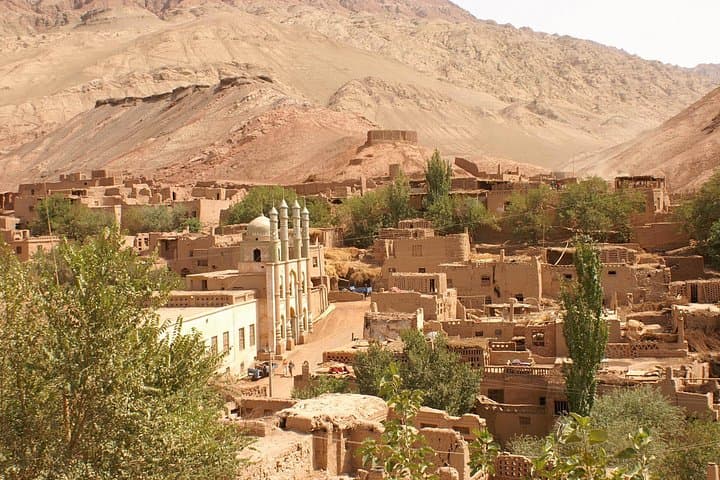
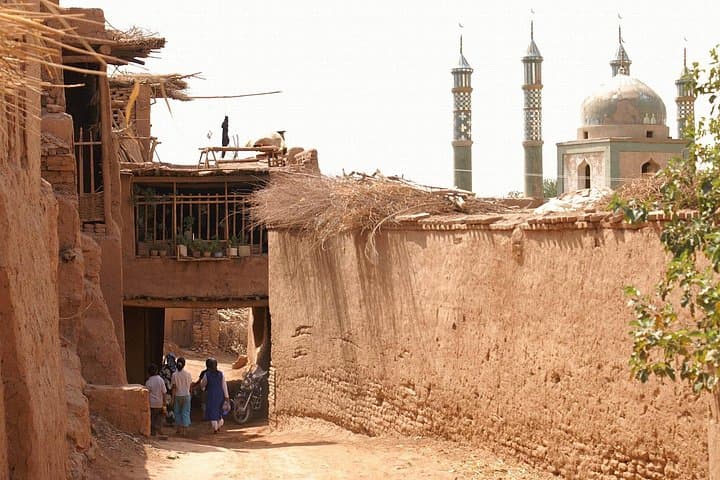
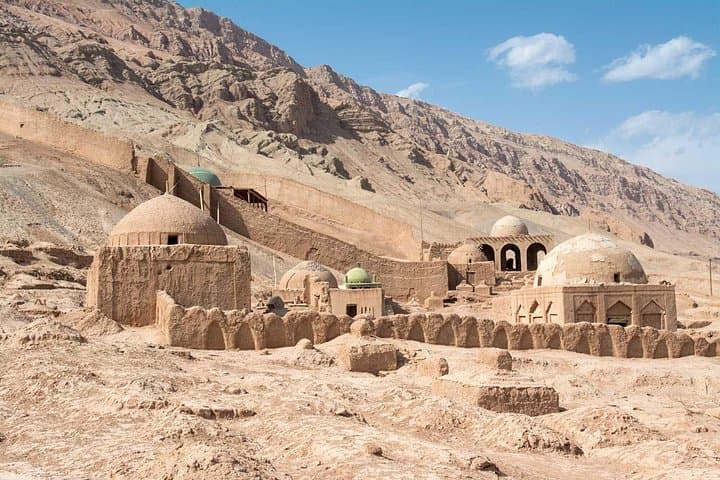
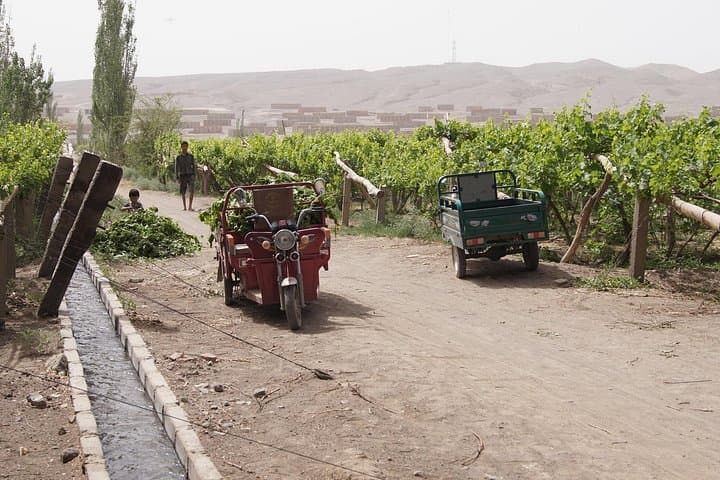
Turpan sits inside China’s low-lying depression along the Silk Road. Its geology—salt flats, eroded red sandstone and basalt—creates the Flaming Mountains’ ochre glare, while an ingenious karez irrigation network has harvested groundwater here for more than two millennia. Culturally, Turpan is predominantly Uyghur: minarets, frescoed grottoes and caravan city ruins like Gaochang and Jiaohe tell a layered story of Buddhism, Islam and mercantile exchange.
On this private full-day route you’ll visit Emin Minaret, the subterranean karez channels, Grape Valley’s vineyards and the Bezeklik cave murals. The tour mixes short walks, viewpoints and archaeological sites—expect uneven ground, sun exposure and chances to step into cool, shaded courtyards.
Practical guidance: go early or late in summer to avoid extreme temperatures; carry 2–3 liters of water, sun protection and sturdy shoes with grip. Respect local customs at religious and village sites—ask before photographing people. If you’re sensitive to heat, arrange a dawn start. The private format means you can swap Jiaohe for Gaochang or extend winery stops; confirm entry fees and bring small cash for local snacks and donations to conservation efforts.
This is a full-day private tour of about 10 hours covering Emin Minaret, karez wells, Grape Valley, Flaming Mountains, Bezeklik Caves and either Jiaohe or Gaochang; hotel pickup and drop-off within Turpan are included.
Yes—walking is moderate and can be adjusted; however, heat and uneven terrain can be challenging, so plan rest stops and early starts for those sensitive to heat.
Yes—the private format allows you to swap Jiaohe for Gaochang or extend village and vineyard time; tell the guide your preferences when booking.
All taxes and fees listed by the operator are included, but personal meals, some site entry fees and donations may be extra—carry small cash for vendors and optional entries.
Wadi Rum Fire Camp operates guided outdoor trips and adventures with an emphasis on safety, stewardship, and memorable experiences.
Morning light hits the red ribs of the Flaming Mountains and the day already tastes of heat—this is Turpan, where wind and stone argue with a desert sun. A private sedan eases out of town and the landscape changes: vine-covered arbors appear like green oases, mud-brick walls rise from plateaus, and ancient gullies throw sharp shadows. You can feel the region’s long routes of trade and faith under your boots.
Morning light hits the red ribs of the Flaming Mountains and the day already tastes of heat—this is Turpan, where wind and stone argue with a desert sun. A private sedan eases out of town and the landscape changes: vine-covered arbors appear like green oases, mud-brick walls rise from plateaus, and ancient gullies throw sharp shadows. You can feel the region’s long routes of trade and faith under your boots.
Turpan sits inside China’s low-lying depression along the Silk Road. Its geology—salt flats, eroded red sandstone and basalt—creates the Flaming Mountains’ ochre glare, while an ingenious karez irrigation network has harvested groundwater here for more than two millennia. Culturally, Turpan is predominantly Uyghur: minarets, frescoed grottoes and caravan city ruins like Gaochang and Jiaohe tell a layered story of Buddhism, Islam and mercantile exchange.
On this private full-day route you’ll visit Emin Minaret, the subterranean karez channels, Grape Valley’s vineyards and the Bezeklik cave murals. The tour mixes short walks, viewpoints and archaeological sites—expect uneven ground, sun exposure and chances to step into cool, shaded courtyards.
Practical guidance: go early or late in summer to avoid extreme temperatures; carry 2–3 liters of water, sun protection and sturdy shoes with grip. Respect local customs at religious and village sites—ask before photographing people. If you’re sensitive to heat, arrange a dawn start. The private format means you can swap Jiaohe for Gaochang or extend winery stops; confirm entry fees and bring small cash for local snacks and donations to conservation efforts.