THE ADVENTURE COLLECTIVE® · Independent discovery and booking for outdoor travel

A family-friendly day trip from Puntarenas to Isla Tortuga combining a scenic boat crossing, guided snorkeling in shallow reefs, and relaxed beach time. Ideal for cruise passengers or anyone wanting a low-pressure marine outing.
A family-friendly day trip from Puntarenas to Isla Tortuga combining a scenic boat crossing, guided snorkeling in shallow reefs, and relaxed beach time. Ideal for cruise passengers or anyone wanting a low-pressure marine outing.
You step off the pier in Puntarenas to the hum of an engine and the salt-snap of sea air; within minutes the mainland shrinks and the Gulf of Nicoya opens like a moving blue plain. The boat pushes forward and the water takes on Caribbean clarity, daring you to dive in. By the time Isla Tortuga appears—a rounded green shape against reef-strewn shallows—the promise of turtles, rays and shallow coral gardens is tangible.
Verified experiences and guided adventures in the surrounding area.
Operated by Kavelas Tours · Puntarenas, Puntarenas
You step off the pier in Puntarenas to the hum of an engine and the salt-snap of sea air; within minutes the mainland shrinks and the Gulf of Nicoya opens like a moving blue plain. The boat pushes forward and the water takes on Caribbean clarity, daring you to dive in. By the time Isla Tortuga appears—a rounded green shape against reef-strewn shallows—the promise of turtles, rays and shallow coral gardens is tangible.
Isla Tortuga sits in the northern Gulf of Nicoya, an island shaped by volcanic uplift and wave-worn limestone. The region’s history blends colonial-era fishing communities with contemporary eco-tourism; local boat operators have run crossings for decades, and the island’s small service cluster supports day visitors with beach restaurants and shady palms.
On this typical seven-hour excursion expect a round-trip crossing from Puntarenas, roughly 40–60 minutes each way depending on seas, with about three to five hours on and around the island for snorkeling, beach time and a relaxed lunch. Water depths at snorkeling sites are generally shallow (2–8 m), visibility varies with season but often exceeds 8–15 m on calm days. Currents can be present near reef edges, so guides brief swimmers before entry.
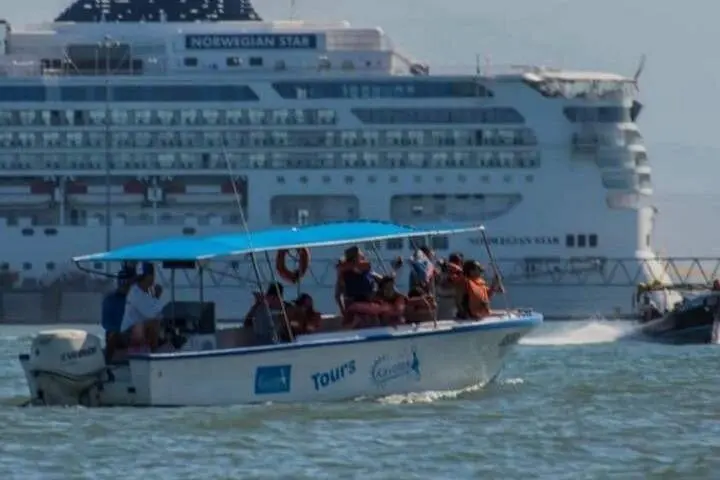
Practical guide: bring reef-safe sunscreen, a rash guard or thin wetsuit for sun and chill, and a dry bag for valuables. Hydrate before boarding, listen to the safety briefing and plan for sun exposure—shade on the island is limited. For travelers arriving by cruise to Puntarenas, the itinerary is a convenient, family-friendly way to experience Costa Rica’s marine life without an aggressive schedule.
Crossing times vary with vessel and sea state but typically range from 40–60 minutes each way.
Yes—standard tours generally supply masks, fins and snorkels; bring your own if you prefer a personal fit.
Families are welcome; infants may need to sit on laps and children should wear life jackets and be supervised in the water.
Common sightings include sea turtles, rays, schooling reef fish and occasional dolphins; sightings are never guaranteed and vary by season.
Kavelas Tours operates guided outdoor trips and adventures with an emphasis on safety, stewardship, and memorable experiences.
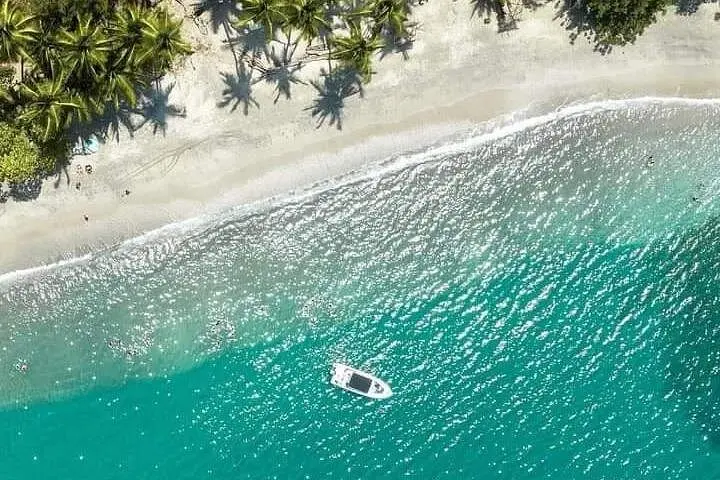
You step off the pier in Puntarenas to the hum of an engine and the salt-snap of sea air; within minutes the mainland shrinks and the Gulf of Nicoya opens like a moving blue plain. The boat pushes forward and the water takes on Caribbean clarity, daring you to dive in. By the time Isla Tortuga appears—a rounded green shape against reef-strewn shallows—the promise of turtles, rays and shallow coral gardens is tangible.
You step off the pier in Puntarenas to the hum of an engine and the salt-snap of sea air; within minutes the mainland shrinks and the Gulf of Nicoya opens like a moving blue plain. The boat pushes forward and the water takes on Caribbean clarity, daring you to dive in. By the time Isla Tortuga appears—a rounded green shape against reef-strewn shallows—the promise of turtles, rays and shallow coral gardens is tangible.
Isla Tortuga sits in the northern Gulf of Nicoya, an island shaped by volcanic uplift and wave-worn limestone. The region’s history blends colonial-era fishing communities with contemporary eco-tourism; local boat operators have run crossings for decades, and the island’s small service cluster supports day visitors with beach restaurants and shady palms.
On this typical seven-hour excursion expect a round-trip crossing from Puntarenas, roughly 40–60 minutes each way depending on seas, with about three to five hours on and around the island for snorkeling, beach time and a relaxed lunch. Water depths at snorkeling sites are generally shallow (2–8 m), visibility varies with season but often exceeds 8–15 m on calm days. Currents can be present near reef edges, so guides brief swimmers before entry.
Practical guide: bring reef-safe sunscreen, a rash guard or thin wetsuit for sun and chill, and a dry bag for valuables. Hydrate before boarding, listen to the safety briefing and plan for sun exposure—shade on the island is limited. For travelers arriving by cruise to Puntarenas, the itinerary is a convenient, family-friendly way to experience Costa Rica’s marine life without an aggressive schedule.