
Turtle Release and Crocodile Watching in Zihuatanejo — 2-Day Wildlife Experience
Join a two-day wildlife program near Zihuatanejo that pairs crocodile and iguana observation with a guided baby-turtle release on a Pacific beach. Practical, conservation-minded, and suitable for most fitness levels.
An Adventure In Zihuatanejo.
Join a two-day wildlife program near Zihuatanejo that pairs crocodile and iguana observation with a guided baby-turtle release on a Pacific beach. Practical, conservation-minded, and suitable for most fitness levels.
Read the full experience
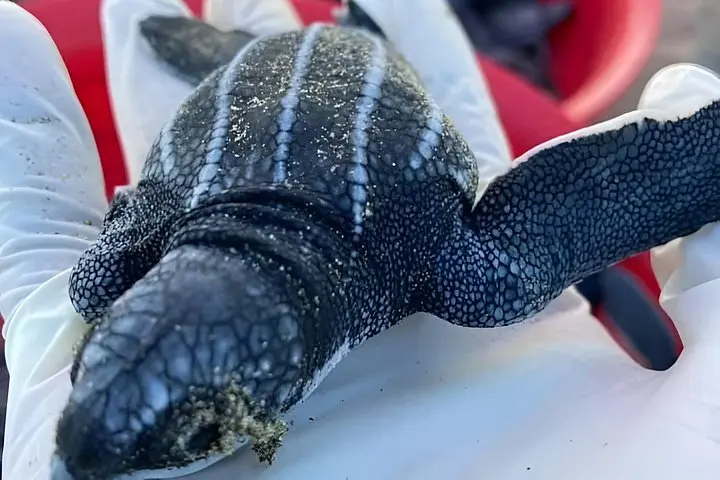
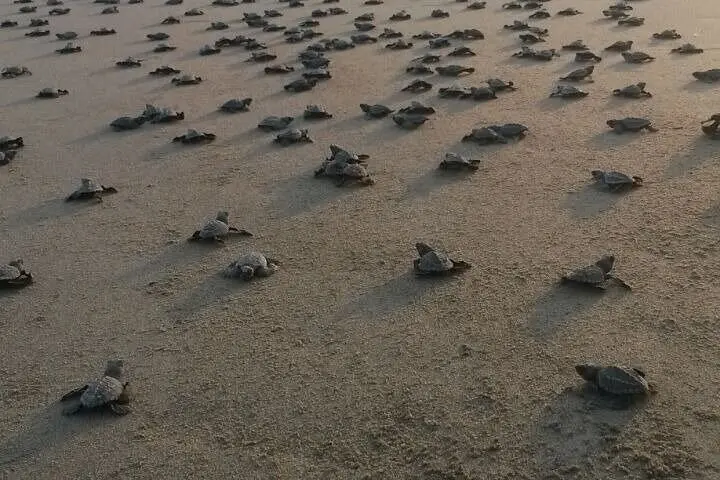
You step from warm sand into the thin, salt-sweet night air as a clutch of hatchlings scurries toward the surf, the sea tugging at their shells like a patient current calling them home.
You step from warm sand into the thin, salt-sweet night air as a clutch of hatchlings scurries toward the surf, the sea tugging at their shells like a patient current calling them home.
This two-day experience around Zihuatanejo pairs a morning at a crocodile and iguana viewing area with an evening turtle-release program on a nearby Pacific beach. The region’s coastline is volcanic in origin—steep headlands framing broad, sand-dominated bays—and that geology creates estuaries where crocodiles patrol shallow channels while olive ridley and other marine turtles use quieter beaches to nest.
Local fishing communities have long read the seasons by the movement of fish and turtles; conservation groups in Guerrero now work alongside hotels and guides to protect nests and time releases when hatchlings have the best chance of survival. Expect straightforward interpretation about species, nesting cycles, and the human pressures these animals face.
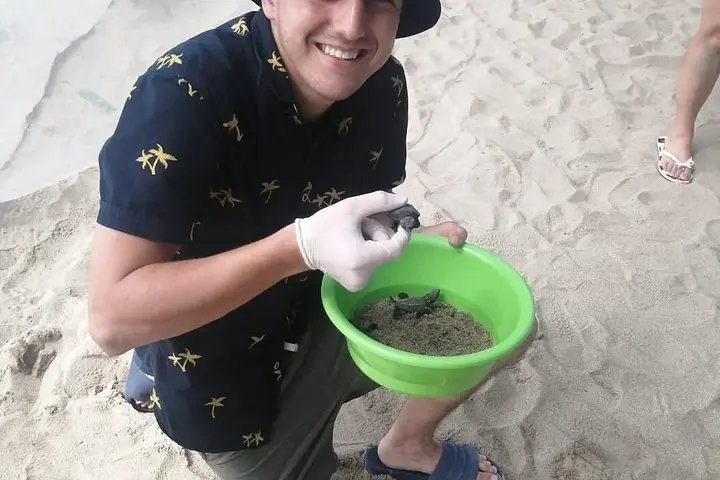
Practical guidance: the crocodile stop involves short, guided viewing at a fenced pit or estuarine edge—bring good sun protection and sturdy shoes. Turtle releases usually happen after dark or at dawn; headlamps with red filters are recommended but follow guide instructions to avoid disorientation. Weather shifts quickly in the rainy season—light rain gear helps—and the activity is rated easy with minimal walking but high attentiveness around wildlife.
Leave no trace: keep noise low, follow handlers’ directions, and avoid flash photography. The reward is direct: watching tiny turtles beat toward the ocean and seeing reptiles move with the deliberate patience of creatures shaped by water and rock.
Frequently asked questions
Releases depend on nest status and hatchling timing; guides schedule activities when hatchlings are present but weather or nesting success can affect timing.
Yes—this activity is generally family-friendly, but children should be supervised and follow safety instructions around wildlife.
Photography rules vary; flash and bright lights are usually prohibited during releases—use red-filtered lights and follow guide directions.
Sites are typically a short transfer from town (20–45 minutes depending on the exact meeting point); transfers are included or arranged by the operator.
About This Experience
Ixtapa Pacific Tours operates guided outdoor trips and adventures with an emphasis on safety, stewardship, and memorable experiences.
Adventure tips
Recommended gear
- Headlamp with red filter: Allows you to see at night without disrupting hatchlings' orientation.
- Reusable water bottle: Staying hydrated is important during daytime viewing and transfers.
- Closed-toe walking shoes: Protects feet on rough or muddy trails at observation sites.
- Light rain jacket: Useful during the coastal rainy season when brief downpours are common.
Photos of the experience
Related adventures & guides
Read the full experience
You step from warm sand into the thin, salt-sweet night air as a clutch of hatchlings scurries toward the surf, the sea tugging at their shells like a patient current calling them home.
You step from warm sand into the thin, salt-sweet night air as a clutch of hatchlings scurries toward the surf, the sea tugging at their shells like a patient current calling them home.
This two-day experience around Zihuatanejo pairs a morning at a crocodile and iguana viewing area with an evening turtle-release program on a nearby Pacific beach. The region’s coastline is volcanic in origin—steep headlands framing broad, sand-dominated bays—and that geology creates estuaries where crocodiles patrol shallow channels while olive ridley and other marine turtles use quieter beaches to nest.
Local fishing communities have long read the seasons by the movement of fish and turtles; conservation groups in Guerrero now work alongside hotels and guides to protect nests and time releases when hatchlings have the best chance of survival. Expect straightforward interpretation about species, nesting cycles, and the human pressures these animals face.
Practical guidance: the crocodile stop involves short, guided viewing at a fenced pit or estuarine edge—bring good sun protection and sturdy shoes. Turtle releases usually happen after dark or at dawn; headlamps with red filters are recommended but follow guide instructions to avoid disorientation. Weather shifts quickly in the rainy season—light rain gear helps—and the activity is rated easy with minimal walking but high attentiveness around wildlife.
Leave no trace: keep noise low, follow handlers’ directions, and avoid flash photography. The reward is direct: watching tiny turtles beat toward the ocean and seeing reptiles move with the deliberate patience of creatures shaped by water and rock.
Make a day of it nearby.
Verified experiences and guided adventures in the surrounding area.