THE ADVENTURE COLLECTIVE® · Independent discovery and booking for outdoor travel

Experience the Otago Peninsula at sunset on a 90‑minute guided tour that pairs a conservation briefing and rehabilitation visit with a short coastal walk. It’s one of the few places to see endangered yellow‑eyed penguins returning from sea.
Experience the Otago Peninsula at sunset on a 90‑minute guided tour that pairs a conservation briefing and rehabilitation visit with a short coastal walk. It’s one of the few places to see endangered yellow‑eyed penguins returning from sea.
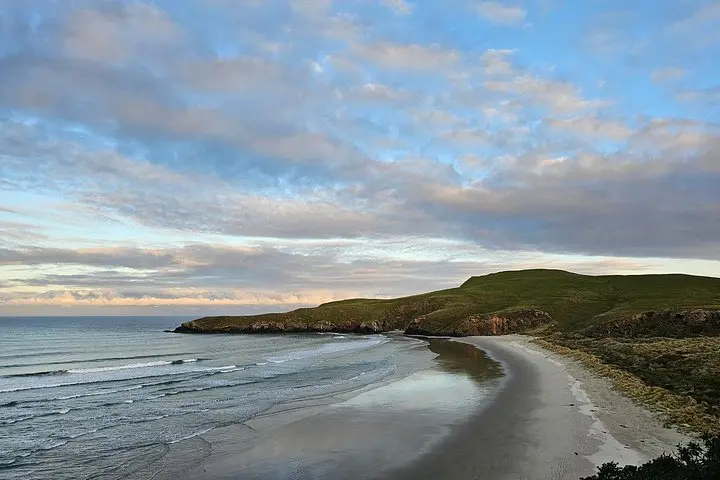
The sky over the Otago Peninsula slants into bronze as a small bus eases onto the reserve track; gulls wheel and the smell of salt sharpens the air. On the Twilight at The OPERA tour you move from a dimmed theatre into a hushed rehabilitation centre, then step out for a guided 2 km coastal walk timed to meet penguins and seals as they return from the sea.
Verified experiences and guided adventures in the surrounding area.
Operated by The Otago Peninsula Eco Restoration Alliance · Dunedin, Otago
The sky over the Otago Peninsula slants into bronze as a small bus eases onto the reserve track; gulls wheel and the smell of salt sharpens the air. On the Twilight at The OPERA tour you move from a dimmed theatre into a hushed rehabilitation centre, then step out for a guided 2 km coastal walk timed to meet penguins and seals as they return from the sea.
Geology here is raw: volcanic plugs and folded sedimentary cliffs shaped by the Pacific give way to sheltered bays where kelp beds feed nutrient-rich currents. The area’s human story mixes Māori coastal use and 19th-century European farming with modern conservation—local trusts and reserve operators now run targeted restoration and penguin rehabilitation programs.
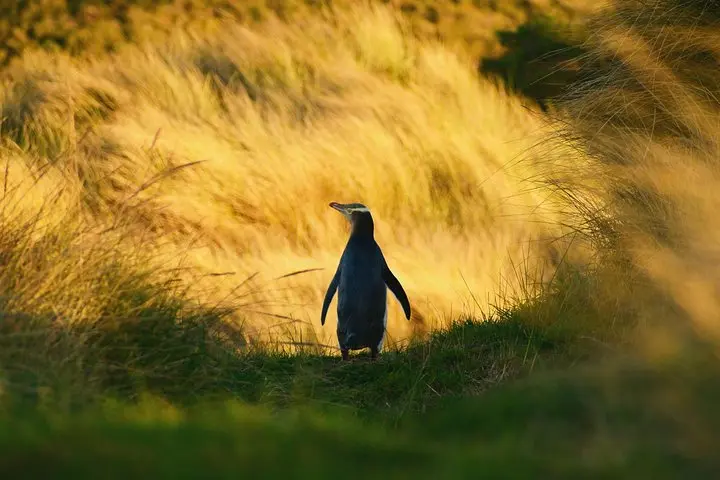
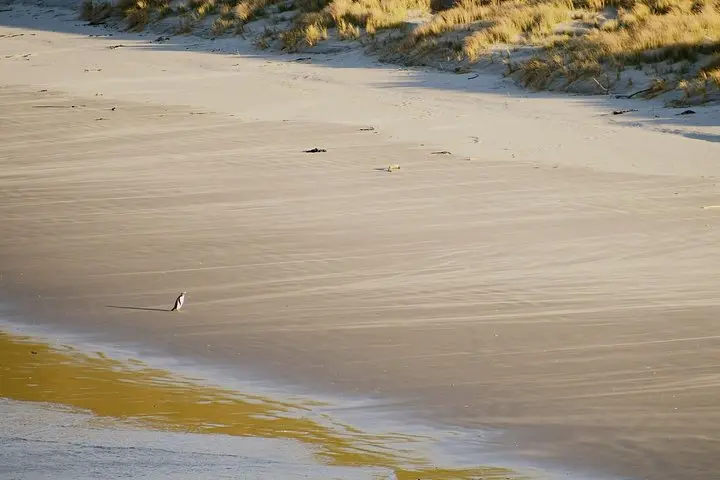
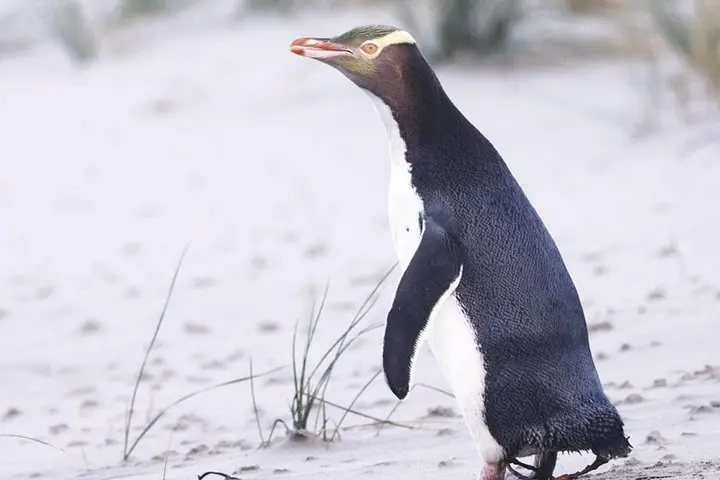
Expect a careful, quiet pace. Guides brief the group in a small theatre, then show birds in care (when present) before leading the short walk through scrub and dune-edge habitat. The main draw is the endemic hoiho (yellow‑eyed penguin), one of the world’s rarest penguins, plus potential sightings of little penguins, fur seals and shorebirds.
Practicalities: the walk is about 2 km on uneven, sometimes muddy trails and is best in calm weather—sunset lighting is variable with the seasons. Bring layered, waterproof clothing, sturdy footwear, and a headlamp for the return. Tours run about 90 minutes and are limited in group size to reduce disturbance—book ahead, especially in summer and during school holidays. Photography rules and quiet corridors protect nesting birds; follow guide instructions and keep voices low to maximize sightings and minimize impact.
Guides maintain a safe distance to avoid disturbing nesting birds; viewing is from designated paths and hide areas.
Yes—children are welcome but infants must sit on an adult’s lap and the walk is best for those who can manage uneven ground quietly.
Tours operate in most conditions; waterproof clothing is recommended. Operators may cancel in extreme weather but generally do not refund within 24 hours.
Yes, but flash and bright lights are prohibited; follow guide instructions to avoid disturbing wildlife.
The Otago Peninsula Eco Restoration Alliance operates guided outdoor trips and adventures with an emphasis on safety, stewardship, and memorable experiences.
The sky over the Otago Peninsula slants into bronze as a small bus eases onto the reserve track; gulls wheel and the smell of salt sharpens the air. On the Twilight at The OPERA tour you move from a dimmed theatre into a hushed rehabilitation centre, then step out for a guided 2 km coastal walk timed to meet penguins and seals as they return from the sea.
The sky over the Otago Peninsula slants into bronze as a small bus eases onto the reserve track; gulls wheel and the smell of salt sharpens the air. On the Twilight at The OPERA tour you move from a dimmed theatre into a hushed rehabilitation centre, then step out for a guided 2 km coastal walk timed to meet penguins and seals as they return from the sea.
Geology here is raw: volcanic plugs and folded sedimentary cliffs shaped by the Pacific give way to sheltered bays where kelp beds feed nutrient-rich currents. The area’s human story mixes Māori coastal use and 19th-century European farming with modern conservation—local trusts and reserve operators now run targeted restoration and penguin rehabilitation programs.
Expect a careful, quiet pace. Guides brief the group in a small theatre, then show birds in care (when present) before leading the short walk through scrub and dune-edge habitat. The main draw is the endemic hoiho (yellow‑eyed penguin), one of the world’s rarest penguins, plus potential sightings of little penguins, fur seals and shorebirds.
Practicalities: the walk is about 2 km on uneven, sometimes muddy trails and is best in calm weather—sunset lighting is variable with the seasons. Bring layered, waterproof clothing, sturdy footwear, and a headlamp for the return. Tours run about 90 minutes and are limited in group size to reduce disturbance—book ahead, especially in summer and during school holidays. Photography rules and quiet corridors protect nesting birds; follow guide instructions and keep voices low to maximize sightings and minimize impact.