THE ADVENTURE COLLECTIVE® · Independent discovery and booking for outdoor travel

Join a guided 90‑minute dusk walk from the Boathouse to watch Golden Gate Park shift from day to wildlife‑active night. Expect close birdwatching, native history, and practical tips for low‑light observation.
Join a guided 90‑minute dusk walk from the Boathouse to watch Golden Gate Park shift from day to wildlife‑active night. Expect close birdwatching, native history, and practical tips for low‑light observation.
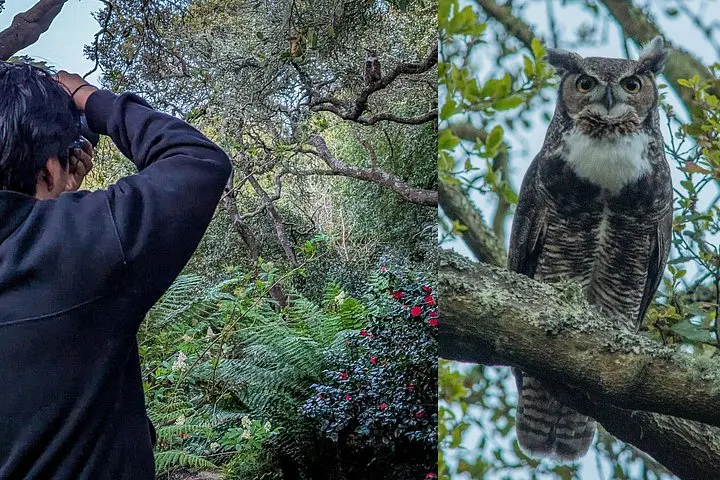
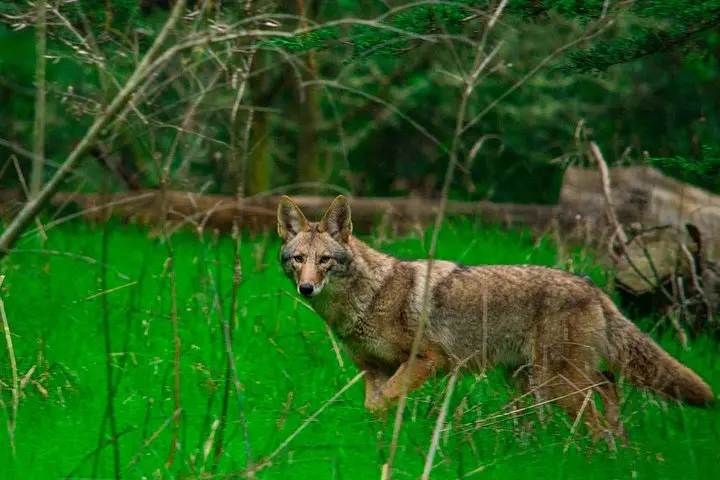
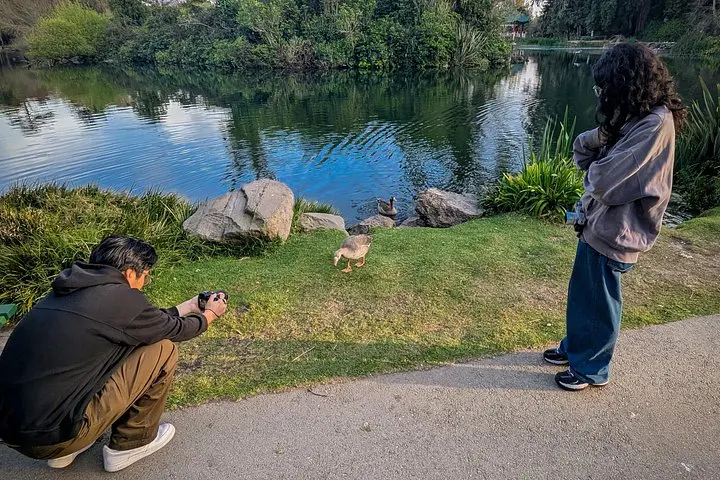
Fog thins into the park as day leans toward night and the Boathouse dock becomes a quiet threshold. On this 90‑minute twilight walk, your guide leads a small group along Stow Lake edges and wooded paths where herons pause and raccoons begin their rounds—San Francisco's largest green space shifting roles from recreation to refuge.
Verified experiences and guided adventures in the surrounding area.
Operated by Beasts of the Bay Area · San Francisco, California
Fog thins into the park as day leans toward night and the Boathouse dock becomes a quiet threshold. On this 90‑minute twilight walk, your guide leads a small group along Stow Lake edges and wooded paths where herons pause and raccoons begin their rounds—San Francisco's largest green space shifting roles from recreation to refuge.
Golden Gate Park was laid out across wind‑blown sand in the late 19th century and shaped by superintendent John McLaren into a deliberately planted landscape. Geologically it sits on coastal dunes and fill, which creates the park's rolling, planted terraces and ponds that attract waterfowl and migratory birds. Culturally, the park reflects the city's public‑park movement and civic ambitions—bandshells, conservatories, and the boathouse hint at civic design as much as nature.
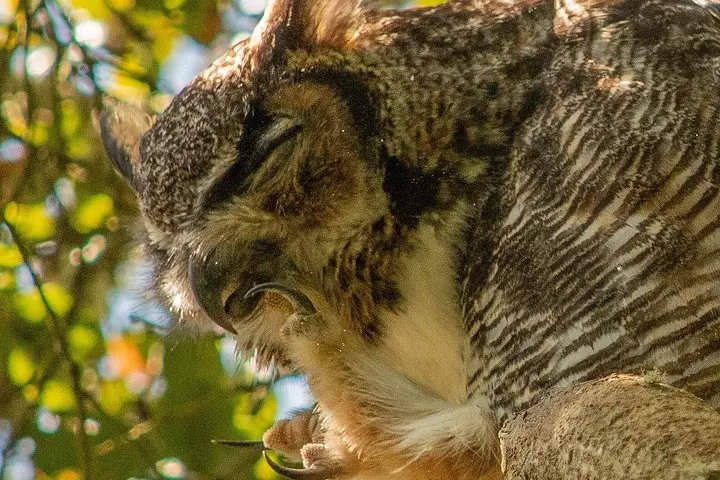
Expect close looks at urban wildlife behavior rather than guaranteed sightings: great blue herons fishing Stow Lake, red‑tailed hawks riding evening thermals, and smaller songbirds flitting through eucalyptus and cypress. Guides emphasize respectful observation—quiet voices, no flashlight glare—and share natural history and identification tips.
Practically, meet at the Boathouse dock about 10–15 minutes early. Wear layered clothing—seaside evenings get chilly—and sturdy shoes for gravel paths. Binoculars and a small headlamp with a red filter improve experience without disturbing wildlife. The pace is gentle and family friendly, but the terrain includes uneven shoreline and short inclines. With a small group size and a guide versed in local ecology, this walk is a compact, low‑impact way to see how a city park becomes a twilight landscape.
Meet in front of the Boathouse dock at Stow Lake; guides wear a photographer’s vest and carry binoculars and a camera.
Yes—it's rated easy and accessible; families and older adults who can walk short uneven stretches will find it manageable.
No guarantees—wildlife is unpredictable, but guides know productive spots and behaviors that increase chances of sightings.
The tour listing notes wheelchair accessibility; contact the operator in advance for specific route accommodations.
Beasts of the Bay Area operates guided outdoor trips and adventures with an emphasis on safety, stewardship, and memorable experiences.
Fog thins into the park as day leans toward night and the Boathouse dock becomes a quiet threshold. On this 90‑minute twilight walk, your guide leads a small group along Stow Lake edges and wooded paths where herons pause and raccoons begin their rounds—San Francisco's largest green space shifting roles from recreation to refuge.
Fog thins into the park as day leans toward night and the Boathouse dock becomes a quiet threshold. On this 90‑minute twilight walk, your guide leads a small group along Stow Lake edges and wooded paths where herons pause and raccoons begin their rounds—San Francisco's largest green space shifting roles from recreation to refuge.
Golden Gate Park was laid out across wind‑blown sand in the late 19th century and shaped by superintendent John McLaren into a deliberately planted landscape. Geologically it sits on coastal dunes and fill, which creates the park's rolling, planted terraces and ponds that attract waterfowl and migratory birds. Culturally, the park reflects the city's public‑park movement and civic ambitions—bandshells, conservatories, and the boathouse hint at civic design as much as nature.
Expect close looks at urban wildlife behavior rather than guaranteed sightings: great blue herons fishing Stow Lake, red‑tailed hawks riding evening thermals, and smaller songbirds flitting through eucalyptus and cypress. Guides emphasize respectful observation—quiet voices, no flashlight glare—and share natural history and identification tips.
Practically, meet at the Boathouse dock about 10–15 minutes early. Wear layered clothing—seaside evenings get chilly—and sturdy shoes for gravel paths. Binoculars and a small headlamp with a red filter improve experience without disturbing wildlife. The pace is gentle and family friendly, but the terrain includes uneven shoreline and short inclines. With a small group size and a guide versed in local ecology, this walk is a compact, low‑impact way to see how a city park becomes a twilight landscape.