THE ADVENTURE COLLECTIVE® · Independent discovery and booking for outdoor travel

See two of New Zealand’s greatest glaciers from the air and step onto a snowfield on a 35-minute helicopter trip from Fox Glacier. Expect up-close icefalls, a controlled snow landing and weather-dependent scheduling.
See two of New Zealand’s greatest glaciers from the air and step onto a snowfield on a 35-minute helicopter trip from Fox Glacier. Expect up-close icefalls, a controlled snow landing and weather-dependent scheduling.
You lift from the strip at Fox Glacier and the coast slips away; the West Coast rainforest drops its canopy and the sky opens to ice. From the helicopter’s low hover the glaciers read like living maps — blue crevasses, serrated icefalls and broad neve fields that shine against the dark valley walls. A short landing on one of the snowfields lets you step onto the glacier itself: the snow compresses underfoot, the air bites, and the silence is an immediate, clean contrast to the rotor’s roar.
Verified experiences and guided adventures in the surrounding area.
Operated by Glacier Helicopters · Fox Glacier, West Coast
You lift from the strip at Fox Glacier and the coast slips away; the West Coast rainforest drops its canopy and the sky opens to ice. From the helicopter’s low hover the glaciers read like living maps — blue crevasses, serrated icefalls and broad neve fields that shine against the dark valley walls. A short landing on one of the snowfields lets you step onto the glacier itself: the snow compresses underfoot, the air bites, and the silence is an immediate, clean contrast to the rotor’s roar.
These two glaciers — Fox and Franz Josef — are among the few temperate maritime glaciers in the world, carved by regional uplift and heavy Pacific rainfall. European explorers named the valleys in the 19th century; the landscape remains part of the larger Te Wahipounamu UNESCO World Heritage region and tells a geologic story of tectonics, rapid erosion and recent retreat. Local operators combine safety procedures with environmental care so landings are controlled and short to limit impact.
Practical guidance: check in 30 minutes before departure and expect strict weight and baggage rules. Flights run year‑round but are weather-dependent; morning windows often deliver clearer visibility. Dress in warm layers and sturdy shoes — the snowfield is cold even on sunny days — and bring polarized sunglasses and a camera (no drones or selfie-sticks permitted). Allow 1–2 hours for the experience including check-in, weigh-in and transfer time; the airborne portion is about 35 minutes. If you want crisp reflections or softer light for photos, schedule the flight near sunrise or late afternoon, but be prepared for shifting weather and brief delays.
Flights are weather dependent; operators will cancel or reschedule for poor visibility or unsafe conditions and typically offer a full refund if cancelled at least 24 hours prior.
There are weight considerations for balance and safety — you’ll be weighed at check-in — and children must be accompanied by an adult; infants must sit on an adult’s lap and special infant seats are available.
No — for safety reasons bags, drones, selfie sticks, tablets and flammable items are not permitted on flights.
Layer up: a windproof outer layer, midweight insulating layer, gloves and sturdy shoes are recommended; bring sunglasses and avoid loose hats during boarding.
Glacier Helicopters operates guided outdoor trips and adventures with an emphasis on safety, stewardship, and memorable experiences.
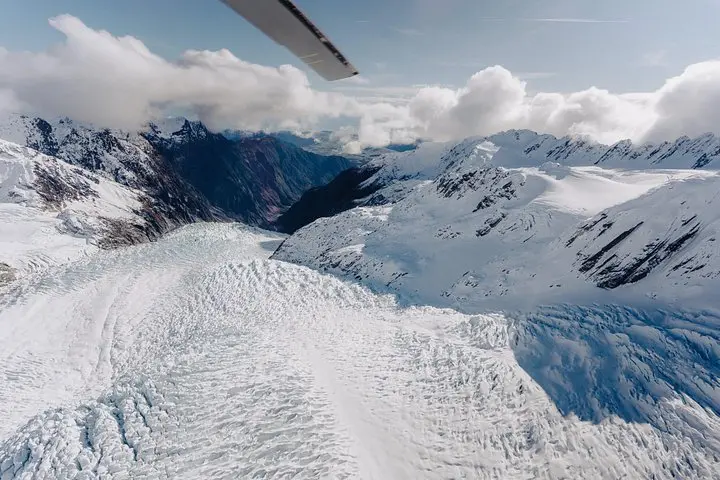
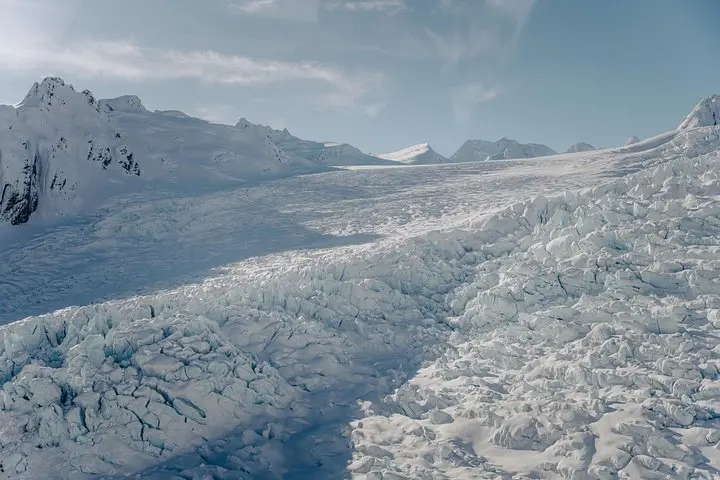
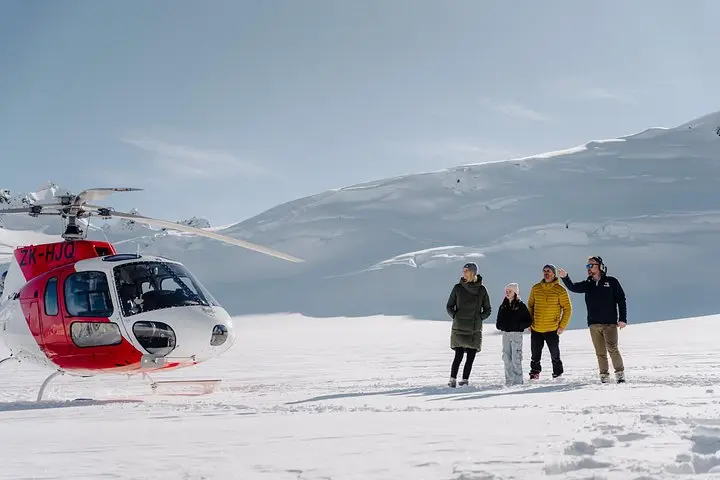
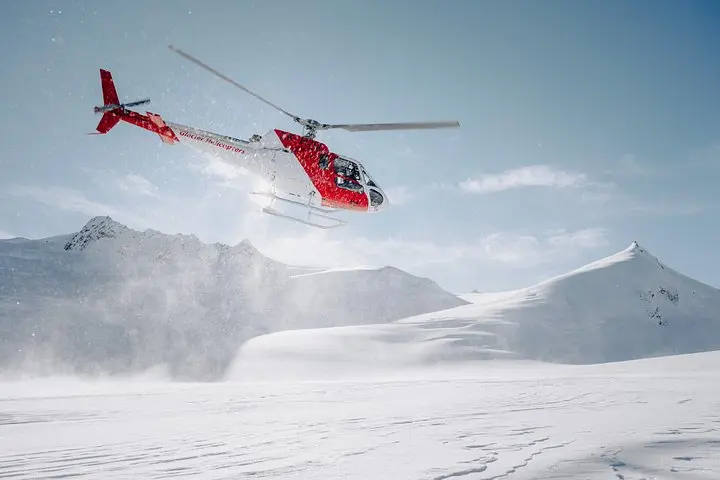
You lift from the strip at Fox Glacier and the coast slips away; the West Coast rainforest drops its canopy and the sky opens to ice. From the helicopter’s low hover the glaciers read like living maps — blue crevasses, serrated icefalls and broad neve fields that shine against the dark valley walls. A short landing on one of the snowfields lets you step onto the glacier itself: the snow compresses underfoot, the air bites, and the silence is an immediate, clean contrast to the rotor’s roar.
You lift from the strip at Fox Glacier and the coast slips away; the West Coast rainforest drops its canopy and the sky opens to ice. From the helicopter’s low hover the glaciers read like living maps — blue crevasses, serrated icefalls and broad neve fields that shine against the dark valley walls. A short landing on one of the snowfields lets you step onto the glacier itself: the snow compresses underfoot, the air bites, and the silence is an immediate, clean contrast to the rotor’s roar.
These two glaciers — Fox and Franz Josef — are among the few temperate maritime glaciers in the world, carved by regional uplift and heavy Pacific rainfall. European explorers named the valleys in the 19th century; the landscape remains part of the larger Te Wahipounamu UNESCO World Heritage region and tells a geologic story of tectonics, rapid erosion and recent retreat. Local operators combine safety procedures with environmental care so landings are controlled and short to limit impact.
Practical guidance: check in 30 minutes before departure and expect strict weight and baggage rules. Flights run year‑round but are weather-dependent; morning windows often deliver clearer visibility. Dress in warm layers and sturdy shoes — the snowfield is cold even on sunny days — and bring polarized sunglasses and a camera (no drones or selfie-sticks permitted). Allow 1–2 hours for the experience including check-in, weigh-in and transfer time; the airborne portion is about 35 minutes. If you want crisp reflections or softer light for photos, schedule the flight near sunrise or late afternoon, but be prepared for shifting weather and brief delays.