THE ADVENTURE COLLECTIVE® · Independent discovery and booking for outdoor travel

Spend a day north of Kigali exploring Rwanda’s Twin Lakes—Ruhondo and Burera—by foot and canoe. Hike shoreline trails, glide across calm water with volcano views, and visit villages to learn local lake-side life.
Spend a day north of Kigali exploring Rwanda’s Twin Lakes—Ruhondo and Burera—by foot and canoe. Hike shoreline trails, glide across calm water with volcano views, and visit villages to learn local lake-side life.
A cool morning light slices across two glassy bowls of water as the minivan climbs Rwanda’s northbound ridgeline. You step out with the Virunga volcanoes looming to the north; the lakes—Ruhondo and Burera—press close to the hills, their shorelines alternating between marshy reedbeds and stepped farmland. The air smells of wet earth and cooking fires from nearby villages, and the water seems to dare you to cross it.
Verified experiences and guided adventures in the surrounding area.
Operated by YAMBI Tours & Adventures · Burera, Northern Province
A cool morning light slices across two glassy bowls of water as the minivan climbs Rwanda’s northbound ridgeline. You step out with the Virunga volcanoes looming to the north; the lakes—Ruhondo and Burera—press close to the hills, their shorelines alternating between marshy reedbeds and stepped farmland. The air smells of wet earth and cooking fires from nearby villages, and the water seems to dare you to cross it.
These lakes occupy volcanic valleys carved by lava and tectonic uplift; their steep shores reflect the region’s recent geological activity and the sculpting hand of the Virunga chain. Human history here is rural and immediate—smallholder farms, terraced slopes and lakeside communities that have lived with fishing and wetland agriculture for generations.
On this full-day trip expect a paced mix: a shoreline hike with panoramic viewpoints, a guided canoe or motorized boat across one lake, time for birdwatching, and a picnic near the water. Guides introduce local life with short village visits and explain how the lakes support livelihoods and biodiversity.
Practical guidance: wear sturdy trail shoes for uneven, sometimes slippery shore paths; bring layered rain protection (weather here changes fast) and a daypack with water and sunscreen. Photography windows open in the hour after sunrise and the late afternoon when volcano silhouettes sharpen. The route is suitable for most fitness levels and can be adapted for families.
Leave no trace: stick to paths, avoid feeding wildlife, and support local vendors when you can—your visit is both a view and a small economic boost to lakeside communities.
Expect roughly 2–3 hours each way depending on traffic and road conditions; it’s a full-day excursion (6–8 hours total on-site and in transit).
Yes—canoe or boat segments are gentle and guided; operators typically provide life jackets and brief safety instructions.
A picnic lunch and bottled water are normally provided as part of the tour; confirm dietary needs at booking time.
Yes—the tour is private and often flexible; contact the operator in advance to arrange shorter walks or more time on the boat.
YAMBI Tours & Adventures operates guided outdoor trips and adventures with an emphasis on safety, stewardship, and memorable experiences.
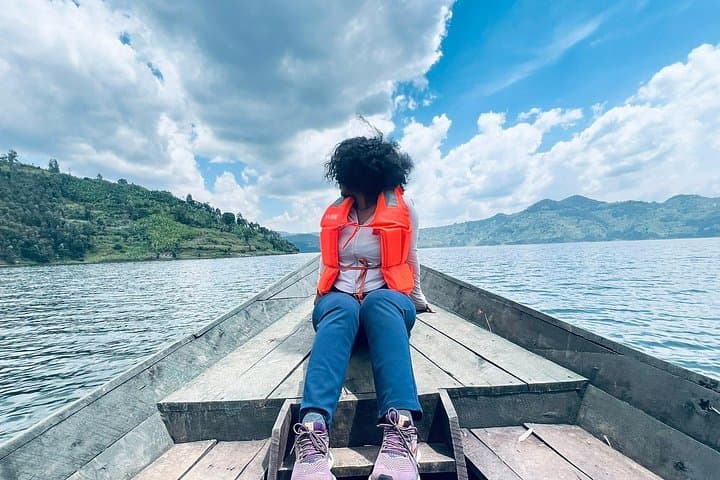


A cool morning light slices across two glassy bowls of water as the minivan climbs Rwanda’s northbound ridgeline. You step out with the Virunga volcanoes looming to the north; the lakes—Ruhondo and Burera—press close to the hills, their shorelines alternating between marshy reedbeds and stepped farmland. The air smells of wet earth and cooking fires from nearby villages, and the water seems to dare you to cross it.
A cool morning light slices across two glassy bowls of water as the minivan climbs Rwanda’s northbound ridgeline. You step out with the Virunga volcanoes looming to the north; the lakes—Ruhondo and Burera—press close to the hills, their shorelines alternating between marshy reedbeds and stepped farmland. The air smells of wet earth and cooking fires from nearby villages, and the water seems to dare you to cross it.
These lakes occupy volcanic valleys carved by lava and tectonic uplift; their steep shores reflect the region’s recent geological activity and the sculpting hand of the Virunga chain. Human history here is rural and immediate—smallholder farms, terraced slopes and lakeside communities that have lived with fishing and wetland agriculture for generations.
On this full-day trip expect a paced mix: a shoreline hike with panoramic viewpoints, a guided canoe or motorized boat across one lake, time for birdwatching, and a picnic near the water. Guides introduce local life with short village visits and explain how the lakes support livelihoods and biodiversity.
Practical guidance: wear sturdy trail shoes for uneven, sometimes slippery shore paths; bring layered rain protection (weather here changes fast) and a daypack with water and sunscreen. Photography windows open in the hour after sunrise and the late afternoon when volcano silhouettes sharpen. The route is suitable for most fitness levels and can be adapted for families.
Leave no trace: stick to paths, avoid feeding wildlife, and support local vendors when you can—your visit is both a view and a small economic boost to lakeside communities.