THE ADVENTURE COLLECTIVE® · Independent discovery and booking for outdoor travel

Head out from Galle for two boat dives at different sites—often a wreck and a pinnacle—designed for certified divers. Expect guided single-tank dives with equipment provided and the chance to see turtles, reef sharks, and dense reef fish.
Head out from Galle for two boat dives at different sites—often a wreck and a pinnacle—designed for certified divers. Expect guided single-tank dives with equipment provided and the chance to see turtles, reef sharks, and dense reef fish.
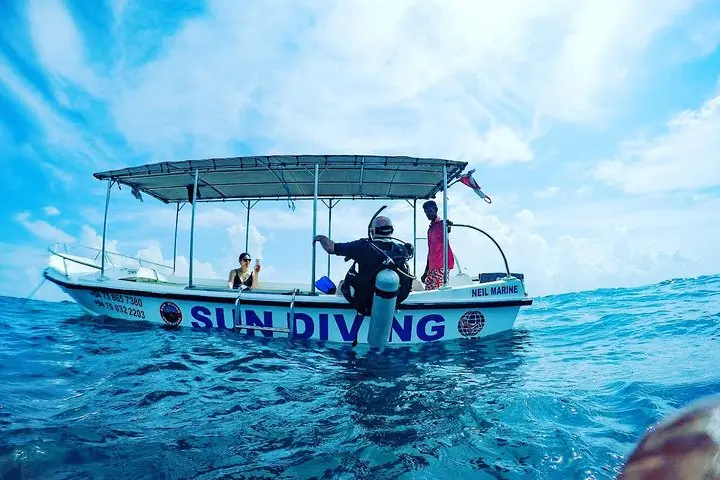
The boat slips away from Galle's weathered harbor and the sea opens its own register: a blue that narrows and deepens as the coastline drops away. You stand on deck with regulator and mask, the briefing still warm in your ears, watching the captain pick a pair of sites—often a wreck and a rocky pinnacle—each with a different character and current.
Verified experiences and guided adventures in the surrounding area.
Operated by Sun Diving SriLanka · Galle, Southern Province
The boat slips away from Galle's weathered harbor and the sea opens its own register: a blue that narrows and deepens as the coastline drops away. You stand on deck with regulator and mask, the briefing still warm in your ears, watching the captain pick a pair of sites—often a wreck and a rocky pinnacle—each with a different character and current.
This stretch of southern Sri Lanka carries maritime layers: colonial trade routes, wartime wrecks, and volcanic-era rock structures that now host coral gardens. The reefs here grow on ancient ridges; pinnacles rise from sandy plains and collect life like a lamp draws moths. Local fishers and dive operators in Galle have worked these waters for decades, and the region’s diving culture is practical—safety-minded, weather-aware, and focused on maximizing bottom time when conditions allow.
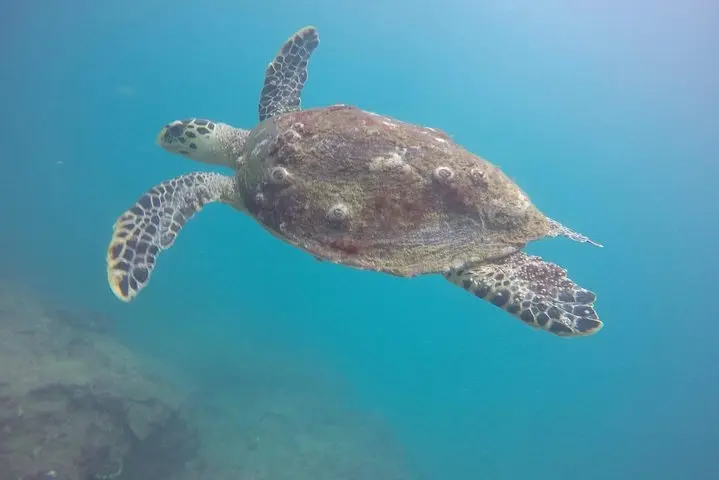
On a two-dive boat trip for certified divers, expect two single-tank dives with a dive master, full equipment included, and short surface intervals between sites. Typical recreational depths reach toward 30 meters at deeper wrecks and pinnacles; many sites are shallower, with dense reef fish and schooling sergeants. Look for hawksbill and green turtles, lionfish, and reef sharks in clearer months.
Practical edge: bring your certification card, a dive computer, sunscreen for the surface, and seasickness medication if needed. Favor morning departures for calmer seas and cleaner visibility; check with the operator about currents and site choice the night before. The operator supplies bottled water and tea, but plan to hydrate well before the trip and secure valuables onshore. With solid buoyancy and respect for currents, these two-boat dives deliver contrasting underwater terrain in one morning—wreck mystery followed by the vertical drama of pinnacles.
Yes — operators require proof of open water scuba certification; advanced or recent experience may be requested for deeper or current-prone sites.
Typical inclusions are use of scuba equipment, a dive master, dive briefing, boat transport, bottled water and tea; verify specifics with the operator before booking.
Sites vary from shallow reef slopes to pinnacles and wrecks that can approach recreational limits (~30 m); expect reef fish, occasional reef sharks, and sea turtles depending on visibility and season.
Operators usually cancel for unsafe weather; this listing offers full refund if canceled at least 24 hours in advance and may cancel for bad weather with full refund according to policy.
Sun Diving SriLanka operates guided outdoor trips and adventures with an emphasis on safety, stewardship, and memorable experiences.
The boat slips away from Galle's weathered harbor and the sea opens its own register: a blue that narrows and deepens as the coastline drops away. You stand on deck with regulator and mask, the briefing still warm in your ears, watching the captain pick a pair of sites—often a wreck and a rocky pinnacle—each with a different character and current.
The boat slips away from Galle's weathered harbor and the sea opens its own register: a blue that narrows and deepens as the coastline drops away. You stand on deck with regulator and mask, the briefing still warm in your ears, watching the captain pick a pair of sites—often a wreck and a rocky pinnacle—each with a different character and current.
This stretch of southern Sri Lanka carries maritime layers: colonial trade routes, wartime wrecks, and volcanic-era rock structures that now host coral gardens. The reefs here grow on ancient ridges; pinnacles rise from sandy plains and collect life like a lamp draws moths. Local fishers and dive operators in Galle have worked these waters for decades, and the region’s diving culture is practical—safety-minded, weather-aware, and focused on maximizing bottom time when conditions allow.
On a two-dive boat trip for certified divers, expect two single-tank dives with a dive master, full equipment included, and short surface intervals between sites. Typical recreational depths reach toward 30 meters at deeper wrecks and pinnacles; many sites are shallower, with dense reef fish and schooling sergeants. Look for hawksbill and green turtles, lionfish, and reef sharks in clearer months.
Practical edge: bring your certification card, a dive computer, sunscreen for the surface, and seasickness medication if needed. Favor morning departures for calmer seas and cleaner visibility; check with the operator about currents and site choice the night before. The operator supplies bottled water and tea, but plan to hydrate well before the trip and secure valuables onshore. With solid buoyancy and respect for currents, these two-boat dives deliver contrasting underwater terrain in one morning—wreck mystery followed by the vertical drama of pinnacles.